
FIFA and FIFPRO Sign Pact Giving Players a Say Over Transfers and Prize Money
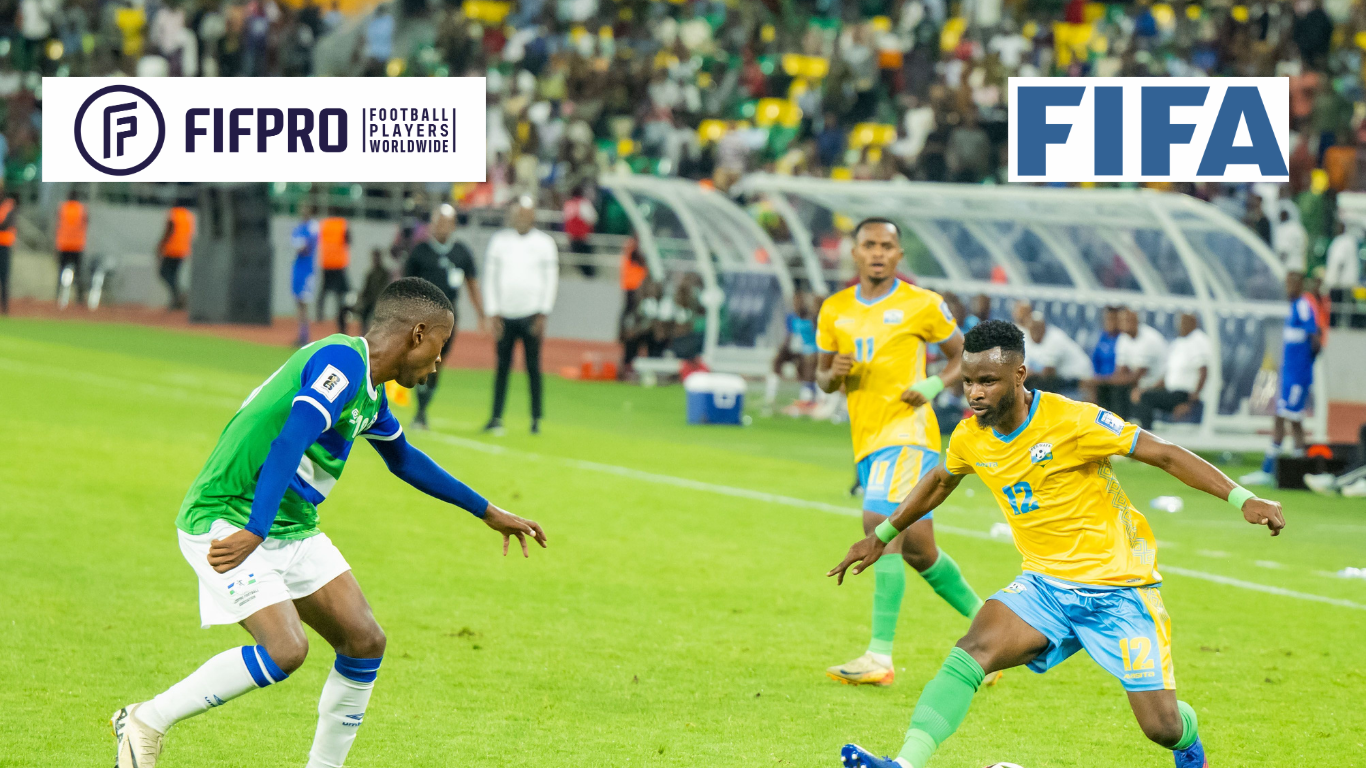
Image by Faustin Nkurunziza
A new governance pact hands players a seat at the table on transfers and prize money. For African football, the quieter wins may matter most.
On the eve of the 2026 World Cup, FIFA and the global players' union FIFPRO signed a Memorandum of Understanding that resets how professional football is governed - and, crucially, who gets a say over its economics. The deal runs through December 2031 and takes effect immediately. In exchange, FIFPRO and its member unions are withdrawing every legal claim against FIFA and agreeing to keep future disputes inside football's own regulatory system rather than the courts.
The headline mechanism is a Global Social Dialogue Platform, chaired by FIFA, that brings clubs, leagues and players to the same table. Its significance is structural: any future change to the Regulations on the Status and Transfer of Players - the rulebook governing the global transfer market - now requires collective agreement among those parties. The same applies to player welfare standards, including mandatory rest, recovery and holiday periods. Player workload, long a flashpoint as the calendar expands, becomes a negotiated matter rather than a unilateral one.
For African football, the operational detail outweighs the politics. The MoU commits USD 20 million to the FIFA Fund for Professional Players over 2026–2029 - a backstop for players unable to recover unpaid salaries, a problem that recurs across under-regulated leagues, including many on the continent. It pledges to strengthen domestic industrial relations: standard contracts, collective bargaining and national dispute-resolution chambers, the institutional plumbing that emerging football economies most often lack. This also commits to a global minimum-standards framework for women's national teams, a direct lever on the conditions African women's sides have publicly fought over.
There's also a prize-money line worth watching: the parties agreed to incentivise allocating a fairer share of senior FIFA competition prize money to the players themselves - a principle that will be tested at this summer's expanded World Cup and every payout after it.
Players also gain formal standing inside FIFA's machinery - seats on the Football Tribunal, judicial bodies and standing committees, plus, for the first time, an observer seat with speaking rights on the FIFA Council for player-related matters.
The framing from both sides is cooperation over confrontation. The substance is a redistribution of decision-making power over football's most valuable systems. Whether the continent's federations and leagues can convert these global commitments into enforceable domestic protections is the question that determines if this is a genuine shift or a headline.
