
U.S. Sanctions Force Rwanda’s APR Withdrawal from Basketball Africa League
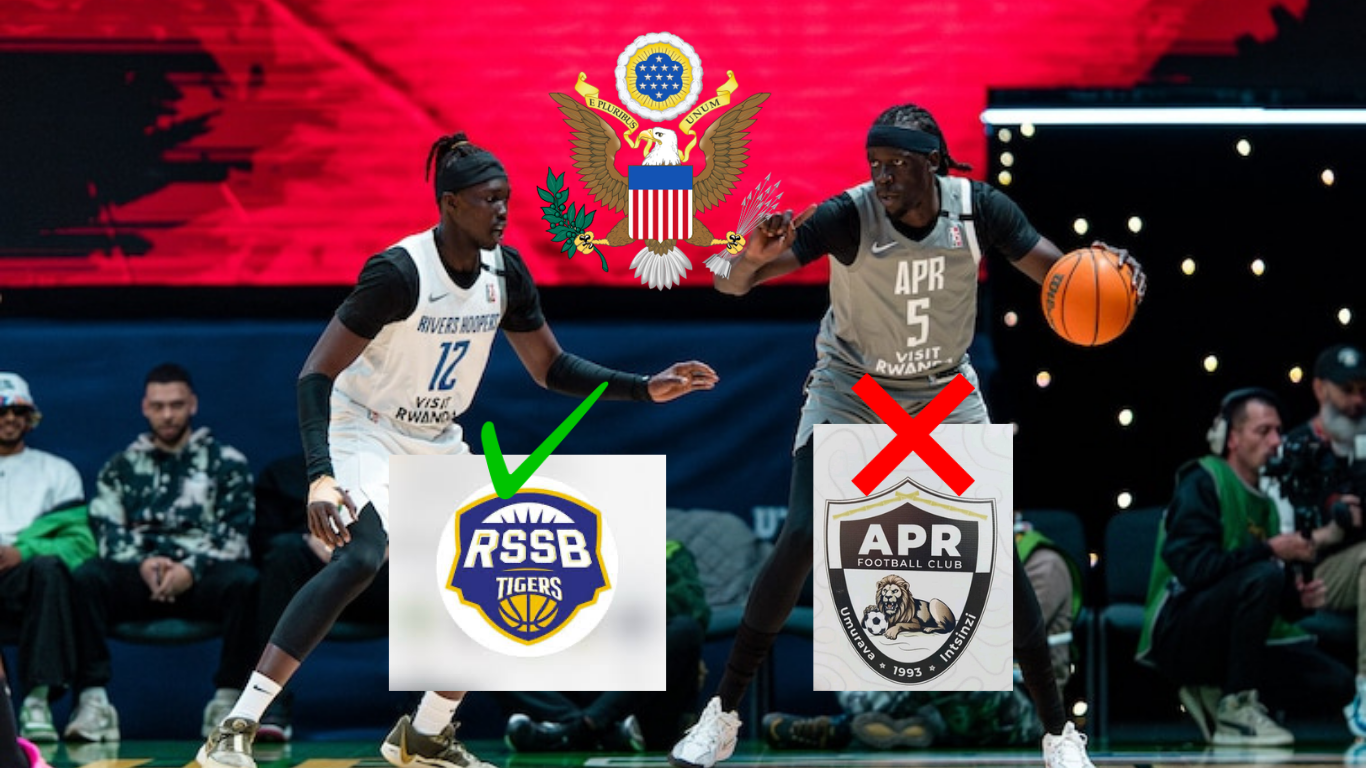
Photo: Basketball Africa League 2025
Rwanda's APR Basketball Club has withdrawn from the 2026 Basketball Africa League (BAL) season following U.S. sanctions targeting the Rwanda Defence Force (RDF), highlighting how geopolitical developments are increasingly intersecting with the business of sport.
The BAL confirmed that APR will no longer participate in the upcoming season, which tips off on March 27 in South Africa, with RSSB Tigers Basketball Club replacing APR at the Kalahari Conference group stage.
Sanctions Spill Into Sport
APR's exit stems from its direct affiliation with Rwanda's military, which was recently sanctioned by the U.S. Treasury over alleged involvement in regional conflict in eastern Democratic Republic of Congo.
Given that the BAL operates under the NBA - a U.S.-based organization - allowing a team linked to a sanctioned entity to compete could expose the league to compliance and financial risk.
This development underscores a critical dynamic: global sports leagues are increasingly subject to international regulatory frameworks, particularly when tied to U.S. financial systems and governance structures.
Implications for the BAL Ecosystem
APR has been one of Rwanda's flagship teams in the BAL since the league's launch in 2021, reflecting the country's broader investment in positioning itself as a regional sports and tourism hub.
Its removal represents one of the clearest examples to date of sanctions impacting professional sport on the continent - extending beyond government and defense into sponsorships, league operations, and cross-border partnerships.
For the BAL, the decision reinforces the importance of governance, compliance, and partner vetting as the league continues to scale commercially and internationally.
The incident highlights a growing reality for African sports ecosystems: as leagues become more globalized and commercially integrated, they are increasingly exposed to geopolitical risk.
From ownership structures to sponsorship alignment, stakeholders across the industry may face heightened scrutiny - particularly when linked to state institutions or politically exposed entities.
As investment flows into African sport continue to rise, this case indicates that regulatory alignment and risk management will become as critical as commercial growth.
