
ICIEC Wraps $65m of Uganda's $130m Akii-Bua Stadium Build
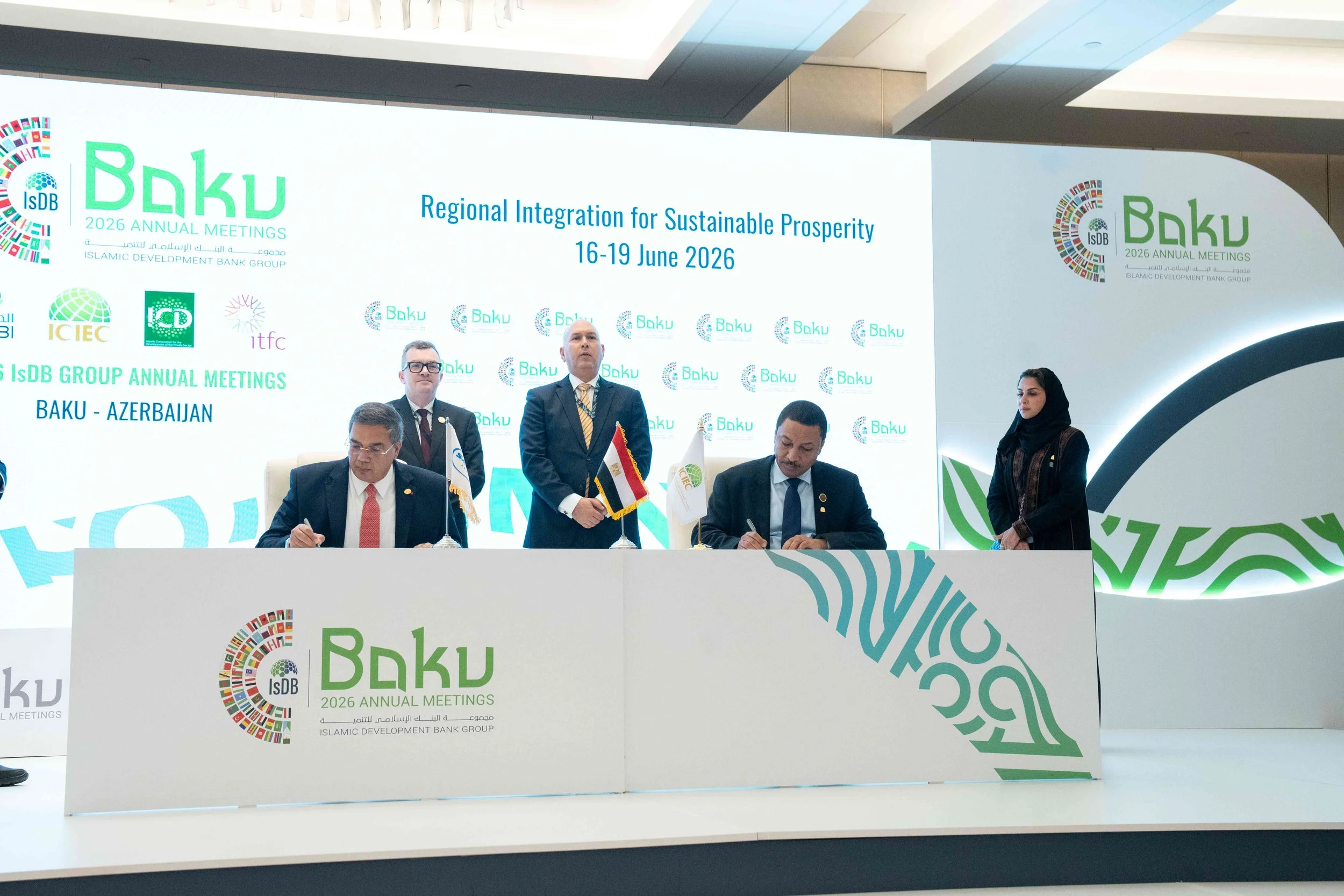
Image by ICIEC
A stadium named after Uganda's first Olympic champion is being built 340 kilometres from Kampala by an Egyptian contractor that will not be paid for years. The Islamic Corporation for the Insurance of Investment and Export Credit (ICIEC) has insured USD 65 million of the Akii-Bua Olympic Stadium project, covering 90% of the risk that Uganda's Ministry of Finance fails to honour its guarantee.
ICIEC, the Shariah-based credit and political risk insurer within the Islamic Development Bank Group, issued the cover under a Specific Transaction Policy to SAMCO National Construction Company of Egypt against a supplier credit facility. Total contract value runs to approximately USD 130 million. The deal was signed on the sidelines of the IsDB Group 2026 Annual Meetings in Baku, Azerbaijan, between 16 and 19 June.
The venue sits in Lira City in the north, and Uganda is framing it as capacity-building for regional and international events alongside youth athletics and community participation. ICIEC points to construction employment and demand for local materials in the near term, and to events, tourism and urban development around Lira over a longer horizon.
"This project demonstrates how well-structured risk mitigation can help deliver social infrastructure with lasting development value. By supporting the Akii-Bua Olympic Stadium, ICIEC is contributing to a project that will serve communities, empower young people, and create new opportunities for economic activity in Northern Uganda," said
Dr. Khalid Khalafalla, Chief Executive Officer of ICIEC.
Almost every large venue built on the continent in the past decade has been justified by football - CAF competition requirements, World Cup bids, club fixtures. Athletics infrastructure rarely clears a finance committee, because the revenue case is thin and the events are infrequent. The venue being named John Akii-Bua, who won the 400m hurdles at Munich in 1972 and remains Uganda's most recognisable Olympian, is how a project like this gets political cover.
Lira is not Kampala, and putting USD 130 million of sports infrastructure in the north is a fiscal transfer as much as a sporting one. Regional venues in African markets have a poor record of sweating their assets after the ribbon-cutting - the events are hosted in the capital, the local federation cannot fill the seats, and maintenance falls off within five years. Whether Lira avoids that depends on a programming pipeline nobody has announced yet.
What the ICIEC cover buys is time. Uganda commits to the venue now and pays SAMCO over a repayment schedule, with the insurer absorbing the sovereign risk that would otherwise price the deal out of reach. That is a legitimate use of multilateral capacity, and it is also how governments accumulate obligations that surface in a budget nobody is looking at yet. The 10% SAMCO retains is the market's honest view of Kampala's credit.
