
$10,000 for Every Olympian: Inside the IOC's $140M "Fit for the Future" Grant and Why Africa's Real Test Comes at LA 2028
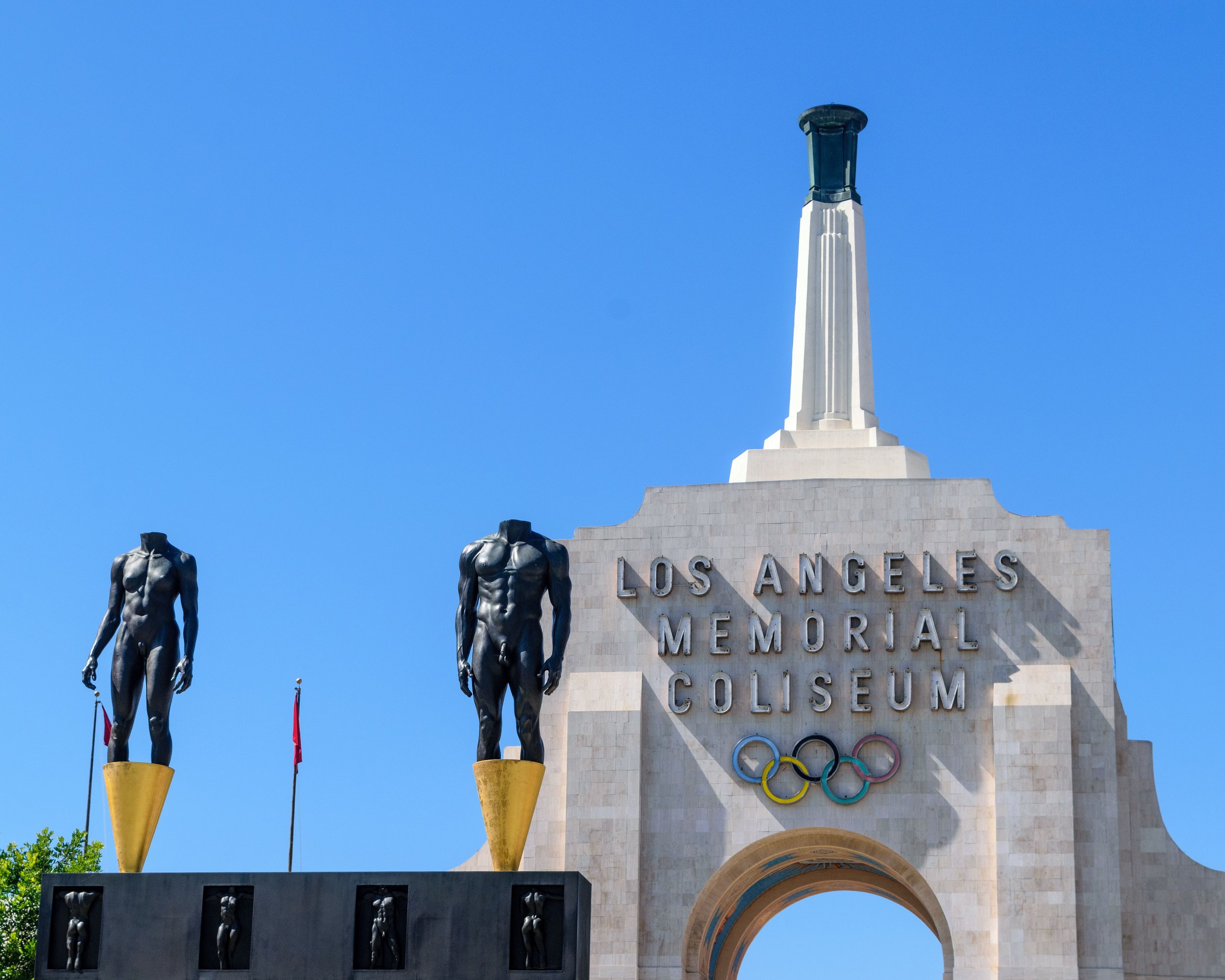
Los Angeles Memorial Coliseum, California, USA / Image by Thomas Parker
The International Olympic Committee will pay every athlete who competes at the Games a one-time USD 10,000 grant. For African Olympians, long underserved by federation funding and almost entirely without post-career safety nets - the money could matter more than it does anywhere else. But the first cheques go to a Winter Games where Africa is barely on the field.
The IOC has put a price on the Olympic journey, and it is the same for everyone:USD 10,000.
Announced last week at the 146th IOC Session in Lausanne, the new Fit for the Future Olympian Grant will make every athlete who competes at the Games eligible for a one-time payment of USD 10,000, regardless of result, sport, or nationality. The IOC has ring-fenced USD 140 million per Olympiad to fund it, with roughly 14,000 Olympians expected to qualify each cycle. Athletes who competed at Milano Cortina 2026 will be the first in line.
The grant will be delivered through existing National Olympic Committee (NOC) structures - which means the journey from a USD 140 million fund in Switzerland to an athlete's bank account runs straight through the institutions.
What was actually announced
IOC Athletes' Commission Chair Pau Gasol framed the grant as recognition rather than reward - money for the years of sacrifice it takes to reach the Games, not prize money for placing. New IOC President Kirsty Coventry, herself an Olympic champion, called it a commitment that had been debated for years and was finally being delivered.
The structure, stripped to its business essentials:
USD 10,000 per Olympian, per Games competed. Compete twice, qualify twice.
USD 140 million committed per Olympiad, sitting alongside - not replacing - existing IOC funding to NOCs, International Federations, organising committees, and Olympic Solidarity.
Eligibility is broad but conditional. Open to all accredited Olympic athletes from Milano Cortina 2026 onward. Youth Olympic Games participants are excluded. Anyone with an anti-doping violation or a breach of the IOC's ethics and participation rules is out.
Unclaimed money stays in the pot. If an Olympian does not apply, their allocation rolls forward to benefit future athletes.
Timeline: applications are expected to open for Milano Cortina 2026 athletes at the end of 2026, with first payments landing in 2027.
Why $10,000 is not $10,000 everywhere
The IOC has built a flat grant for an unequal world, and that is precisely where the African story lives.
For an athlete from a well-funded program, USD 10,000 is a meaningful but marginal gesture - a contribution toward a career most of them are already paid to pursue. For a middle-distance runner from a federation that cannot reliably cover flights to a qualifying meet, the same USD 10,000 can be transformational: it is a training block, a coach, a season of rent, or the seed capital for whatever comes after sport. The grant's real purchasing power, and its real impact on a career, is highest exactly where Olympic support has historically been thinnest.
That is the underreported equity story. A flat global number quietly redistributes value toward the athletes who have the least, because the same dollar does more in Lagos, Nairobi, or Kampala than it does in a high-performance system that already provides stipends, sponsorship, and a soft landing.
The catch: the money runs through the NOCs
A grant is only as good as its delivery mechanism, and the IOC has chosen to route this one through National Olympic Committees. In well-governed systems, that is efficient. In systems where NOCs have faced questions over administration, transparency, or capacity - a list that includes more than a few African committees - it introduces real risk between the announcement and the athlete.
Two failure modes are worth watching:
Information loss. The opt-out design means an Olympian who never hears about the grant, or cannot navigate the application, simply forfeits their allocation back into the fund. In markets with weak athlete-communication infrastructure, "didn't apply" and "didn't know" become the same outcome - and the money flows away from the athletes the policy is meant to reach most.
Leakage. Money that passes through an institution can be slowed, conditioned, or diverted by that institution. The IOC's challenge is not committing the USD 140 million; it is ensuring the full USD 10,000 reaches the named athlete, on time, with no informal deductions along the way.
The IOC says it will now build the application and delivery system. BOSA's view: the design of that system - direct-to-athlete verification, transparent tracking, and a communication push that actually reaches Olympians in lower-resourced federations - will determine whether this is a genuine win for African athletes or another well-funded promise that thins out on the last mile.
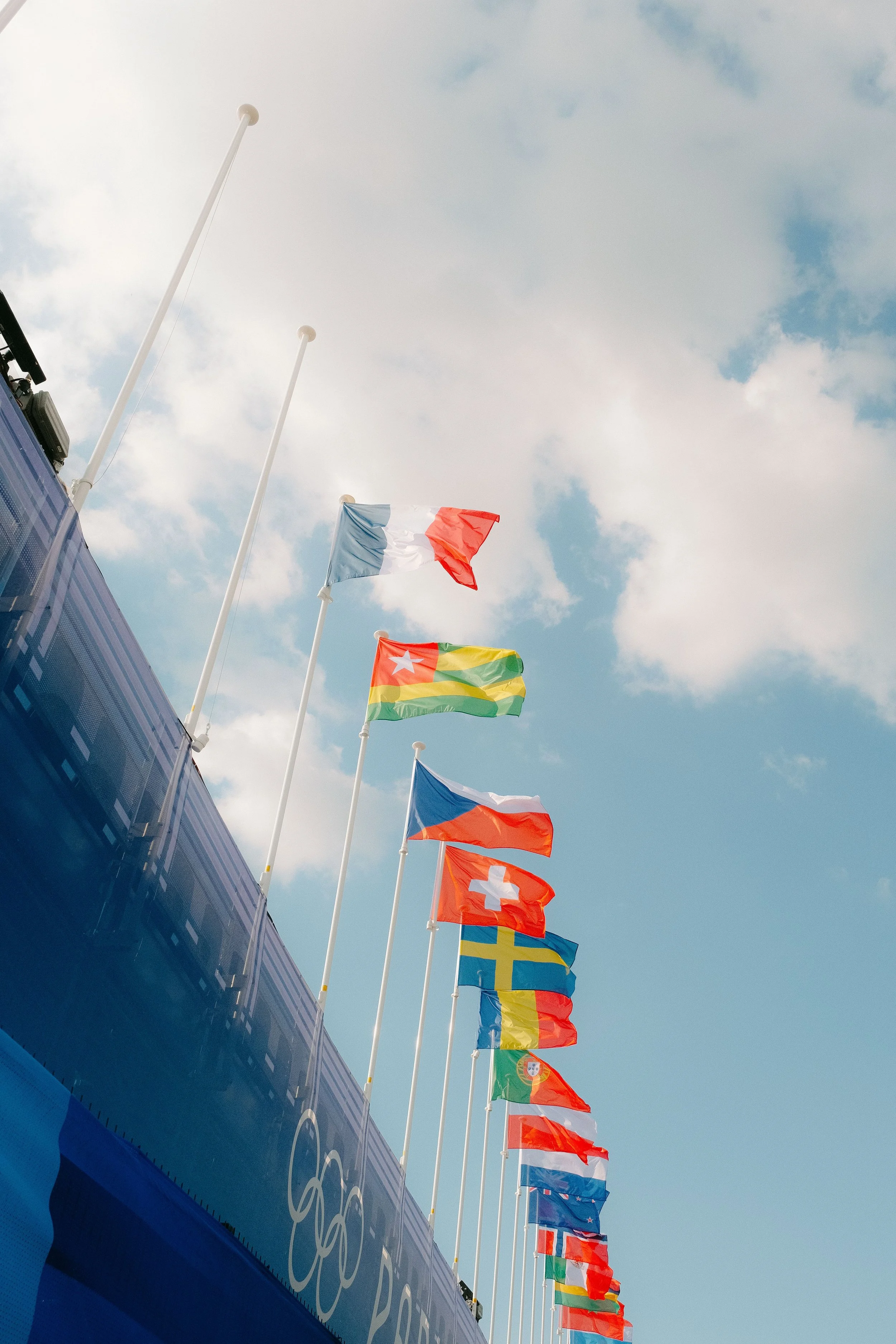
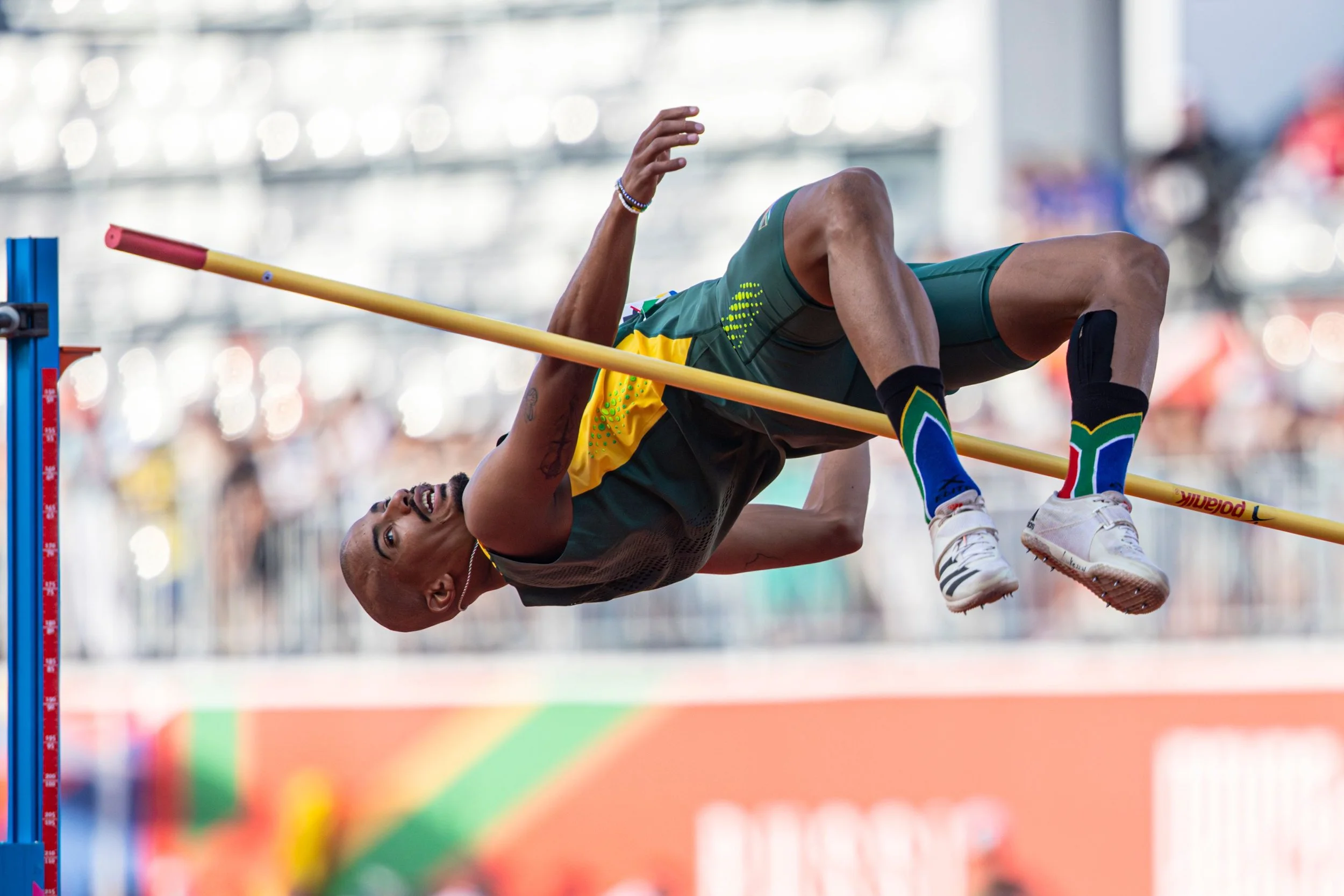
Images by Mathias Reding and Celio Junior
Why Africa's real test is LA 2028, not Milano Cortina 2026
There is a timing twist that reframes the whole story for this continent.
Milano Cortina 2026 is a Winter Games. Africa's footprint at the Winter Olympics is minimal - only a handful of nations send athletes, often a single competitor in skiing or skeleton. So while the first cheques will be written in 2027, almost none of them will go to African Olympians. For this continent, the Fit for the Future Grant is essentially a 2028 story.
That makes LA 2028 the moment to watch. A typical Summer Games draws strong, broad African participation across athletics, boxing, wrestling, swimming, and team sports - meaning thousands of African Olympians could become eligible for USD 10,000 each. Run the math across a continent and the grant becomes one of the larger coordinated cash injections into African Olympic sport in recent memory.
The two years between now and Los Angeles are not dead time. They are the window in which African NOCs either build the systems to deliver this money cleanly - or don't.
The bottom line
The IOC has done the easy part: it committed the money and made the policy admirably universal. Every Olympian. Not just medal winners. For a continent whose athletes routinely make the podium while their federations struggle to make payroll, that universality is the point.
The USD 10,000 only becomes a lifeline if it survives the trip through the NOC. Between now and LA 2028, that journey - not the announcement in Lausanne - is the story worth tracking.
