
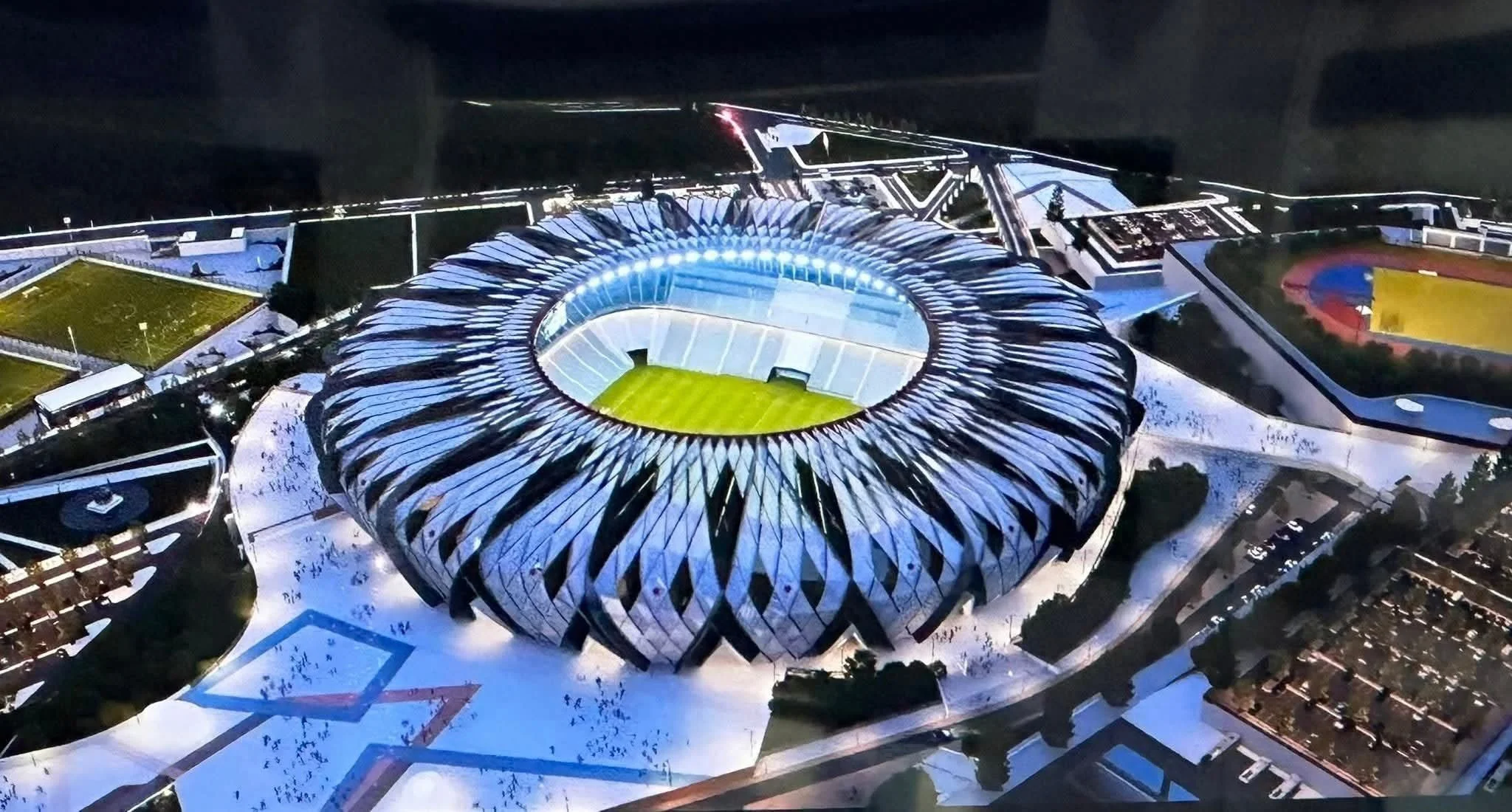
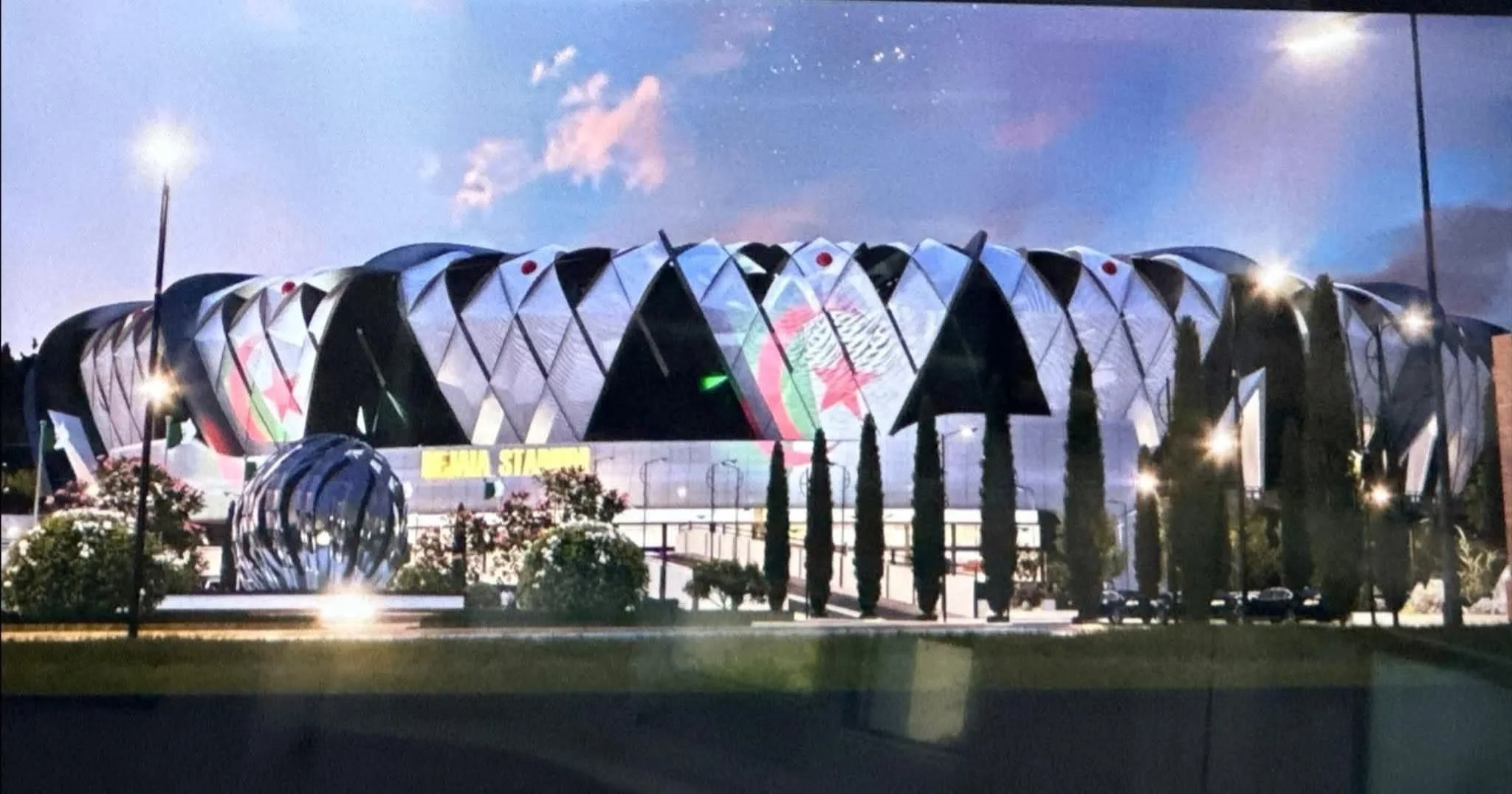
Image by Algeria Project
Algeria is advancing its national sports infrastructure strategy with plans to develop a new 30,000-seat stadium in El Kseur, located in the Béjaïa province. Algeria has been pushing to upgrade its sporting facilities, as the country positions itself for future hosting opportunities, including potential bids for the Africa Cup of Nations. The bar for hosting AFCON has increasingly become competitive, with nations across the continent ramping up infrastructure investment. Angola has recently opened a new 10,000-seat stadium as its own hosting ambitions accelerate - pointing to a growing field of contenders across the continent.
The proposed venue will be built to international standards, reinforcing Algeria's ongoing commitment to stadium development and modernization. Plans for the project were formally reviewed during a provincial meeting led by local authorities, where technical studies and delivery priorities were outlined.
The stadium will add capacity within the region's sports ecosystem, complementing the recently inaugurated Hocine Aït Ahmed Stadium, which opened in July 2024. Together, these assets reflect a coordinated effort to elevate infrastructure quality and expand matchday capacity and experience.
From an operational perspective, the new development is expected to address existing capacity constraints. The Unité Maghrébine Stadium, which currently hosts multiple clubs including JSM Béjaïa, MO Béjaïa, and Olympique Akbou, has faced increasing pressure and no longer meets modern matchday and commercial standards.
The project will focus on supporting infrastructure, including improved accessibility, parking, and wider site connectivity - key components for driving fan experience, event hosting, and long-term asset utilization.
North African markets continue to invest in large-scale sports infrastructure, Algeria's approach highlights emphasis on venue readiness as both a sporting priority and an economic driver for the country.
