
Ethiopia Bids for AFCON 2028, Hoping to Host for the First Time in 50 Years
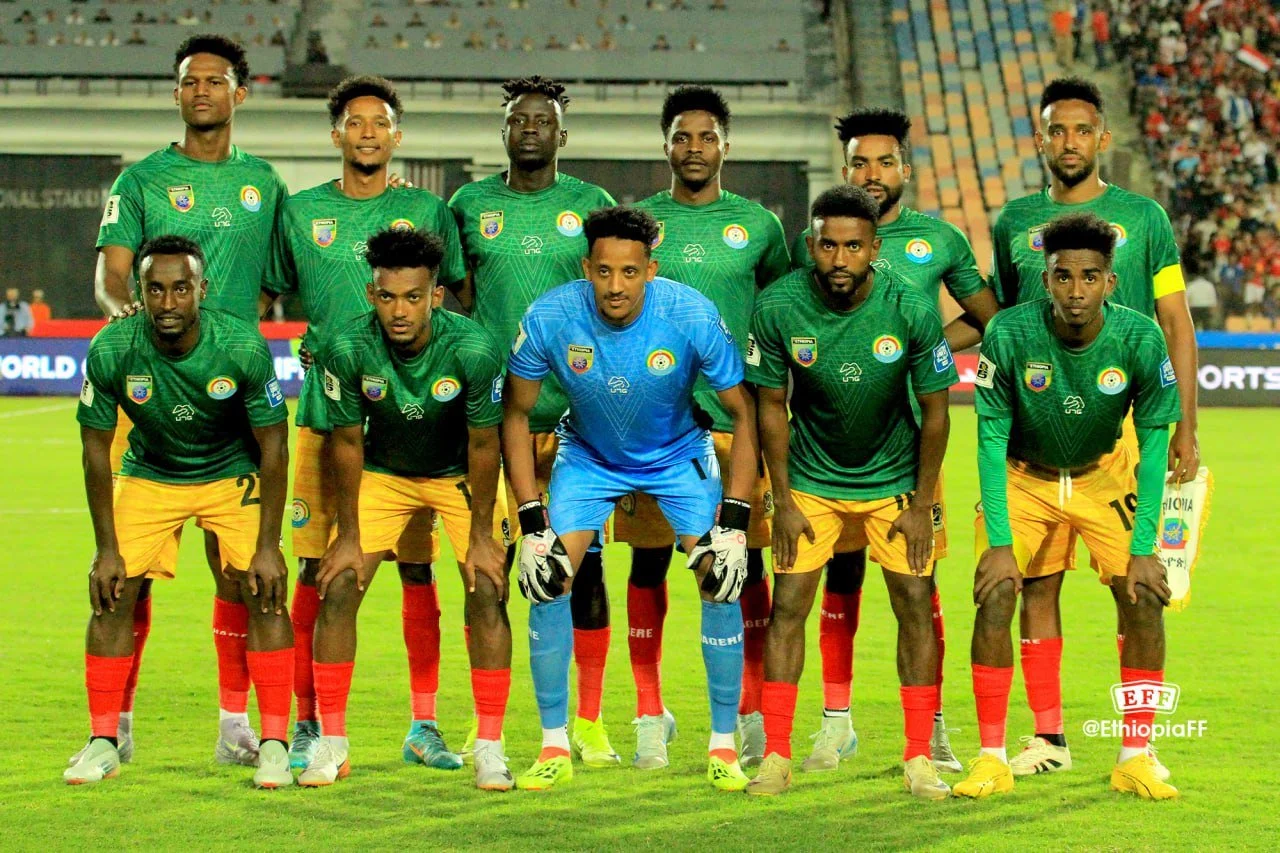
Image by Ethiopian Football Federations (EFF)
Ethiopia has filed a government-backed bid to host the 2028 Africa Cup of Nations, asking Caf to hand its biggest continental property to a football federation that currently owns exactly one Caf-approved stadium.
The Ethiopian Football Federation submitted the proposal this week, describing it as evidence of "the nation's full readiness to host Africa's biggest footballing event." That confidence sits uneasily alongside the numbers: Ethiopia last hosted the tournament in 1976, ranks 143rd in the world and 43rd in Africa, and has qualified for Afcon only three times in the fifty years since. Its last appearance, in 2021, ended without a win in a group against Cameroon, Burkina Faso and Cape Verde.
One CAF Venue
The bid rests on one finished venue, Bahir Dar Stadium (52,000 seats), plus a 62,000-capacity Adey Abeba International Stadium under construction in Addis Ababa and due next year, and three further stadiums still in early planning. Ethiopia's own World Cup qualifying campaign this year is a live illustration of the gap that leaves: it played home fixtures at neutral venues in Morocco and Rwanda, only managing to host on Ethiopian soil in Dire Dawa.
It is also not bidding into a quiet field, with Afcon shifting to a four-year cycle after 2028. Botswana, Namibia, South Africa and Zimbabwe have already lodged a joint Southern African bid with far more compliant stadium capacity already built. Burkina Faso, Mali and Niger, three states under military rule, have put themselves forward for 2032. Morocco, which staged the 2025 finals, is sitting this round out to focus on its 2030 World Cup co-hosting commitments.
A $12.5 billion Airport Being Built
Ethiopia's case is less about what it has than what it is already building. Addis Ababa is roughly thirty miles from the site of Bishoftu International Airport, a $12.5 billion project led by state carrier Ethiopian Airlines that broke ground in January and is due to open its first phase in 2030 with capacity for 60 million passengers, a scale that would rank it among the world's busiest. Ethiopian Airlines has committed to funding 30% of that cost itself, with the remaining $8 billion still being raised through talks with the US, China and Italy. It is the kind of state-backed megaproject that shows Addis Ababa can mobilise capital and contractors at pace, and Caf will read the stadium bid partly through that lens. Football infrastructure has simply not had the same priority until now.
Whether that translates into finished stadiums by 2028 is still the open question. Caf's own credibility took a hit when Cameroon's late scramble to ready venues cost it the 2019 hosting rights entirely, and Ethiopia is starting from a far thinner base than Cameroon was. Caf's decision to extend the hosting calendar out to 2032 and 2036 gives it room to bank Ethiopian ambition for a later edition rather than gamble it on 2028. That is the real choice in front of Caf: reward a federation building infrastructure at genuine speed, or wait until the stadiums, not just the airport, are actually built.
