
Liaison Group and Momentum Launch Athlete Welfare Platform in Kenya
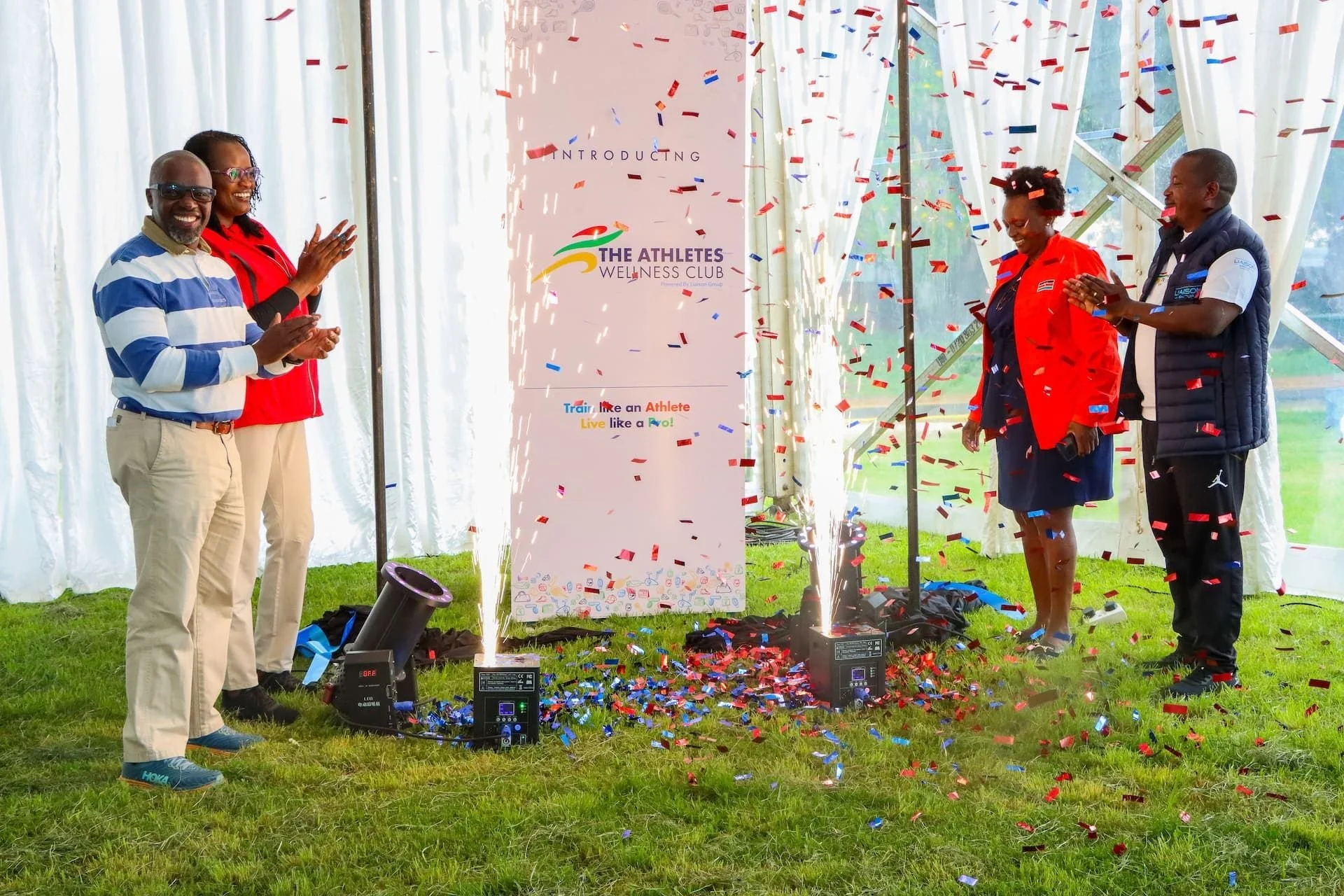
Image by Liaison Group
Liaison Group and Momentum Sports Africa have launched the Athlete Wellness Club, a platform designed to address gaps in healthcare access, financial planning, and long-term security for athletes in Kenya.
The initiative brings together federations, athletes, and private-sector stakeholders, marking a shift toward more structured, lifecycle-based support systems in the country's sports ecosystem.
Despite Kenya's global success in athletics, post-career outcomes for athletes remain uneven. Industry estimates suggest a significant proportion of professional athletes face financial distress within a few years of retirement, often driven by limited access to healthcare and structured financial planning.
"Up to 60% of professional athletes globally face financial difficulties within a few years of retirement," said Tom Mulwa, Group Managing Director at Liaison Group. "For many, a single injury can disrupt income and access to care, highlighting the short and fragile nature of sporting careers."
The Athlete Wellness Club aims to provide integrated services spanning healthcare coverage, financial literacy, and long-term wealth planning. The platform will offer tailored advisory services and investment pathways designed specifically for athletes and their families.
Kenya's Principal Secretary for Sports, Elijah Mwangi, said the initiative reflects the growing role of public-private collaboration in strengthening athlete welfare systems.
"Athlete welfare is central to building a sustainable and professional sports sector," Mwangi said. "Partnerships like this ensure athletes are supported not only in competition, but in securing their futures."
Momentum Sports Africa CEO Bernice Macharia said the platform is designed around the realities athletes face on and off the field.
"Talent alone is not enough. Athletes need structure, guidance, and long-term support systems," she said.
The launch is part of a wider movement in African sports toward institutionalized athlete support, as private capital and advisory services increasingly fill gaps traditionally left to federations.
