
Kenya Pays $30 Million AFCON Fee, Securing 2027 Co-Hosting Rights
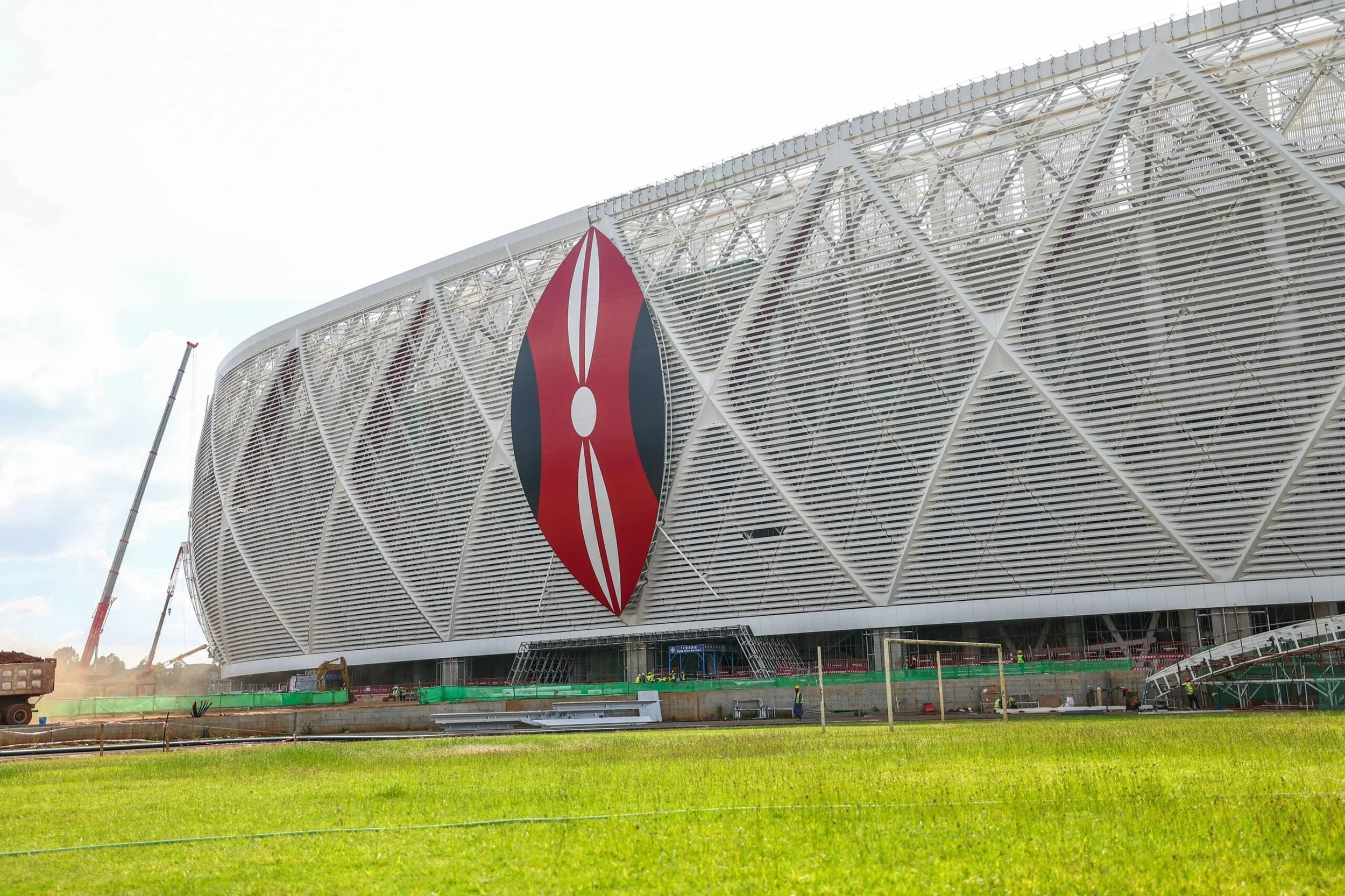
Image by Signs TV
Kenya has secured its role as co-host of the 2027 Africa Cup of Nations after paying the $30 million fee required by the Confederation of African Football, clearing a key condition tied to the tournament.
The payment, equivalent to KSh 3.9 billion, was confirmed by the Sports Ministry on 31 March, resolving weeks of uncertainty over Kenya’s participation in the tri-nation “Pamoja” (meaning 'together' in Swahili)bid alongside Uganda and Tanzania. Kenya had been the last of the three countries to settle the fee ahead of a late-March deadline. Sports Cabinet Secretary Salim Mvurya said the government has now met all financial and institutional requirements set by CAF.
“Kenya has fully met its financial and institutional obligations to CAF,” Mvurya said.
This locks in the first Africa Cup of Nations to be staged across three countries, with all co-hosts now meeting CAF’s financial thresholds. Attention now shifts to delivery, where infrastructure remains the main constraint. CAF inspection reports indicate several venues are yet to meet required standards, while Talanta Stadium, expected to anchor Kenya’s hosting plans, is still under construction.
Authorities are moving into an accelerated implementation phase, focusing on stadium upgrades, training facilities and transport networks to meet tournament timelines. The government has also restructured the Local Organising Committee to strengthen execution, incorporating public and private sector representation. Leadership changes within the body have not been formally confirmed.
Kenya, Uganda and Tanzania are expected to meet in the coming weeks to align cross-border logistics, including visa frameworks and customs procedures for teams, officials and fans. The tournament is being positioned as both a sporting event and an economic lever, with governments targeting gains across tourism, employment and infrastructure investment.
With the financial requirement met, execution risk now centers on delivery timelines - a key determinant of the tournament’s outcome.
