Who Owns the World Cup in Africa? The Broadcast Deals Behind the Tournament
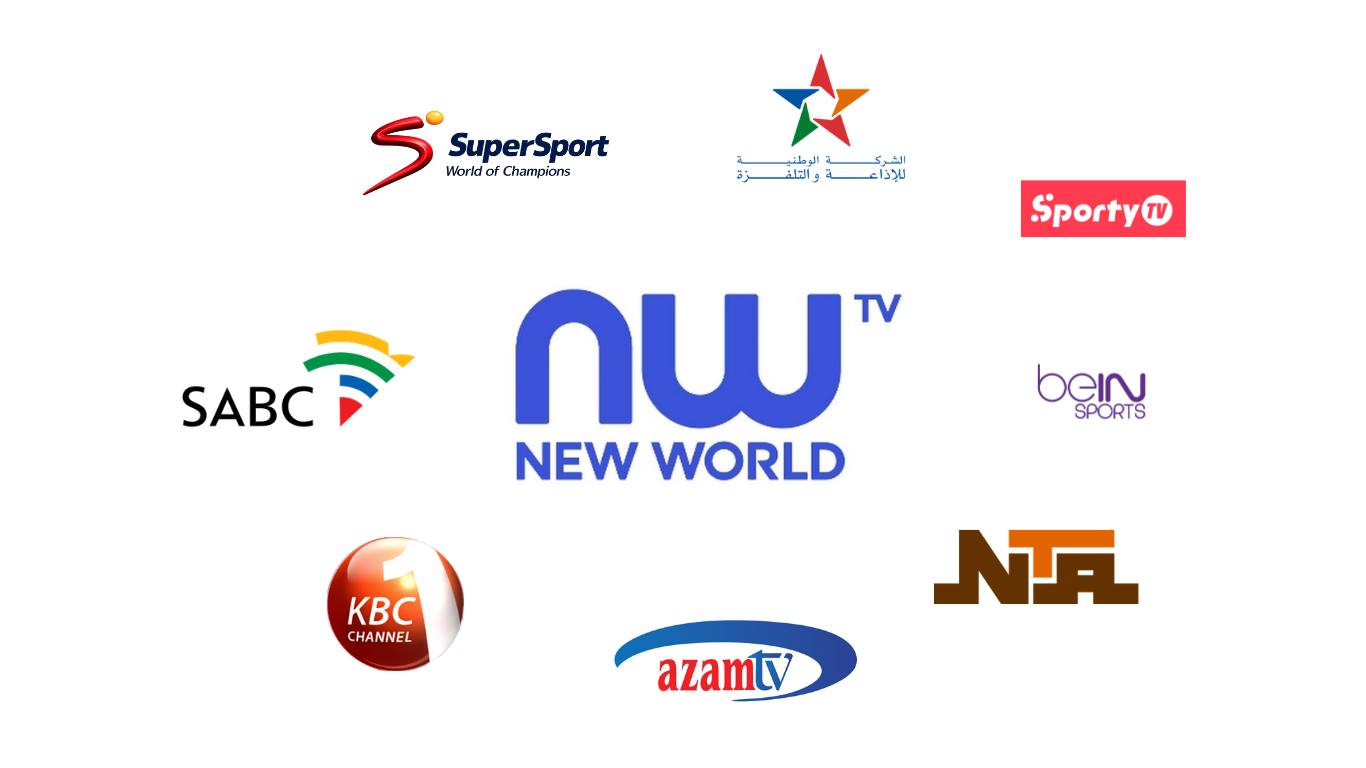
Update - June 11, 2026: SportyTV has secured free-to-air rights to 34 matches - including the opening match and the final - across Nigeria, Ghana and Kenya, announced as the tournament kicked off. The deal changes the picture in all three markets: Nigeria now has substantial free-to-air tournament coverage beyond NTA's select package, Kenya gains a commercial free-to-air route alongside KBC, and in Ghana, SportyTV joins the GBC-led consortium behind the government's rights acquisition. Full Story: SportyTV Secures Free-to-Air World Cup Rights Across Nigeria, Ghana and Kenya
For the first time in four World Cup cycles, sub-Saharan Africa's World Cup rights aren't anchored by SuperSport. As a record 10 African teams take the field in North America, the tournament arrives on screens across the continent through the most fragmented - and most African-owned - rights landscape the World Cup has ever had. Here's the full map.
Sub-Saharan Africa: New World TV takes the anchor seat
The primary rights holder for Sub-Saharan Africa is New World TV, the Togo-based broadcaster, whose deal with FIFA covers TV and digital platforms across the region for both this tournament and the 2027 Women's World Cup, spanning 43 territories including Nigeria, Angola and Cameroon.
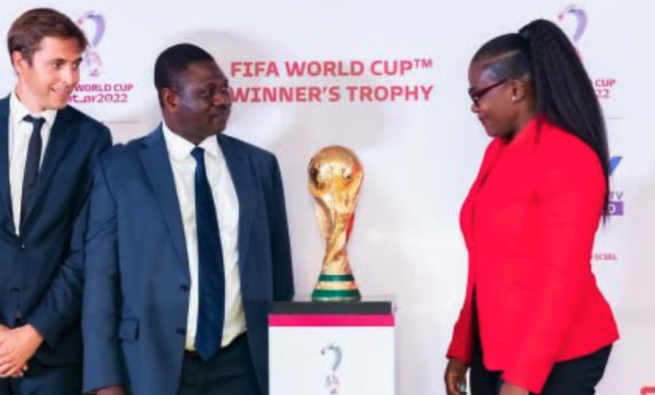
Nimonka Kolani, the CEO of New World TV | Sep 2021 via The Africa Report
The significance is hard to overstate. New World TV took over the primary regional rights from SuperSport - which is now sub-licensing coverage from New World TV. The long-time anchor of African sports broadcasting is, for this World Cup, a sub-licensee of a Togolese company. The shift didn't come from nowhere - New World TV held the French-language rights at Qatar 2022, with SuperSport holding the English-language package, before outflanking the incumbent for the full regional deal this cycle.
SuperSport will carry all 104 matches on DStv and GOtv, available from its entry-level Access package - the first time DStv has placed a marquee global tournament in its lowest tier, and is broadcasting in seven African languages across 26 sub-Saharan markets.
In Nigeria - the continent's biggest football market, watching from home after missing qualification - SuperSport carries all 104 matches on DStv and GOtv, while a sub-license puts a select package of matches free-to-air on Nigerian Television Authority (NTA), including marquee fixtures. Full coverage sits behind the paywall - though SportyTV's late free-to-air deal (see update above) now puts 34 matches, including the opening match and the final, in front of Nigerian viewers for free.
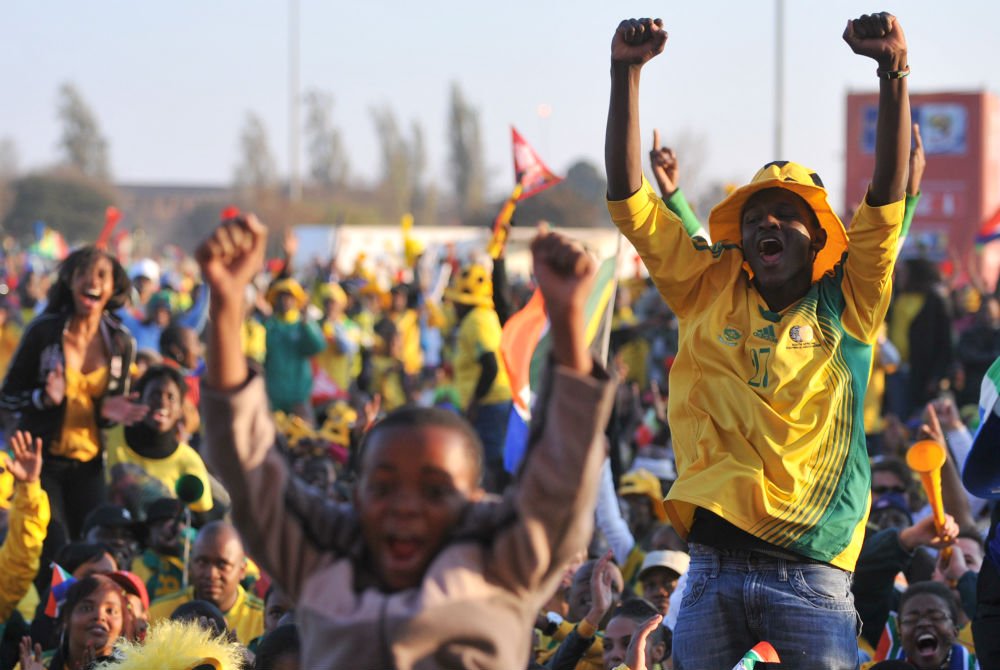
Image by Marcello Casal Jr//ABr) via Africa Center
East Africa: Azam buys a block
Tanzania-based pay-TV broadcaster AzamTV secured rights across eight East African markets - Tanzania, Kenya, Uganda, Malawi, Zambia, Botswana, Zimbabwe and Rwanda, and will air all 104 matches live with expert analysis programming throughout the tournament.
South Africa: the most layered market on the continent
South Africa, whose Bafana Bafana open the tournament against co-hosts Mexico, has three routes to the same matches. SABC carries all matches free-to-air across SABC 1, SABC 3, SABC Sport and the SABC Plus app - sub-licensed from New World TV, while SportyTV streams all 104 matches with a SportyBet account, putting a betting-funded streamer directly alongside the public broadcaster and pay-TV.
Where governments stepped in
Two of the most telling deals of this cycle involve states, not broadcasters. Ghana's government acquired broadcast rights for the tournament, funded in part by a GHS 5 million (~$443,000) donation from GCB Bank. In Kenya, state broadcaster KBC secured rights after reports of financial difficulty raised fears that Kenyan viewers would be locked behind subscription services - a reminder that free-to-air World Cup access remains a politically sensitive public good across the continent.
North Africa: beIN's fortress holds
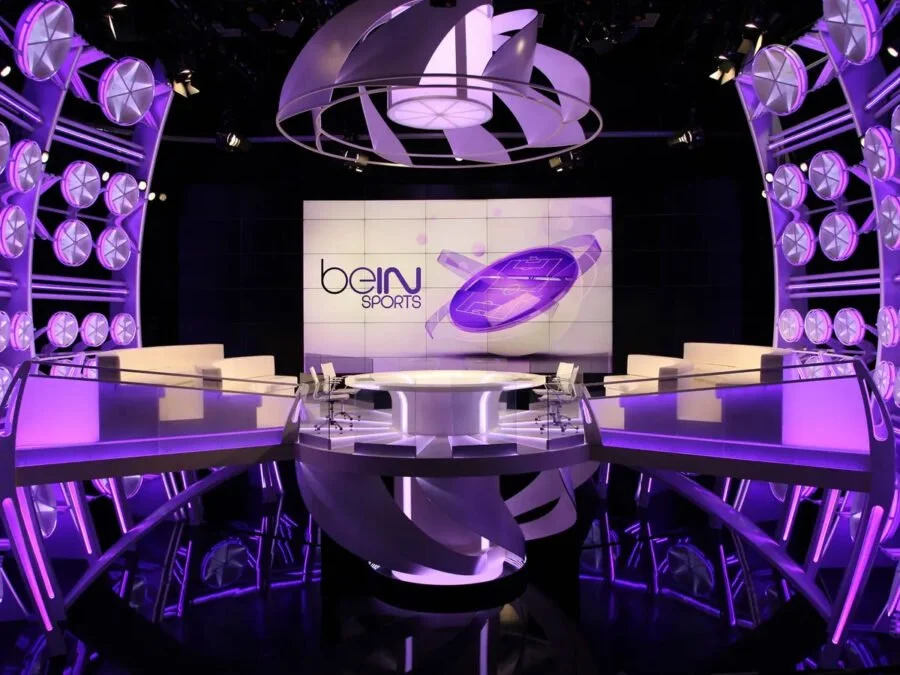
Image by Broadcast Band
While the sub-Saharan market fragmented, North Africa stayed consolidated. beIN Sports holds exclusive rights across 24 MENA countries, carrying all 104 matches on six dedicated channels with Arabic, English and French programming - a position it has held as the exclusive home of the World Cup in MENA since 2014. The notable crack in the paywall: Morocco's public broadcaster SNRT negotiated an agreement with beIN to carry all Atlas Lions matches free-to-air on national television.
Three takeaways for the business of sports in Africa:
The one-buyer era is over. A market once defined by SuperSport's continental dominance now has a Togolese primary rights holder, a Tanzanian regional buyer, betting-backed streamers, and governments acquiring rights directly. That's more competition for premium rights than African sport has ever seen - and a new data point for every rights negotiation that follows, from AFCON to domestic leagues.
Betting money is becoming African sports broadcasting's quiet financier. Hollywoodbets sponsoring SABC's coverage and SportyBet powering SportyTV's stream are the same trend wearing two outfits. SportyTV taking 34 matches free-to-air across three markets is the clearest example yet of betting-funded distribution underwriting public access.
The free-to-air question is now a political one. Ghana and Kenya's state interventions - and Morocco's SNRT carve-out - show that in markets where the World Cup is a public good, governments will pay to keep it off the paywall. Whether that's sustainable policy or an expensive precedent is a debate that will outlast this tournament.
How these deals pay off over the next six weeks will shape rights values across African sport long after the final whistle in New Jersey.
Business Of Sports Africa's World Cup Prize Money Tracker is live and updating daily through the final → World Cup Prize Money Tracker