Nairobi Marathon sponsorship hits record KES 273 million as partner contributions grow 39%
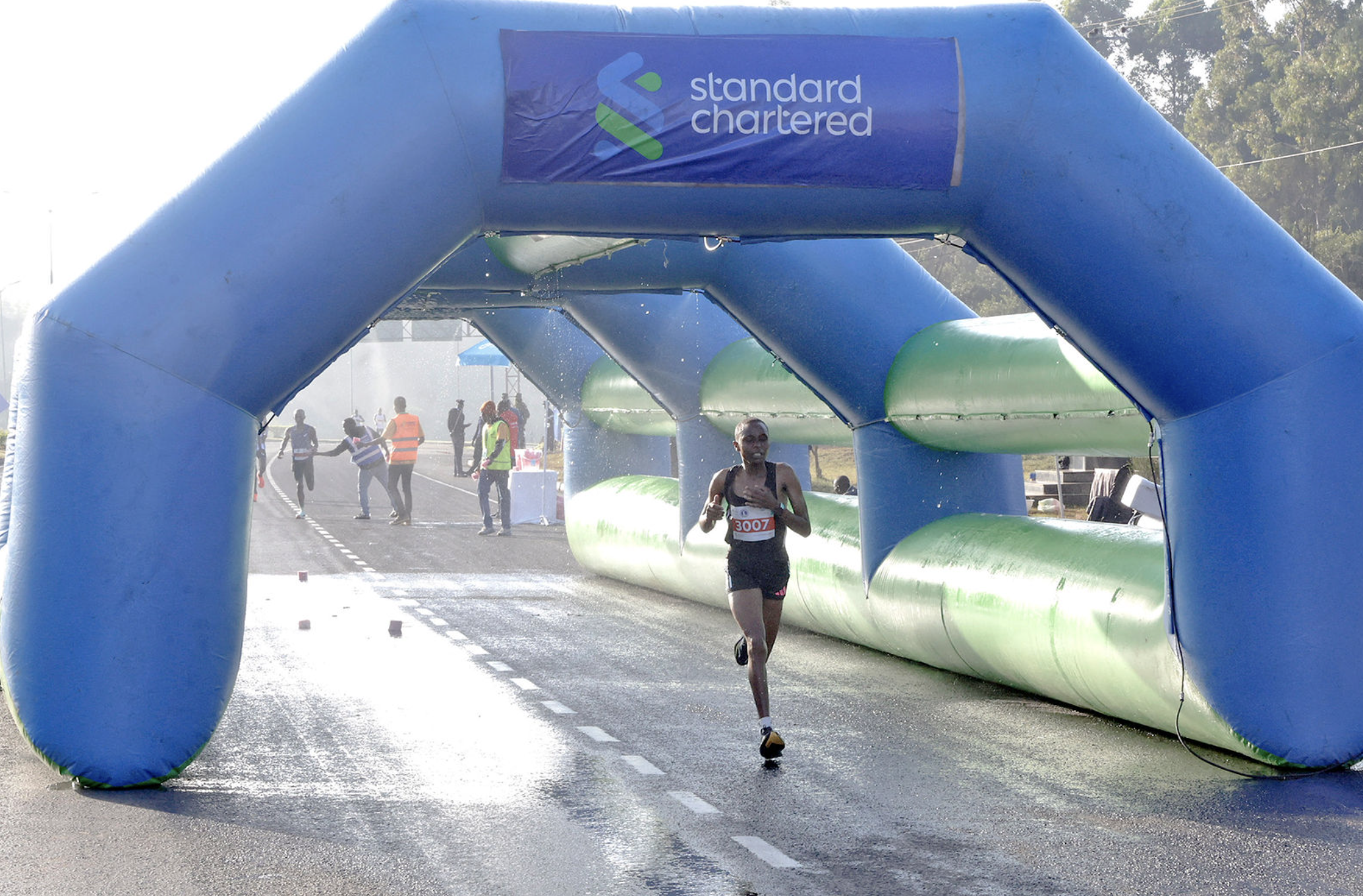
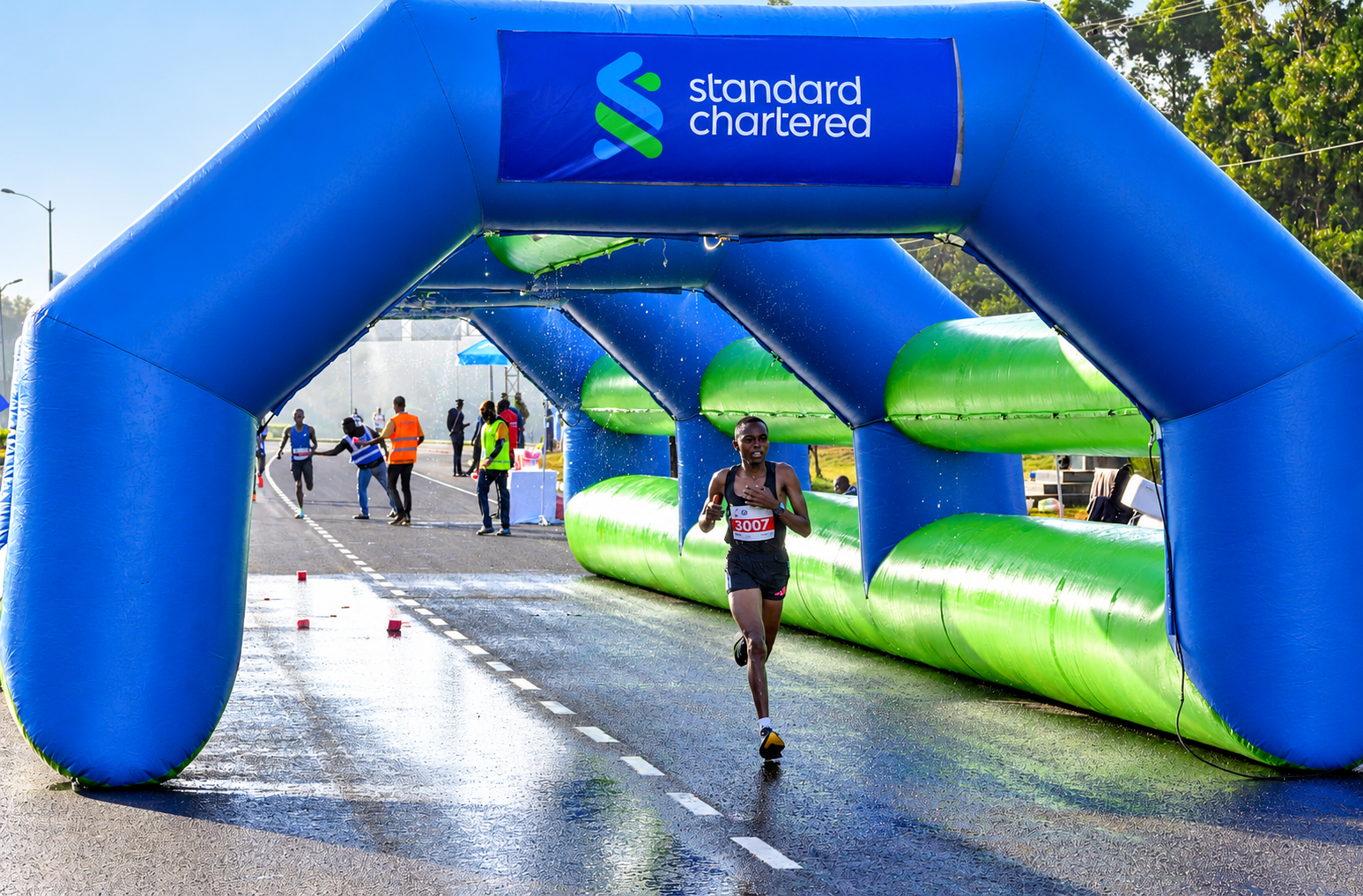
Image courtesy Standard Chartered Nairobi City Marathon
The Standard Chartered Nairobi Marathon has secured a record KES 273 million (approximately US$2.1 million) in combined sponsorship and partner support for its 23rd edition, with the increase driven entirely by partners other than the title sponsor. Standard Chartered has maintained its KES 130 million (approximately US$1.0 million) commitment from 2025, while other partners have increased their combined contribution to KES 143 million (about US$1.1 million), comprising cash and in-kind support. Partners now account for 52% of the marathon’s reported sponsorship value, compared with 48% from Standard Chartered. The total is 17% higher than the KES 233 million recorded in 2025 and 58% above the KES 173 million recorded in 2024. The number of sponsors has also risen from 43 to 56, a 30% increase in one year.
The growth is notable given the scale of the event. More than 30,000 runners from 102 nationalities are expected to take part in the October 25 race, alongside more than 200 elite athletes. The programme includes the 42 km marathon, 21 km half marathon, 10 km race, 21 km wheelchair race, 5 km Family Fun Run, CEO Challenge and Corporate Challenge.
Partners are buying into specific parts of the runner experience
The sponsorship roster shows how the marathon has built a commercial model around individual elements of the event, moving beyond conventional brand exposure. According to Business Daily, Tetra Pak is the largest disclosed partner, contributing KES 13 million (about US$100,000) as hydration sponsor. KWAL has committed KES 10 million (about US$77,000) for the 21 km Half Marathon rights, while Healthy U has contributed KES 9.8 million for GU gels and ORS KES 8.6 million as electrolyte sponsor.
Little Limited has committed KES 7.8 million for accreditation, followed by Rohto at KES 5.8 million for relief stations. Blue Band, Unicaf and Nike have each contributed KES 5 million, with Blue Band supporting a mist station, Unicaf taking on the sustainability role and Nike joining as official apparel sponsor. Reload has committed KES 4.5 million for isotonic drinks, Coca-Cola KES 4.4 million for refreshments, and electric motorcycle company Spiro KES 4 million for the entertainment programme. The 12 disclosed contributions total KES 82.9 million, leaving approximately KES 60.1 million of the KES 143 million partner contribution attributable to the rest of the sponsor roster.
Brands are not simply buying visibility around the race, they are associating themselves with hydration, nutrition, apparel, accreditation, recovery, entertainment and sustainability, placing their products and services directly within the participant experience. For consumer brands, this creates opportunities for sampling and product trial. The CEO and Corporate Challenges also give corporate sponsors access to businesses and executives taking part in the event.
A larger commercial platform without a higher title sponsorship fee
The economics are increasingly favourable to the marathon’s wider sponsorship portfolio. Standard Chartered’s KES 130 million contribution has remained unchanged, while partner funding has risen from approximately KES 103 million in 2025 to KES 143 million in 2026, an increase of about 39%. As a result, the bank now accounts for less than half of the marathon’s reported sponsorship value while retaining the title sponsorship and associated naming rights. The event is therefore generating more reported commercial value without requiring a larger commitment from its principal sponsor. The distinction is important, growth is coming from the wider partner portfolio rather than an increase in the title sponsorship fee.
The expanded roster also gives organisers more sponsorship categories to develop. Nike’s arrival adds an apparel partner with strong relevance to Kenya’s running culture, while Spiro’s sponsorship of the entertainment programme gives the mobility brand access to one of Nairobi’s largest mass participation events.
The next stage of growth is about value per partner
There is a limit to how much the marathon can grow simply by increasing participation. With the field already above 30,000 runners, further commercial expansion is increasingly likely to depend on the value of each sponsorship category rather than simply adding more runners or brands. The 2026 figures illustrate that opportunity at hand. The marathon has expanded its commercial base while participation remains around 30,000, suggesting that the scope for growth lies partly in how the event packages and sells its existing audience and sponsorship inventory.
There is, however, an important qualification to the KES 273 million (US$2.1 million) headline figure. It combines cash and in-kind contributions, and organisers have not disclosed the split between the two. The total therefore provides a measure of the scale of corporate support, but not a precise indication of cash revenue generated by the event. Like most marathons around the world, the Nairobi Marathon is developing into a broader sponsorship platform where brands can associate themselves with specific parts of the participant journey, while Standard Chartered continues to provide the foundation as title sponsor.
Since 2003, the race has attracted more than 345,000 participants and raised approximately KES 520 million for Standard Chartered Foundation programmes focused on employability, entrepreneurship and skills development for young people, women and people with disabilities.
More on Marathons