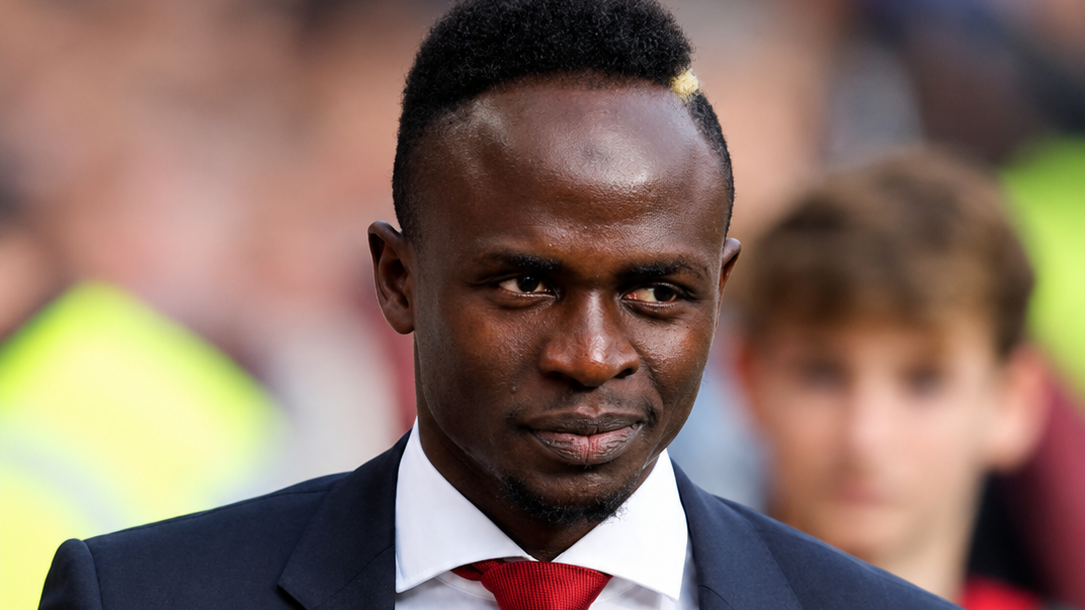
Sadio Mané commits CFA11.7bn ($20.4m) to mango processing complex in Senegal’s Casamance
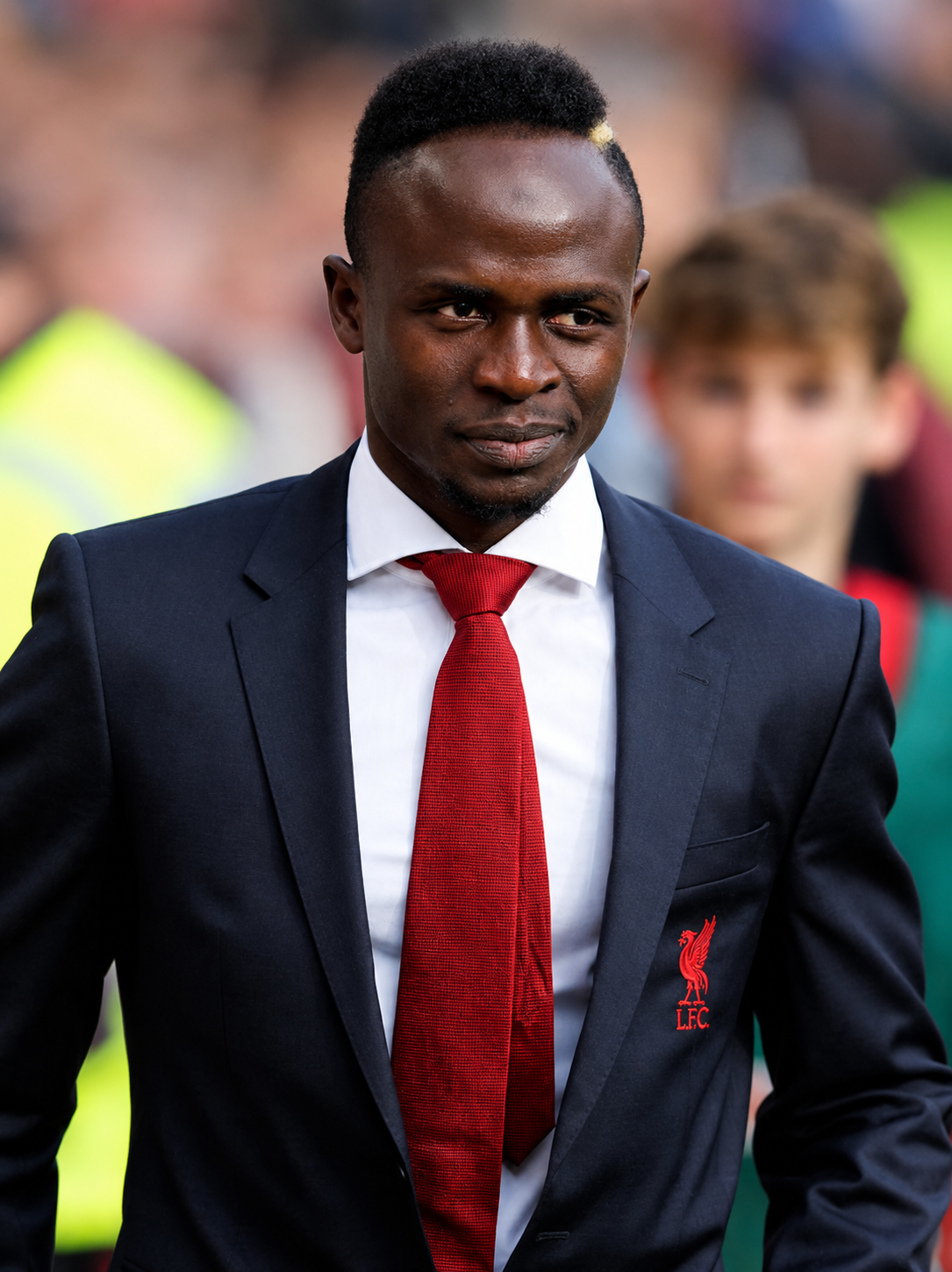
Image by Phil Noble/Reuters
Sadio Mané is investing CFA11.7 billion ($20.4 million) into an agro-industrial complex in his home village of Bambali, envisioning that processing can turn one of Senegal’s biggest agricultural challenges into a commercial opportunity.
SM10 Agro
The project, SM10 Agro, broke ground on 19 September in Bambali, in the Sédhiou region of southern Senegal. It will include a plant designed to process 8,500 tonnes of mangoes a year into pulp, dried fruit and mango butter, alongside a 500-hectare plantation of Kent mangoes. The investment is reported to be self-funded, with more than 1,000 direct jobs expected at start-up. The project also carries five years of tax and customs exemptions through APIX, Senegal’s investment promotion agency.
“I don’t want to be remembered only for the goals I scored,” Mané said. “Before the stadiums, the lights and the victories, there was, of course, Bambali. This is where my dreams began... We want to help create jobs and develop agriculture.” Mane said via announcement via instagram.
The commercial problem Mané is targeting is straightforward: Senegal grows more mangoes than its processing infrastructure can absorb. Casamance is Senegal’s leading mango-producing region, but processing capacity remains limited. A May 2023 study by the Initiative Prospective Agricole et Rurale (IPAR) found that existing facilities were concentrated mainly in Ziguinchor, while Sédhiou and Kolda remained poorly equipped despite their production of local varieties.
“The few processing units that exist in these areas mainly face difficulties accessing packaging and labeling services, which are unavailable in Casamance,” the report said. “This creates dependence on Dakar for these supplies, as well as additional production costs that negatively affect the competitiveness of processed products.”
Official Estimates
Official estimates put Senegal’s annual post-harvest losses at 30% to 45% of harvested fruit. Poor farming practices, weak orchard maintenance, harvesting and transport problems, and limited processing outlets all contribute to the waste. The sector supports nearly 20,000 jobs. Senegal exported about 27,000 tonnes of mangoes in 2021 before fruit-fly infestations led to rejected shipments and increased scrutiny from European Union authorities. Exporters estimate that shipments to Europe, primarily the Netherlands, France and Spain, exceeded 19,000 tonnes in 2026, up from roughly 14,000 tonnes a season earlier, although official figures for the latest season have not yet been published. This creates an unusual commercial opportunity for a processor in Sédhiou.
Mangoes rejected on phytosanitary grounds can have little value as fresh exports, but processing them into pulp or dried fruit changes the economics. Instead of trying to get every mango through the fresh-fruit export chain, SM10 Agro can create a domestic outlet for fruit that would otherwise be lost. It also moves more of the value chain closer to the farmers producing the fruit.
The execution
The Kent plantation will take roughly three years to produce its first harvest, meaning the processing plant will initially depend on purchases from local farmers. The business will also inherit the packaging constraints identified by IPAR. Tax incentives reduce the initial cost burden, but they do not solve the underlying commercial questions. SM10 Agro has not disclosed offtake contracts or export distribution arrangements, leaving procurement, processing utilisation and access to buyers as key variables for the business.
Where the capital is going
Athlete wealth on the continent has often flowed into real estate, academies and philanthropy. Mané has already funded a hospital and a school in Bambali. SM10 Agro is a different proposition, an industrial asset with a supply chain, a workforce and an export thesis. If the project reaches scale, it could provide a model for African athletes looking to deploy wealth into businesses tied to local production rather than assets that simply preserve capital.