NBA Africa opens BAL to permanent team ownership as franchise bids arrive
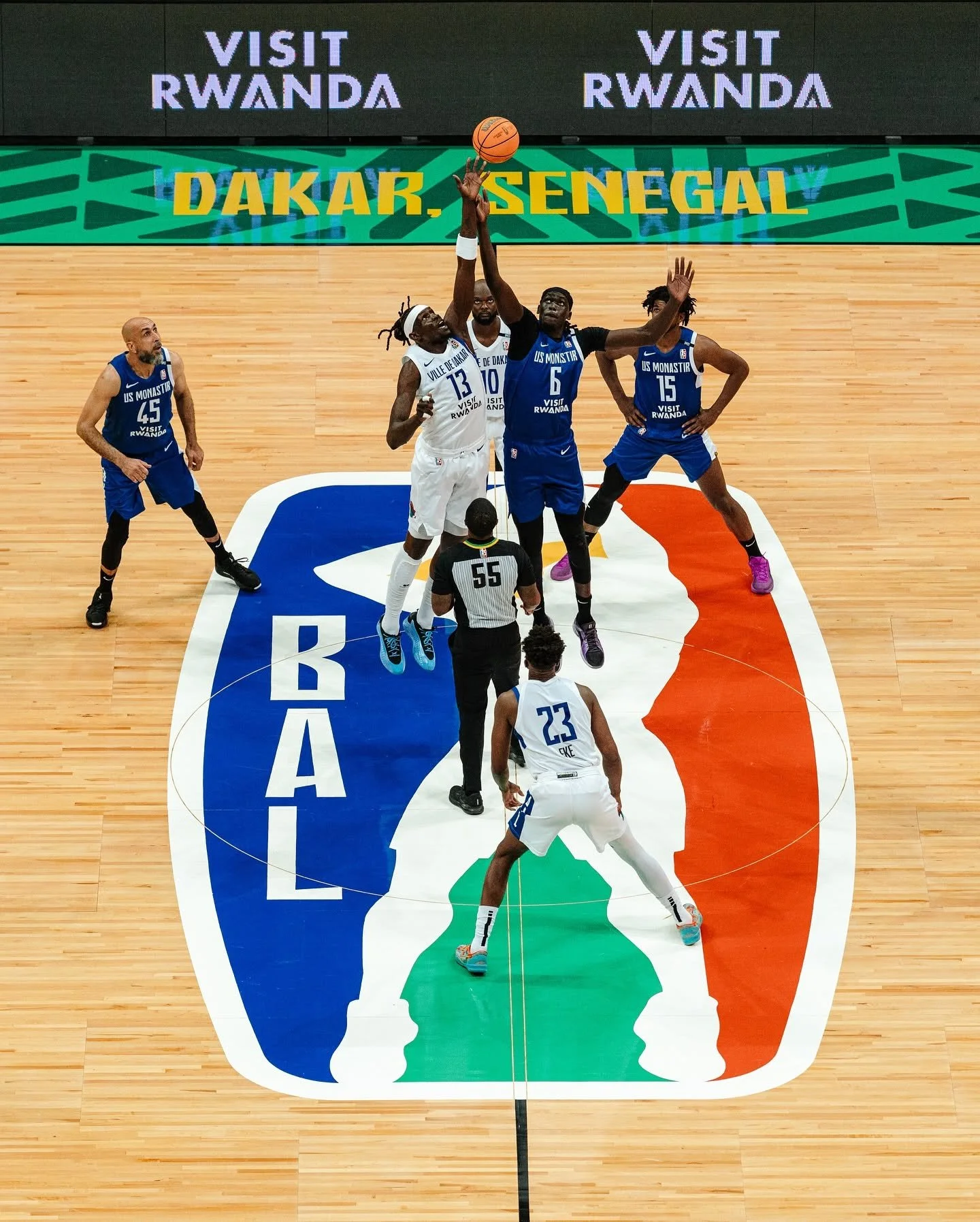
Image by BAL
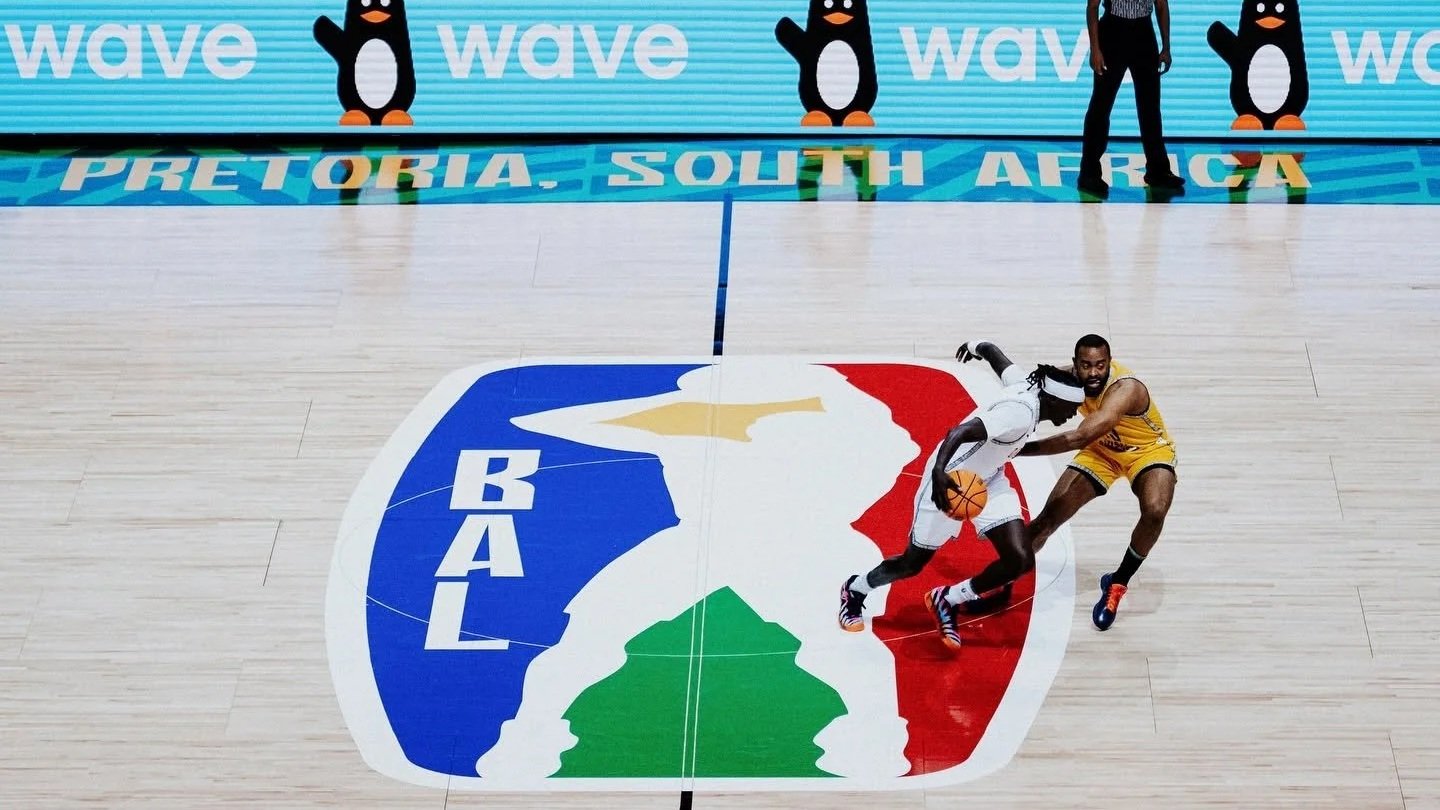
The Basketball Africa League (BAL) is moving to permanent, privately owned teams, NBA Africa chief executive Clare Akamanzi said on Monday, opening the continent's premier basketball competition to outside capital for the first time. Initial bids for the franchises, some above $50 million, have already come in from six countries, according to Sports Business Journal.
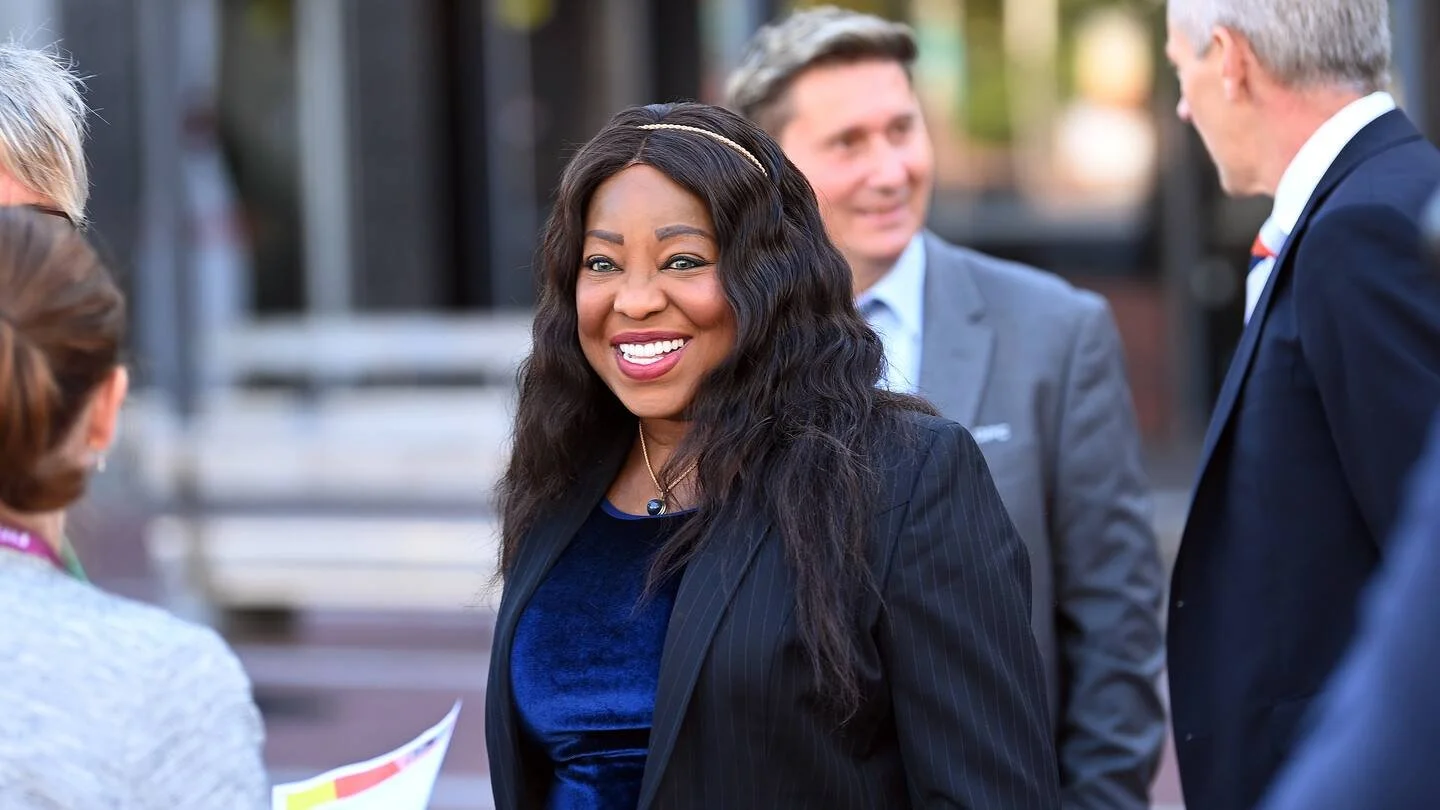
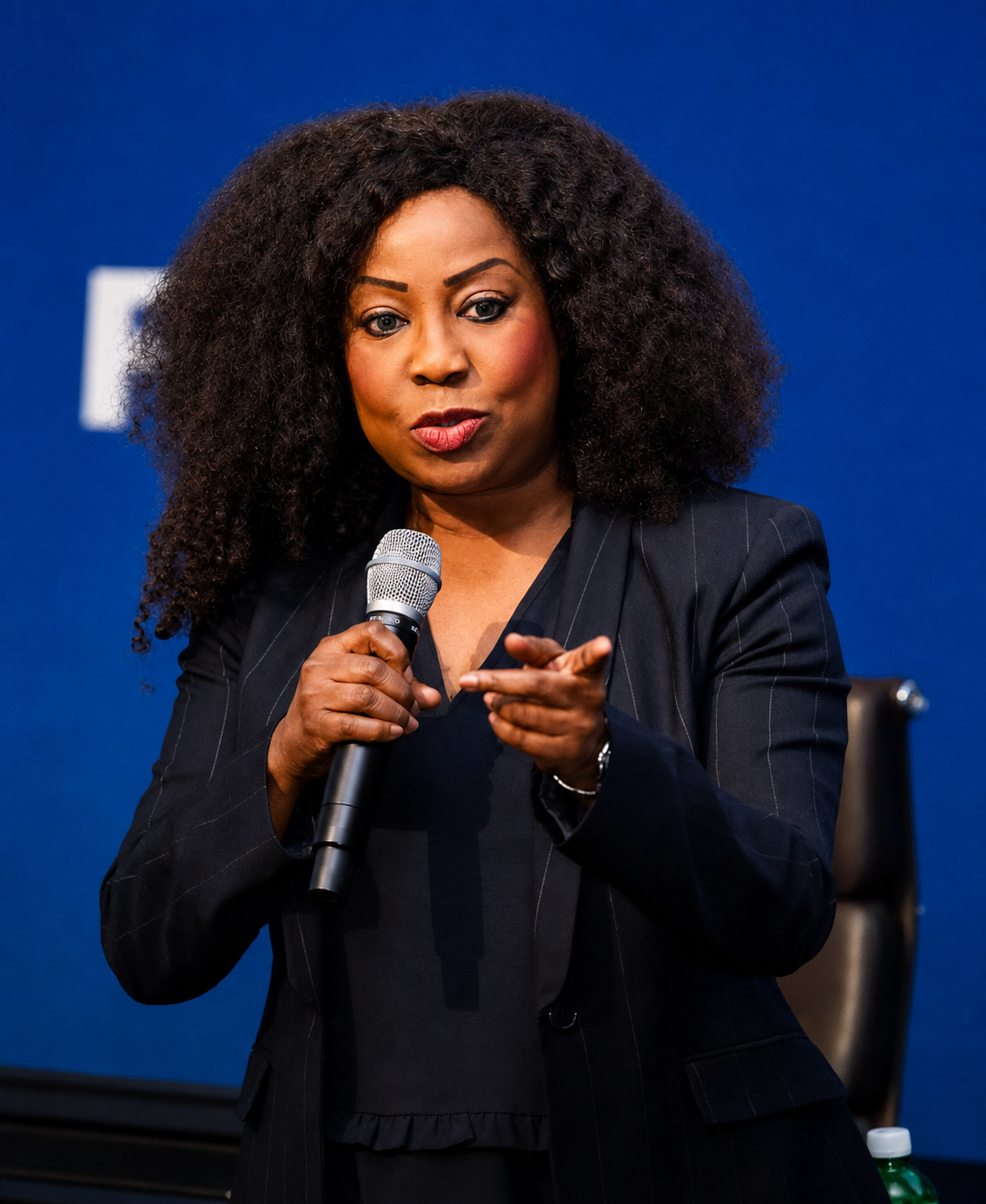
Speaking at the Unstoppable Africa 2026 forum in New York, held on the sidelines of the 81st United Nations General Assembly, Akamanzi said the league would give African and global investors the chance to "own teams permanently, in perpetuity", with the backing of the NBA and FIBA. The panel was moderated by WNBA All-Star and broadcaster Chiney Ogwumike.
Morocco, Nigeria, Senegal, Kenya, Rwanda and South Africa
SBJ, citing unnamed sources, reported that the NBA plans to sell as many as 10 franchises. Bids have been received from Morocco, Nigeria, Senegal, Kenya, Rwanda and South Africa, while NBA executives are using UNGA week to meet government leaders from interested markets. The NBA and FIBA have hired Moelis & Company to manage the process and vet buyers, with priority going to markets that can demonstrate infrastructure readiness, financial capacity and sports management expertise. The 10 owned teams would be joined each year by two qualifiers, keeping the league at 12 clubs.
The BAL has operated as a 12-team, 12-country competition for six seasons. Akamanzi presented that period as evidence that both fans and companies would pay for the product. "We showed that Africans are actually ready to consume sport," she said, pointing to audiences in Rwanda, South Africa, Senegal, Morocco and Egypt. The league finished last season with 22 marketing partners, most of them African brands, while broadcasters including Canal+ carry games across the continent.
$250 million in GDP
NBA Africa estimates that the first four seasons generated $250 million in GDP in host countries and supported 37,000 jobs. Simon Tiemtoré, chairman of Lilium Capital Group and Vista Bank Group, said he was working with NBA Africa and Afreximbank, through its Creative Africa Nexus (CANEX) programme, on financing structures to help more Africans buy teams. "It's expensive to get in, to have an entry point," he said. Tiemtoré co-owns Team Drogba in the E1 electric powerboat championship, which counts Afreximbank's impact investment arm as a backer. He also urged African banks to build wealth management and investment products for athletes, many of whom keep their earnings with institutions abroad.
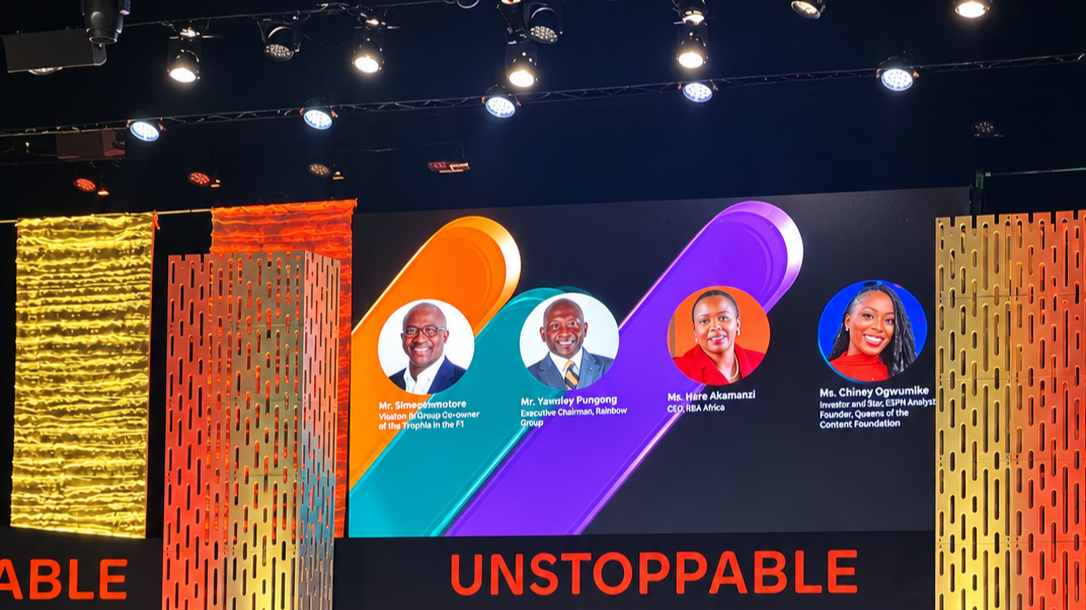
Unstoppable Africa 2026 | Real Value from the Field: Protecting and Profiting from Africa's Talent Pipeline
Kingsley Pungong, executive chairman of Rainbow World Group, said private money alone would not build a lasting industry. "You need infrastructure. You need enshrined policy," he said, citing Saudi Arabia, China and the United States as markets where state backing helped retain talent.
For six years, the BAL has been a league-run tournament fed by national champions. Permanent franchises shift more of the commercial risk to local owners while giving those investors a long-term interest in building audiences, securing sponsors and developing their markets between seasons.
$50 million-plus bids, NBA brand and Future Growth
The reported $50 million-plus bids represent a hedge on the NBA brand and the future growth of the BAL, including its media rights, rather than simply its current revenue base. The $250 million GDP figure measures economic activity generated around the competition, not revenue flowing to team owners, while buyers will be pricing in growth that has yet to appear on individual club books.
The Moelis criteria also favour a particular kind of buyer. Infrastructure readiness rewards markets that already have arena-grade venues, helping explain why governments are involved in the process even though the franchises are being offered to private investors.