
The Cost of Showing Up: What It Takes for African Fans to Reach the World Cup in New York/New Jersey?
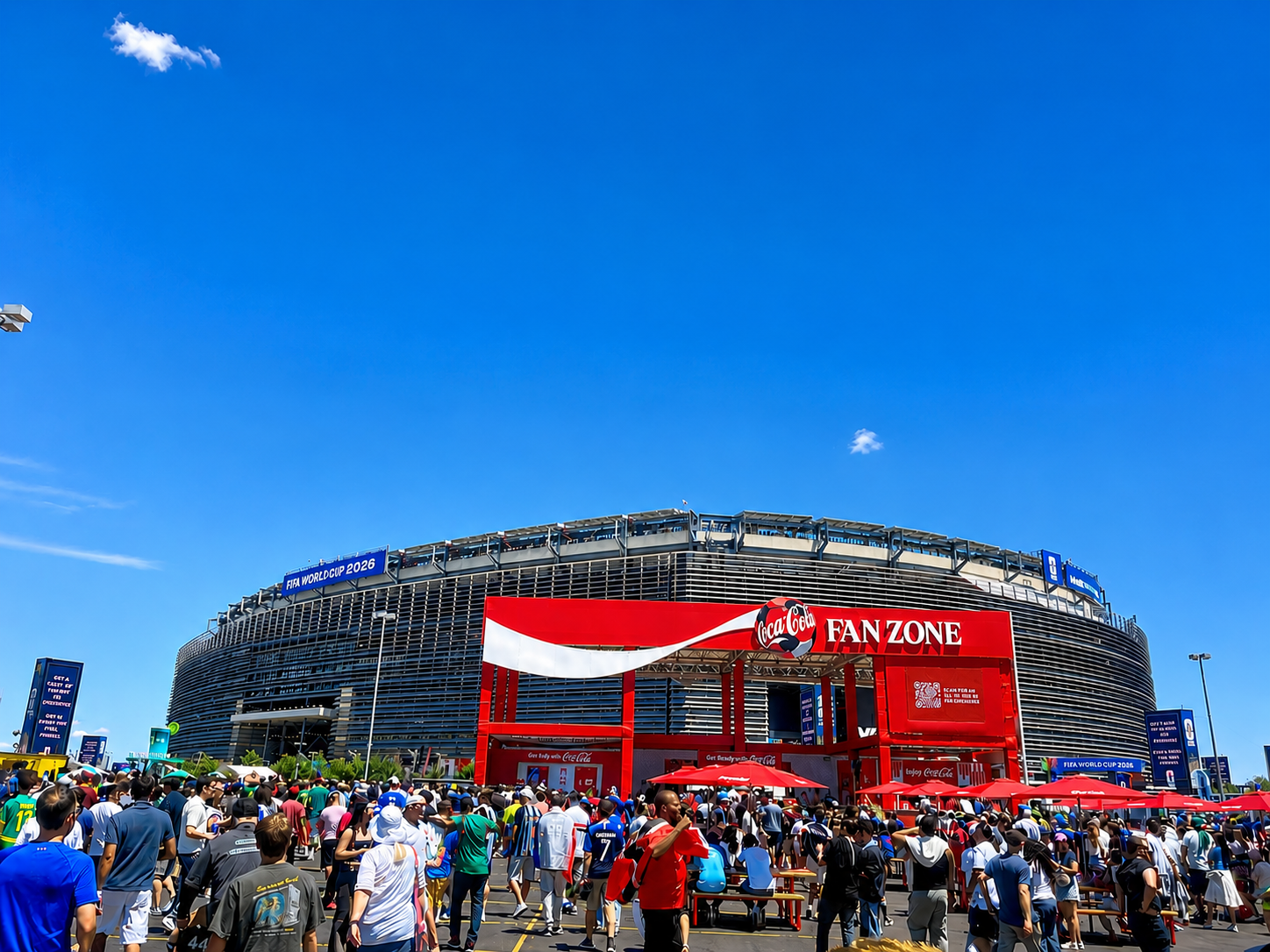
Outside New York New Jersey Stadium ahead of France vs Senegal at the 2026 FIFA World Cup. Image by Business of Sports Africa (BOSA).
A record ten African nations qualified for the 2026 World Cup. Senegal, Morocco, Egypt, Ghana, Algeria, Tunisia, Côte d'Ivoire, Cape Verde, South Africa and DR Congo will all line up across the United States, Canada and Mexico this summer - the largest African contingent in the tournament's history.
But qualifying is the team's job. For the fan, the harder question comes next: what does it actually cost to be there?
To make the answer comparable, we priced one thing for everyone - the trip to New York, home of the New York New Jersey Stadium final and a venue where Senegal and Morocco both play group games. Holding the destination fixed strips out the noise. The hotel, the ticket and the meals cost roughly the same whether you fly in from Tunis or Johannesburg. The one number that moves is the airfare from home. So this is really a map of distance, routes and air capacity between each African capital and New York.
The numbers
Our base case prices a single supporter on a focused trip: economy airfare, five nights in a mid-range New York hotel, one match ticket at the tournament's average price of $1,065, and a modest daily budget for food and the subway. Figures are rounded estimates built on current fare data and tournament ticket pricing - not matchday - surge prices, which we show below.
The Cost of Showing Up
Pick a nation and watch what it takes a fan to reach a World Cup match in New York. Bed, ticket and meals are the same for everyone — the fare is the only number that moves.
- Hotel · 5 nights $1,250
- Match ticket $1,065
- Food & transit $500
All ten, ranked by total
Reading the table
The fixed costs - bed, ticket, food - come to roughly $2,815 before anyone boards a plane, with the $1,065 ticket now the single biggest line. Everything above that is geography.
North Africa wins on price, and it isn't close. Tunis, Algiers, Casablanca and Cairo all sit under $610 round-trip, propped up by short Mediterranean hops into European hubs and, in Morocco's and Egypt's case, direct service to New York. A Tunisian fan reaches a World Cup match for around $3,350 - the lowest entry point of any qualified African nation.
West and Southern Africa pay a premium for distance and thinner routing. Accra, Praia, Johannesburg, Dakar and Abidjan cluster between $3,575 and $3,785, with the airfare doing all the separating.
And then there's DR Congo. The Leopards' first World Cup since 1974 is also the most expensive ticket home for its fans: with no direct service and every route running through Europe, Istanbul or Addis Ababa, Kinshasa–New York airfares average well over $1,300, pushing the total past $4,100. The team that travelled the longest, hardest road to qualify hands its supporters the steepest bill to follow.
The costs the table doesn't show
The numbers above are estimates. However, three things push real spending well past it:
Matchday pricing is brutal. FIFA is using dynamic, airline-style pricing for the first time, so popular fixtures climb as demand builds. New York hotels are worse: rates near the New York New Jersey Stadium have been quoted in the thousands per night for the final, and even mid-Manhattan rooms jump to $400–$600 on match dates. Book the wrong week and the realistic total moves from ~$3,400 toward $5,000–$7,000.
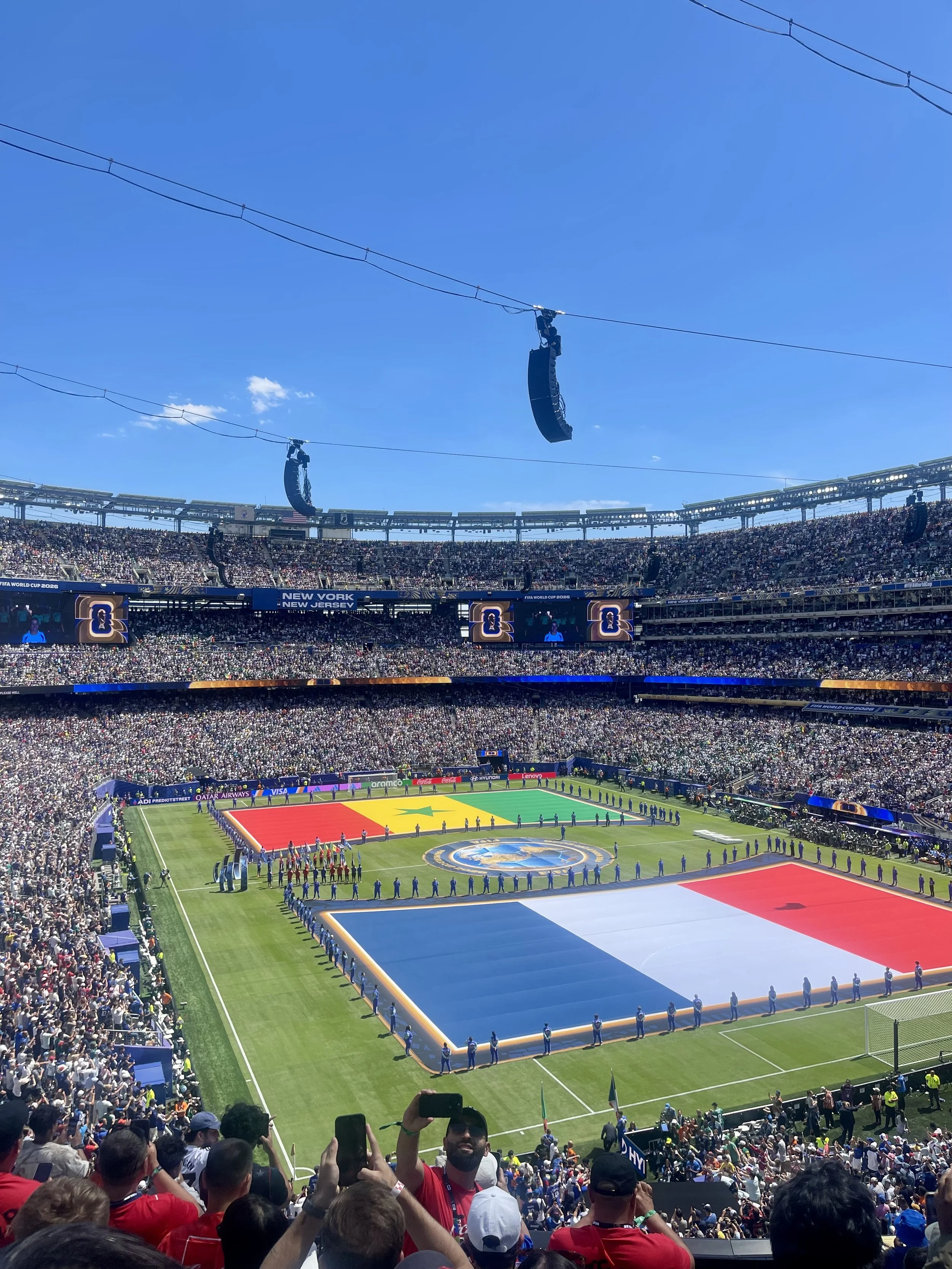
Image by Business of Sports Africa (BOSA)
The visa is a cost - and a potential five-figure one. A US visitor visa carries a roughly $185 application fee, but the process itself is the first obstacle: limited appointment slots, long waits, and in some cases travel to another country just to sit for an interview. The bigger number is the one most fans don't see coming. Five of the ten qualified nations - Algeria, Cape Verde, Côte d'Ivoire, Senegal and Tunisia - sit on the US visa bond pilot list, meaning their nationals can be required to post a refundable bond of $5,000, $10,000 or up to $15,000, set by a consular officer at the interview, before a B-1/B-2 visa is issued. That single line dwarfs the entire trip. The reprieve: the State Department waives the bond for World Cup travellers who bought match tickets by April 15 and enrolled in FIFA's Priority Appointment Scheduling System. Fans who decided late, or skipped that step, get no such pass-and for them the bond, not the airfare, is the real gatekeeper.
The real story
Strip it back and the headline isn't the dollar amount - it's what that amount represents. A ~$3,350–$4,100 trip is a manageable splurge for a fan in a high-income economy. For supporters across most of these ten nations, it is the equivalent of many months of average earnings. The World Cup expanded its African footprint to a record ten teams, but the economics of actually being in the stadium still sort fans by passport and postcode long before kickoff.
The continent earned its place at the table. Whether its fans can afford a seat is a different competition entirely.
The Money Game is Business of Sports Africa's running coverage of the commercial story behind the 2026 World Cup. Subscribe at businessofsportsafrica.com/subscription.
Methodology: Totals are illustrative estimates for one adult on a five-night, single-match trip to New York. Flights reflect typical round-trip economy fares observed across major fare aggregators (Google Flights, KAYAK, Skyscanner) and are not adjusted for tournament-window surges. The ticket line uses an average 2026 World Cup match ticket price of $1,065; actual prices vary widely by match and seating category and are subject to dynamic pricing. Hotel and food figures assume mid-range New York rates.
