
Is a $15,000 Barrier to Entry Undermining 2026 World Cup Competitive Balance?

Image by Adera Abdoulaye Dolo
The U.S. government's new bond requirement for nationals of several participating nations threatens to create a two-tier tournament - and raises questions about competitive integrity.
The 2026 FIFA World Cup was meant to be the most inclusive in football history. A U.S. immigration policy may complicate that ambition.
Under the Visa Bond Pilot Program, nationals from several World Cup-participating nations - including Senegal, Ivory Coast, Tunisia, Algeria, and Cape Verde - may be required to post bonds of between $5,000 and $15,000 per person to enter the United States. The deposits are refundable upon departure, but the upfront capital requirement introduces a liquidity barrier that could effectively price out large segments of the global fan base. For a family of four, that could mean locking up as much as $60,000 - temporarily, but prohibitively.
Can a tournament remain competitively balanced if entire fan bases are effectively priced out?
While the funds are refundable upon departure, the upfront cost introduces a significant liquidity barrier - particularly for fans traveling from these markets.
The Competitive Dimension
The implications extend beyond fan experience. Research consistently shows that crowd support influences player performance, affects referee decision-making at the margins, and shapes the broadcast atmosphere that drives commercial value. When fan representation is uneven, so too are competitive conditions.
Teams from wealthier or visa-exempt nations stand to benefit from disproportionate crowd support in what is designed to be a neutral tournament. That dynamic is not incidental - it is a structural distortion embedded in the tournament's access model.
A Two-Tier Fan Economy
The policy formalises what many in global sport have long observed informally: that the live experience of major events is increasingly stratified by geography and wealth.
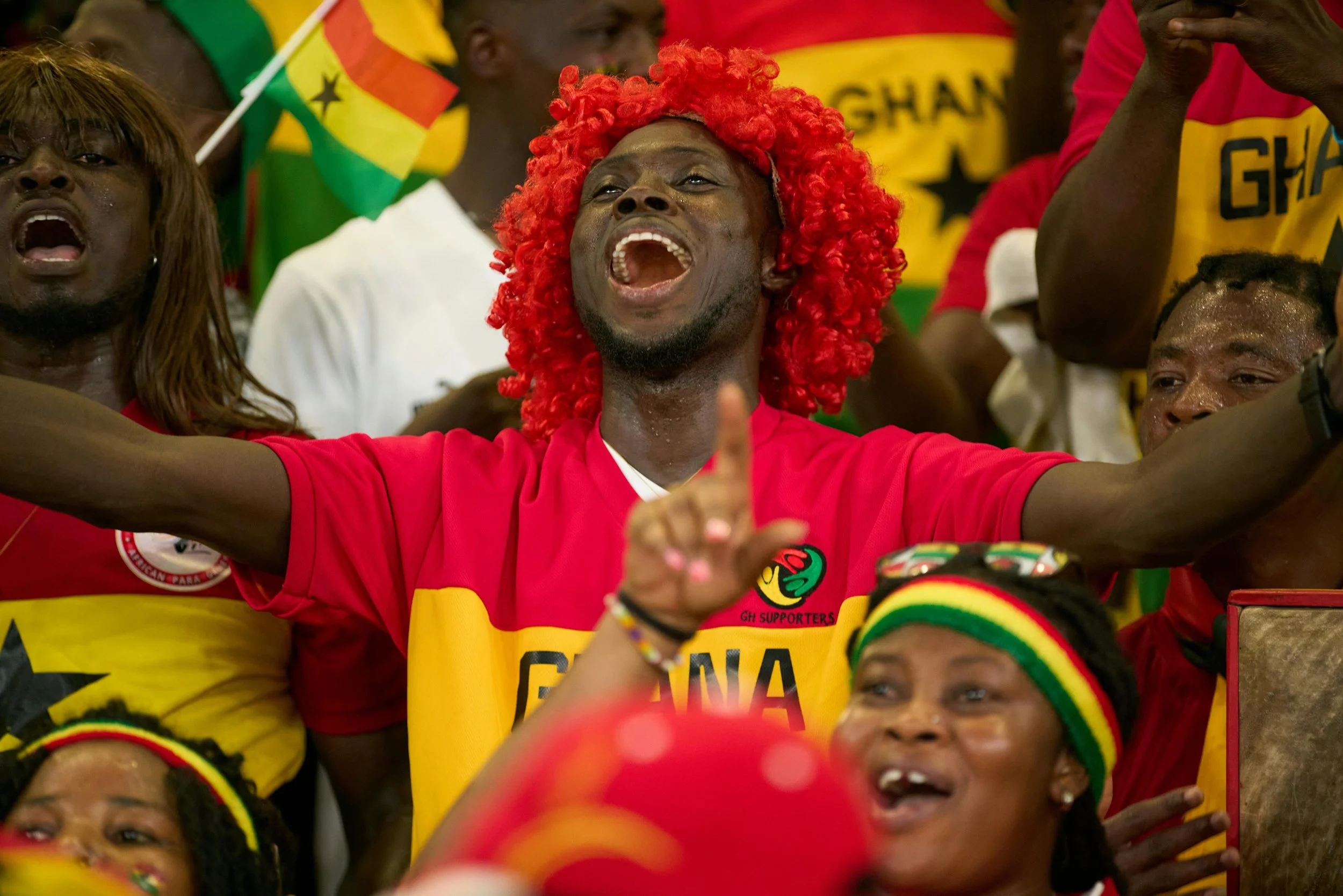
Fans traveling from Europe or North America face high but navigable costs. For supporters from affected African nations, already absorbing significant travel expenses, an additional five-figure bond per person creates a prohibitive barrier. The result is a tournament that risks skewing its in-stadium audience toward wealthier, Western fan bases - undermining the global diversity that FIFA markets as a core commercial asset.





Commercial Exposure for FIFA
FIFA's business model depends on the optics and energy of international fandom. Reduced attendance from specific regions affects broadcast product quality, weakens sponsor visibility in key emerging markets, and risks long-term damage to fan engagement across Africa - a continent FIFA has consistently identified as a strategic growth priority.
The tension is sharper given the governing body's own messaging. FIFA has positioned the 2026 tournament as a landmark in global inclusion. However, the visa bond policy cuts directly against that narrative.
Operational Uncertainty
The complications reach beyond supporters. Without guaranteed exemptions, players, coaches, and federation staff from affected nations could theoretically face the same requirements. FIFA is reportedly working to secure waivers for official delegations, but the absence of confirmed exemptions adds administrative friction and uncertainty to tournament preparation.
The Bottom Line
A $15,000 bond is, on paper, a refundable deposit. In practice, it functions as a price of admission - one that not every fan base can meet. When access to the world's largest sporting event becomes a function of liquidity rather than passion, the competitive and commercial foundations of the tournament are both at risk.
