Image by CAF
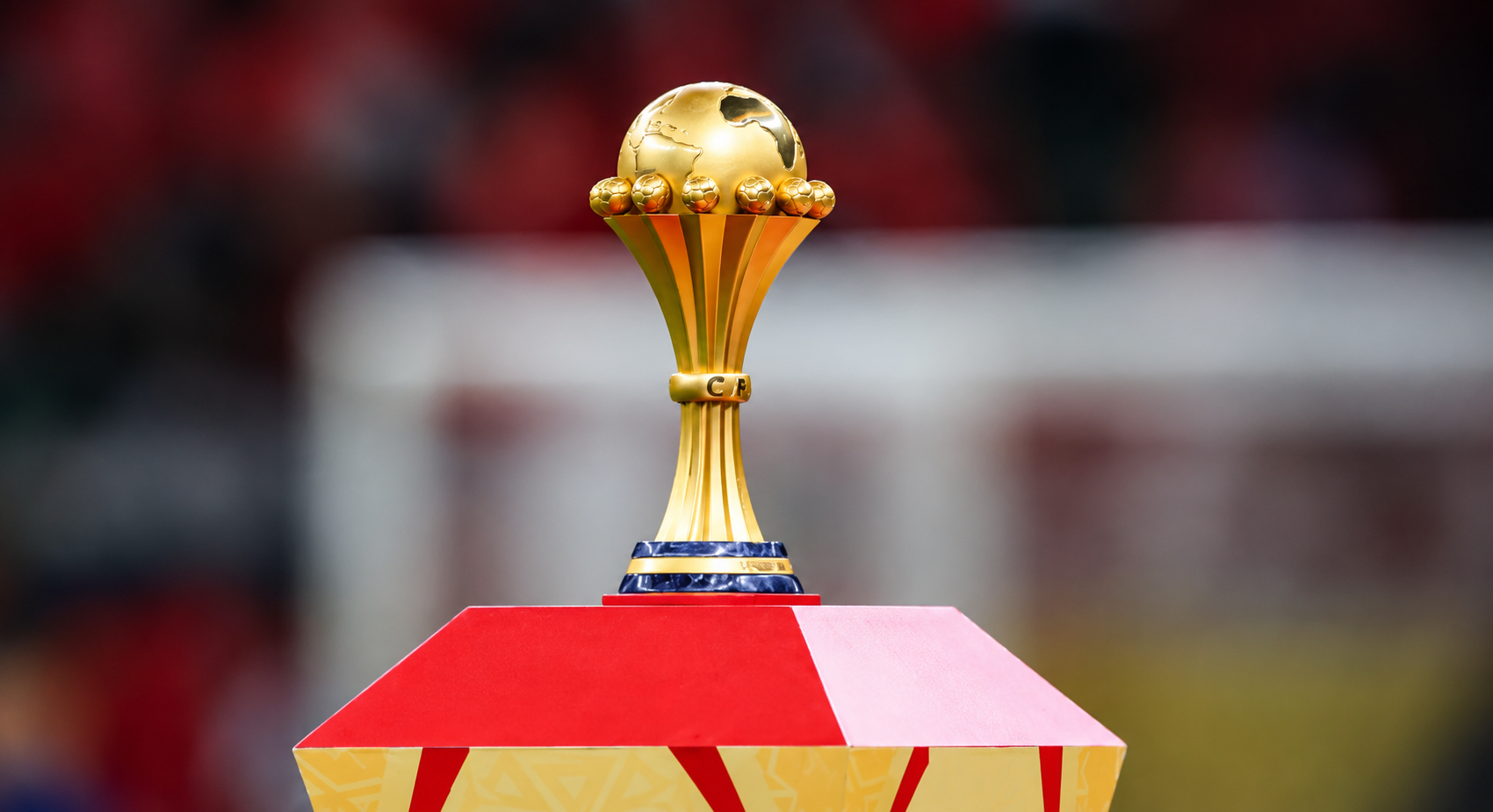
The Confederation of African Football (CAF) reversed its plan to stage the Africa Cup of Nations (AFCON) every four years because the competition meant to fill the gap was not ready to pay its way. CAF’s Executive Committee (EXCO) voted unanimously on Thursday to return AFCON to a two-year cycle, ten months after announcing the change, concluding that the proposed African Nations League would need several years before it could match the tournament’s commercial returns.
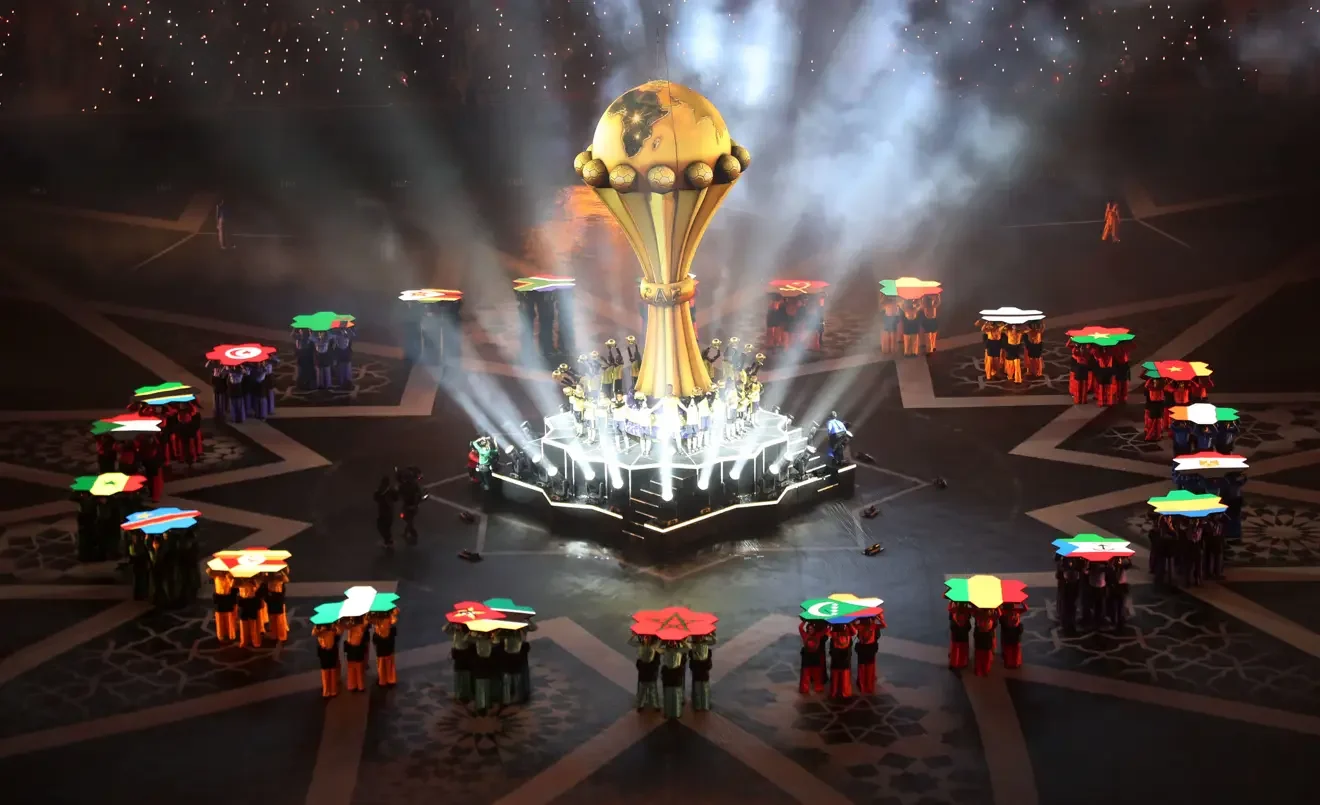
The four-year model was unveiled in Rabat in December 2025, on the eve of the Morocco edition. Under that plan, the 2027 tournament in Uganda, Kenya and Tanzania would go ahead, the following edition would be brought forward from 2029 to 2028, and the next after that would be in 2032, clearing space for a new African Nations League in 2029.
AFCON’s place in CAF’s finances
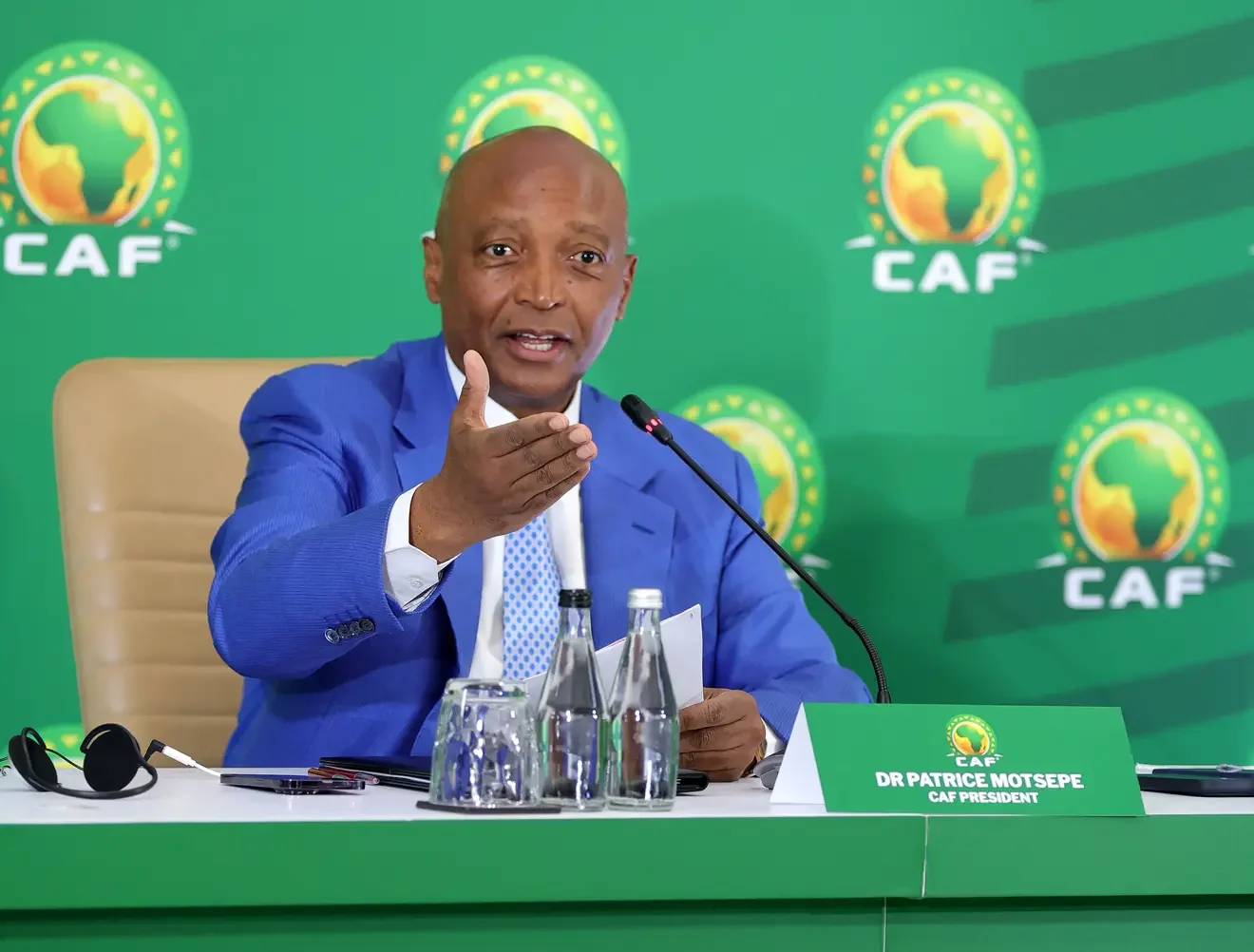
Commercial viability drove the U-turn, AFCON is estimated to generate approximately 80% of CAF’s revenue. The four-year plan relied on the Nations League, to be organised with FIFA to attract top-class sponsors, generating income in the years without an AFCON. In December, CAF President Dr Patrice Motsepe argued a four-year cycle would generate significantly more revenue than a biennial one. Thursday’s statement concedes the replacement product would not be ready in time, and a confederation this dependent on one event cannot carry a multi-year gap on the strength of a competition that has yet to sell a sponsorship.
The main beneficiaries are the member associations, whose budgets lean on AFCON participation and prize money, which CAF raised for the winners from $7 million to $10 million in December. More editions also mean more hosting rights to award, and more inventory for title sponsor TotalEnergies and CAF’s broadcast partners to sell against.
“Globally competitive and self-supporting” - Motsepe
Motsepe said the EXCO had also weighed the interest of African players at clubs outside the continent, and that CAF had been concerned the Nations League, which was meant to mirror the current AFCON, would take several years to make the financial and development contributions needed for African football to become “globally competitive and self-supporting.”
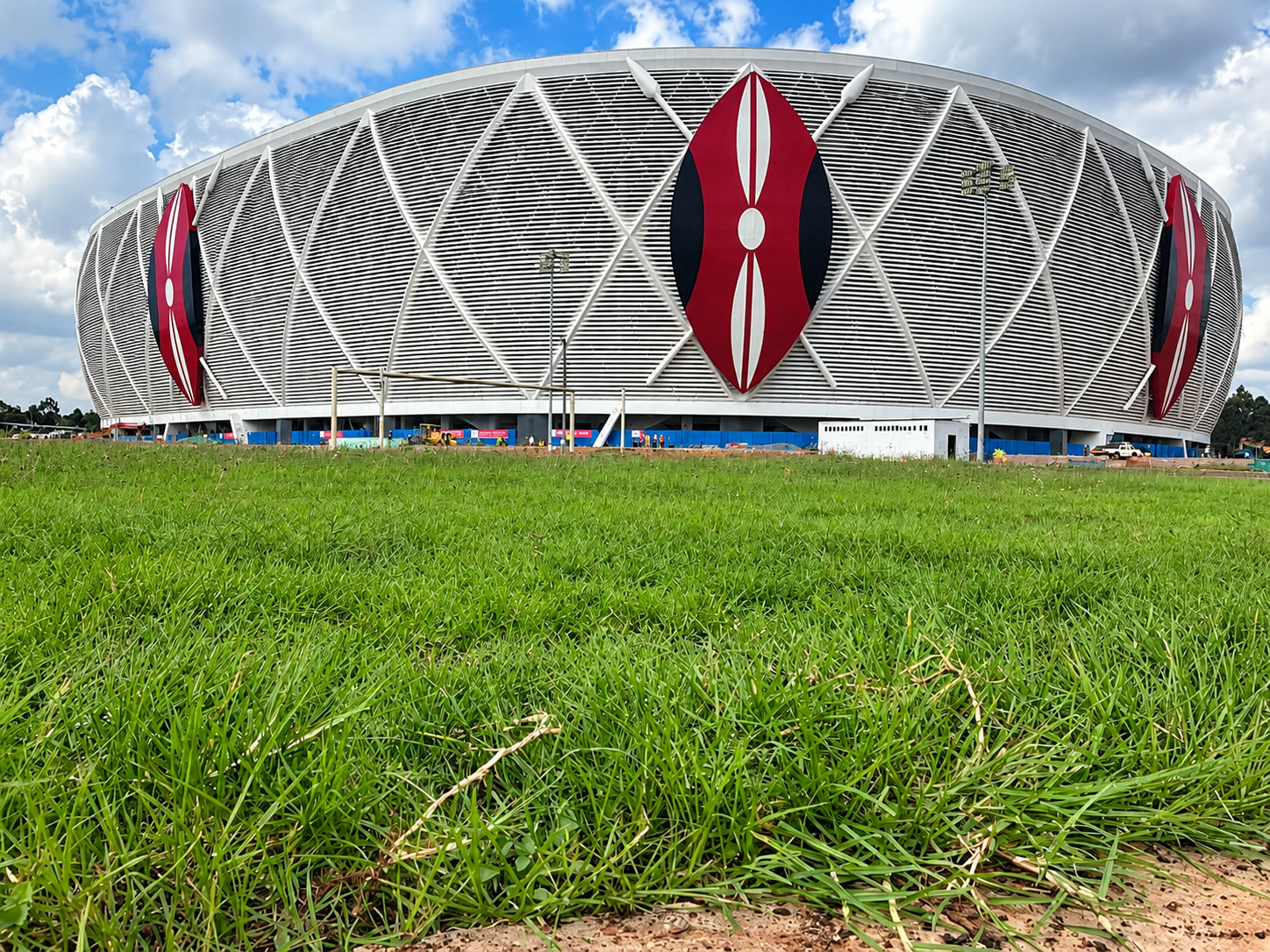
Under the revised calendar, the next TotalEnergies CAF AFCON will be held in Kenya, Tanzania and Uganda in 2027, followed by editions in 2028, 2031 and 2033. No tournament will take place in 2030, the year of the next FIFA World Cup, in line with FIFA convention that confederation national team finals are not staged in a World Cup year. Motsepe said he was “confident that it will be very successful,” referring to the 2027 edition.
The decision followed a compressed consultation, Motsepe first raised the possibility of a reversal at the CAF Strategy Conference in Cabo Verde on October 9, and repeated the position at a virtual EXCO meeting on October 22. The following day, CAF acting General Secretary Samson Adamu wrote to all 54 member associations, saying Motsepe had asked him to collect each association’s recommendation on whether AFCON should be held every two years or every four years, with responses due by 1pm on October 28. The EXCO ruled a day after that deadline.
Motsepe also described AFCON as a celebration of Africa’s cultures and traditions, bringing together people from the continent’s 54 countries, the diaspora and beyond. “The CAF EXCO decision is in the best interest of African Football and CAF’s 54 Member Associations and will also contribute significantly to the development and growth of football in Africa,” he said.
What the reversal leaves open
The statement does not say whether the Nations League will still launch, or in what form. It does not explain the three-year gap between 2028 and 2031; in December, leaving 2029 empty was linked to avoiding a clash with the next Club World Cup. The 2028 host and window are also still to be confirmed. And the calendar now stretches past the current leadership, Motsepe confirmed in Cabo Verde that he will not seek another term, so his successor will inherit a schedule set through 2033.
More on CAF