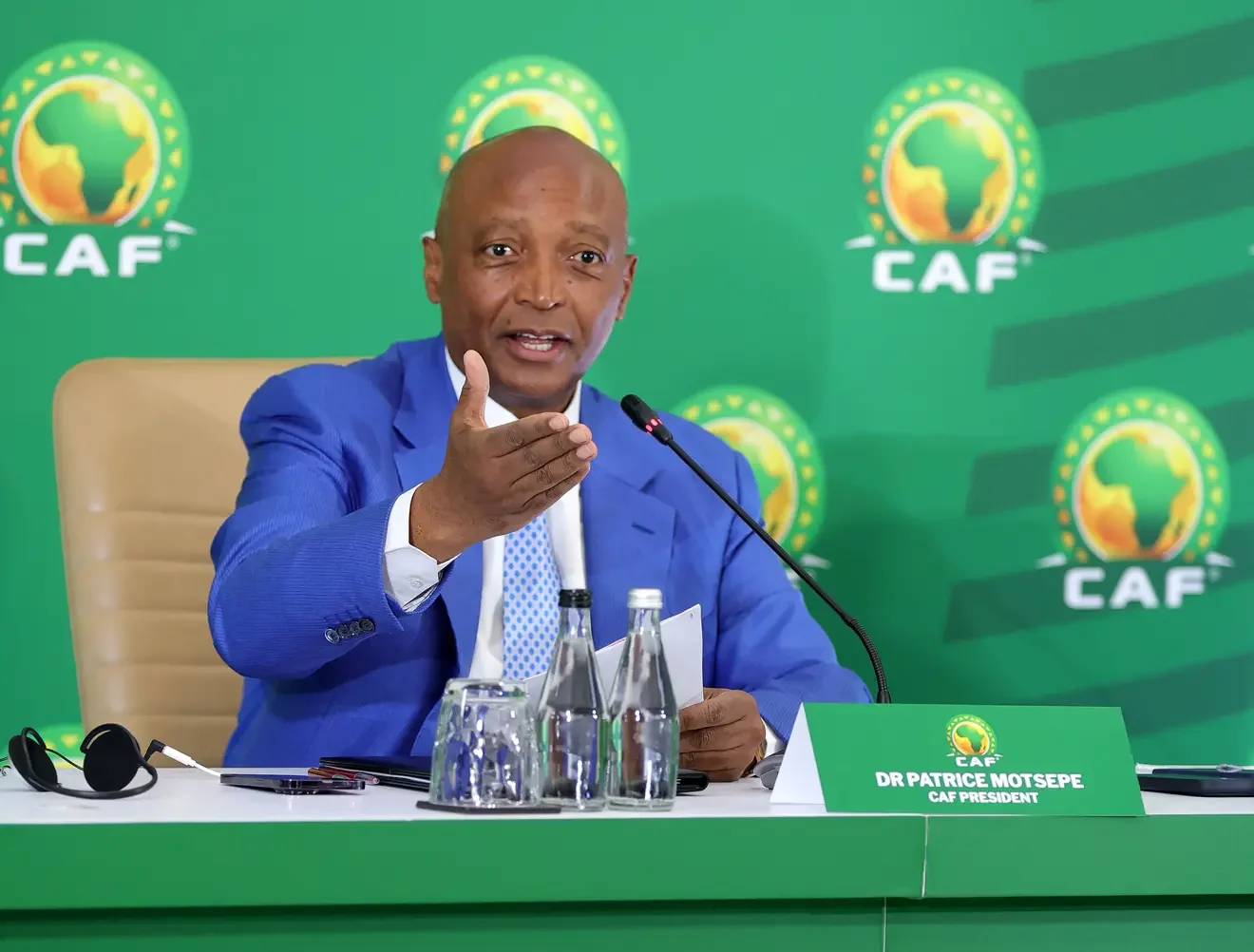
Patrice Motsepe, President of the Confédération Africaine de Football (CAF) | Image by CAF
The Confédération Africaine de Football (CAF) will pay each of its 54 member associations up to $700,000 a year, a 33% increase on the current ceiling of $525,000, as the governing body continues to direct more of its central revenue towards national federations. CAF President Dr Patrice Motsepe announced the new structure, which also lifts annual subventions to CAF’s zonal unions by 20%, from $750,000 to $900,000 each. The African Clubs Association (ACA) will see its allocation rise from $400,000 to $500,000. The revised funding was confirmed at the 2026 CAF Strategic Conference in Cape Verde.
The increase is the fourth step-up since 2021, when member associations received $200,000 a year. That figure was doubled to $400,000, then raised to $525,000 before the latest move to $700,000, a 250% rise over five years. CAF said the money is intended to help federations strengthen development structures, invest in youth and women’s football, improve administration and governance, and build programmes for players, coaches and referees. The body framed the increase as part of Motsepe’s commitment to making football in each of its 54 member associations “world-class and self-sustaining.”
$37.8 million a year
At the full ceiling, the member association grants alone would cost CAF about $37.8 million a year, approximately $9.5 million more than under the previous structure. Add the six zonal unions and the ACA, and annual subventions approach $44 million. Outside a handful of markets such as Morocco, Egypt, Nigeria and South Africa, national associations often have thin domestic commercial income, limited broadcast revenue and inconsistent government funding. A guaranteed $700,000 from Cairo can represent a significant share of an operating budget, which gives CAF real influence over how federations prioritise spending.
CAF describes the figure as “up to” $700,000 and a “cumulative” amount, which suggests not every association will automatically receive the full sum. How much is unconditional, and what governance or reporting standards unlock the rest, will determine whether the money changes how federations are run.
Commitment depends on CAF’s own commercial performance
The sustainability of the commitment depends on CAF’s own commercial performance. Grants have risen faster than many of the continent’s leagues and clubs have grown their revenue, so the model leans heavily on CAF’s ability to keep its competitions, sponsorship and broadcast income growing.
Recommended for you