Why BAL franchise owners could fund Africa’s next NBA academies
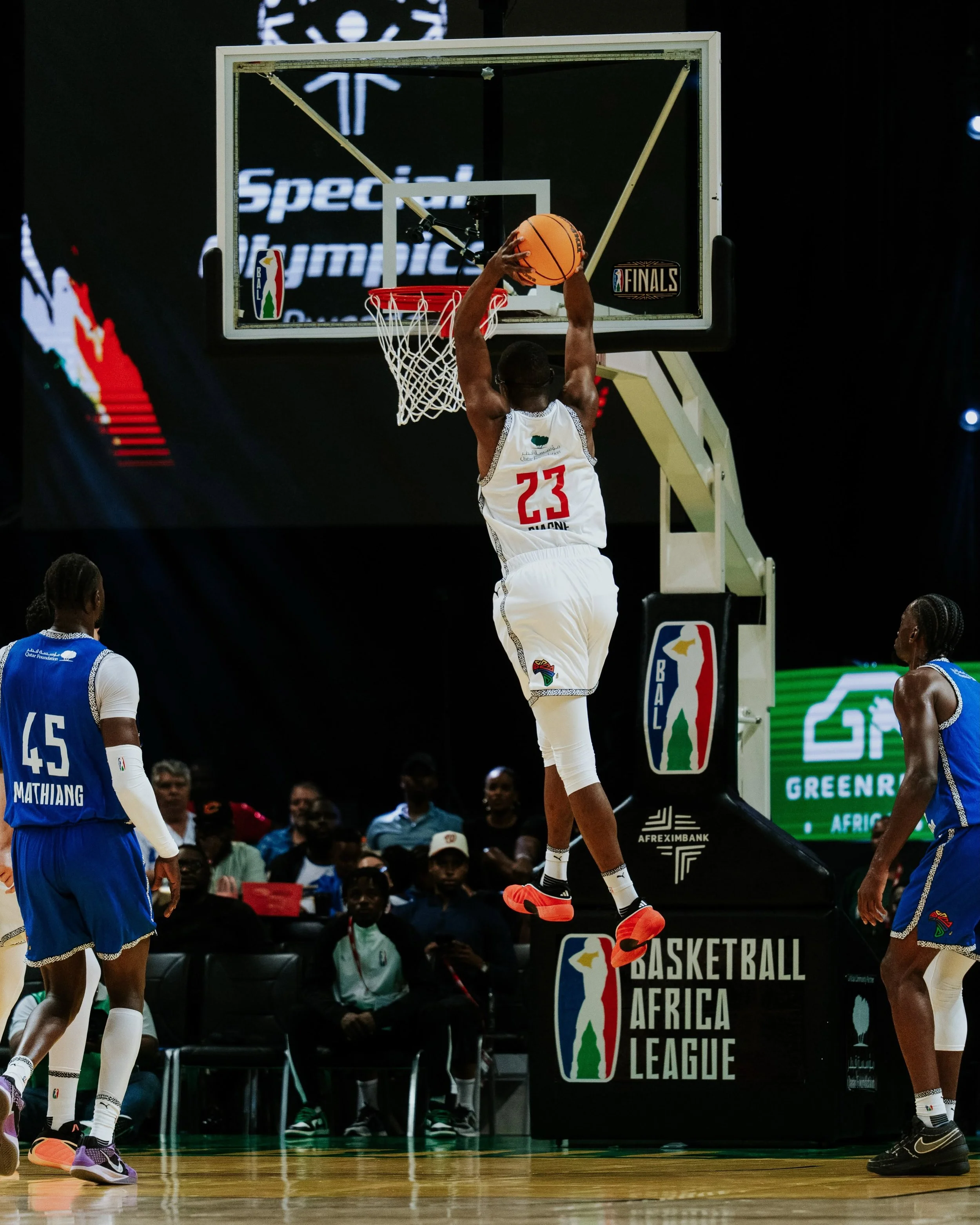
Image by BAL
The NBA has closed its only academy in Africa, raising questions about how elite player development on the continent will be financed. The Basketball Africa League’s (BAL) planned move towards permanent franchises offers one possible model, in which team owners and local partners could take on a greater role. The NBA Global Academy in Abu Dhabi adds another dimension to how the league may organise its development programmes.
BOSA reported this month that NBA Academy Africa in Saly, Senegal, had closed. The closure follows the announcement in January of the NBA Global Academy in Abu Dhabi, developed as part of an extended partnership with Abu Dhabi’s Department of Culture and Tourism (DCT Abu Dhabi). Saly trained around 110 students since opening in 2018, including Khaman Maluach and Ulrich Chomche, both of whom reached the NBA Draft. The league has also closed its academies in Mexico and Australia.

NBA Academy Africa provided a development pathway for young basketball players from across the continent.
Days later, BOSA’s coverage of NBA Africa’s partnership with Quest Water Global, which includes plans for 55 basketball courts in the Democratic Republic of the Congo, examined another approach to expanding basketball infrastructure through external partners. Together, the developments raise a question about how the NBA and its partners will finance basketball development across markets where building and maintaining facilities can be costly.
A new role for franchise owners
The BAL’s franchise process could offer part of the answer. The league plans to move towards 10 permanent franchises, alongside two places allocated annually through qualification with prospective bidders from Morocco, Nigeria, Senegal, Kenya, Rwanda and South Africa, with initial offers in June reportedly exceeding US$50 million in several cases. NBA Deputy Commissioner Mark Tatum has indicated that ownership will involve more than acquiring a team. Speaking to Andscape, he said: “And what that will require is investments in not only buying a franchise, but investment in infrastructure, investments in things like academies and grassroots basketball development.”
After the BAL playoffs in Kigali in May, Tatum also described permanent franchise owners as partners who would invest in basketball development in their respective cities. His comments establish an expectation of broader investment, although the league has not detailed whether operating an academy will be a requirement of franchise ownership.
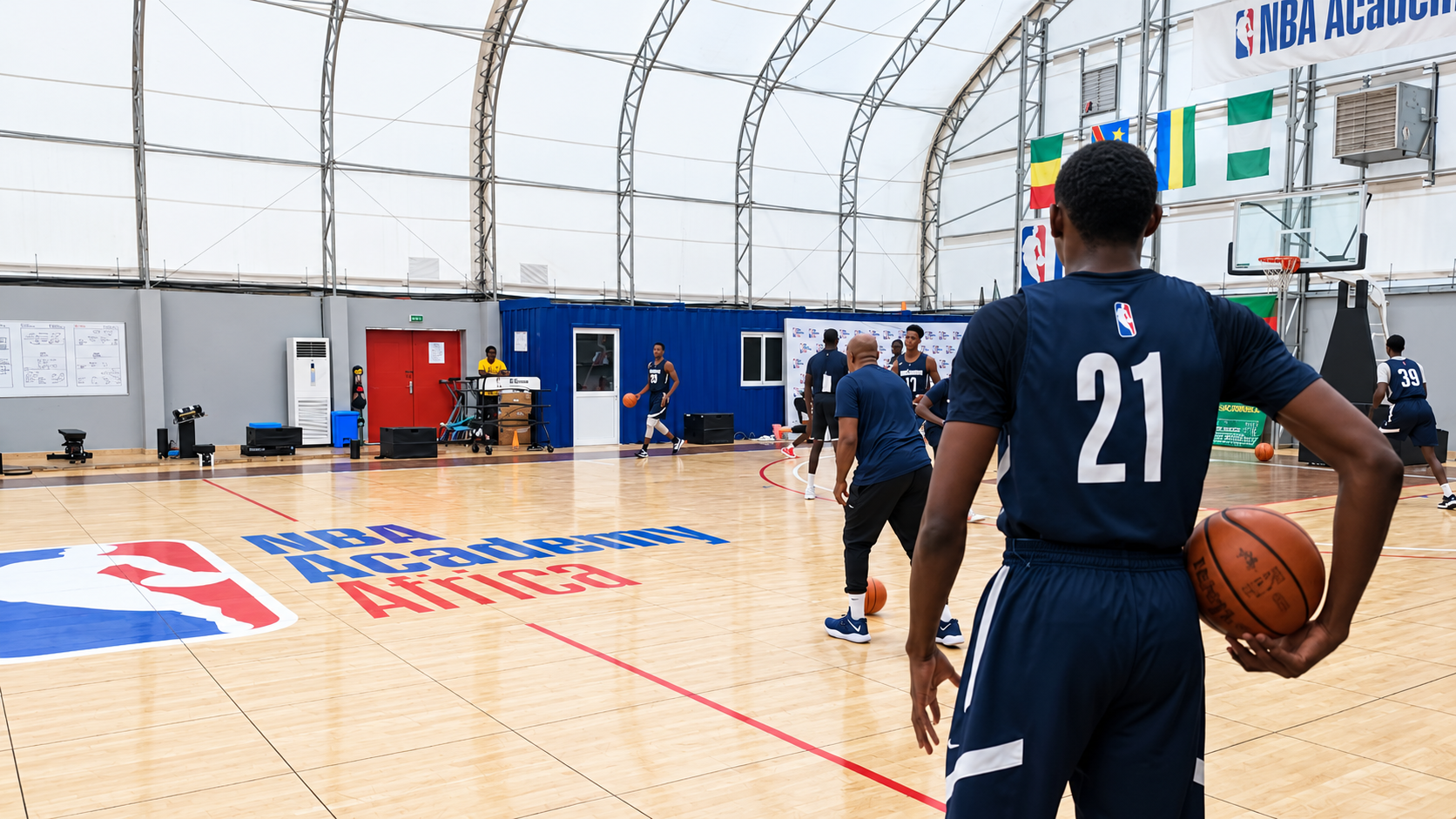
The BAL’s planned move towards permanent franchises could create new opportunities for local investment in basketball development. | Image by IOC
The commercial case for shared investment
English football offers one comparison. Premier League clubs operate academies within a wider development system. A BAL equivalent could see franchise owners fund local programmes, supported by NBA coaching expertise and development resources, with governments, sponsors and education partners helping cover costs. Promising players could pursue opportunities at the NBA Global Academy in Abu Dhabi, US colleges or professional teams, although no formal pathway between these programmes has been announced.
For the NBA, shared investment could expand its development network across Africa without requiring it to bear the full cost of every facility. For franchise owners, academies could develop local talent, strengthen community relationships and create opportunities for sponsors and public-sector partners. Well-designed programmes could also build local coaching capacity and relationships with schools and federations, extending their value beyond future professionals. However, the closure of NBA Academy Africa does not establish that the NBA intends to transfer academy costs to franchise owners. The league has not publicly detailed how the closure fits into its longer-term development plans, and a more centralised model may serve different priorities.
The financial case for franchise owners would depend on the costs of coaching, facilities, education and player welfare, as well as the potential returns. Developing talent does not guarantee that a player will reach the senior team or generate commercial value for the owner. Without clarity on player progression and how any returns would be shared, the incentive to invest could vary considerably between franchises.
BAL Elevate offers a starting point
A connection between the NBA’s academy system and the BAL already exists, although the existing model linked academy prospects to professional teams rather than placing responsibility for development with franchise owners. BAL Elevate, launched in 2022, placed one NBA Academy Africa prospect with each of the league’s 12 teams. Under a locally funded model, academies in franchise markets could instead become a source of talent for BAL teams, with promising players potentially progressing to higher levels of development. Whether that pathway would connect formally to Abu Dhabi remains an open question.

A sustainable academy model must support education and player welfare alongside elite basketball development. | Image by Megwara Favour
The limits of a franchise-led approach
The limits of such a system are significant. The NBA Global Academy in Abu Dhabi is designed to recruit internationally, including from the UAE, the Middle East and other regions. African prospects would compete for places alongside candidates from around the world, with no confirmed regional quota. Nor would a place at the academy guarantee a route to the NBA. US college basketball remains a major pathway for African prospects. Maluach progressed from Saly to Duke before entering the NBA Draft, while Chomche was drafted directly from the academy. Their different routes illustrate why a development system needs to prepare players for more than one outcome.
Geographic coverage presents another challenge. Ten franchises across the reported bidder markets would still leave much of Africa without a local BAL academy. South Sudan, Maluach’s home country, is not among the six countries identified in BOSA’s reporting. Neither is Cameroon, where Chomche grew up. Saly drew players from across the continent, giving it a reach that a network tied to franchise locations might struggle to replicate. A club-based system could concentrate opportunities in markets wealthy enough to secure permanent teams, unless the NBA and its partners developed additional routes for players elsewhere.
Education is another consideration, Saly’s value extended beyond basketball training to academic support that helped prepare players for opportunities at schools and universities, including in the United States. Recreating that combination would require more than coaching facilities. Owners would need access to suitable schools, academic support and player-welfare services, all of which add costs to an investment whose returns may take years to materialise.
Senegal becomes a test case
Senegal will be an important test, It is among the reported bidder markets, has lost the academy and is preparing to host the Youth Olympic Games from 31 October. If a new franchise owner helps restore a pathway combining basketball development and education, it would lend weight to the argument that the closure represents a change in how talent development is funded rather than a withdrawal from African player development. If no comparable pathway emerges, the gap left by the academy’s closure will be harder to address. The question, ultimately, is not simply whether franchise owners can replace the NBA as funders. It is whether a more locally financed system can preserve the reach, education and development opportunities that made Saly valuable.
Recommended for you