NBA closes Senegal academy as elite development shifts to Abu Dhabi

Cameroon's Ulrich Chomche, drafted by the Toronto Raptors in 2024 as the first player selected directly out of the academy.
The NBA has closed NBA Academy Africa in Senegal, ending nearly a decade of residential elite player development on the continent and folding the programme into a new global academy in Abu Dhabi. The decision leaves the league without a dedicated training base in Africa, the market it has spent years positioning as a growth frontier, less than a month before Senegal hosts the first Olympic event ever staged on African soil.
A shift in global basketball development strategy
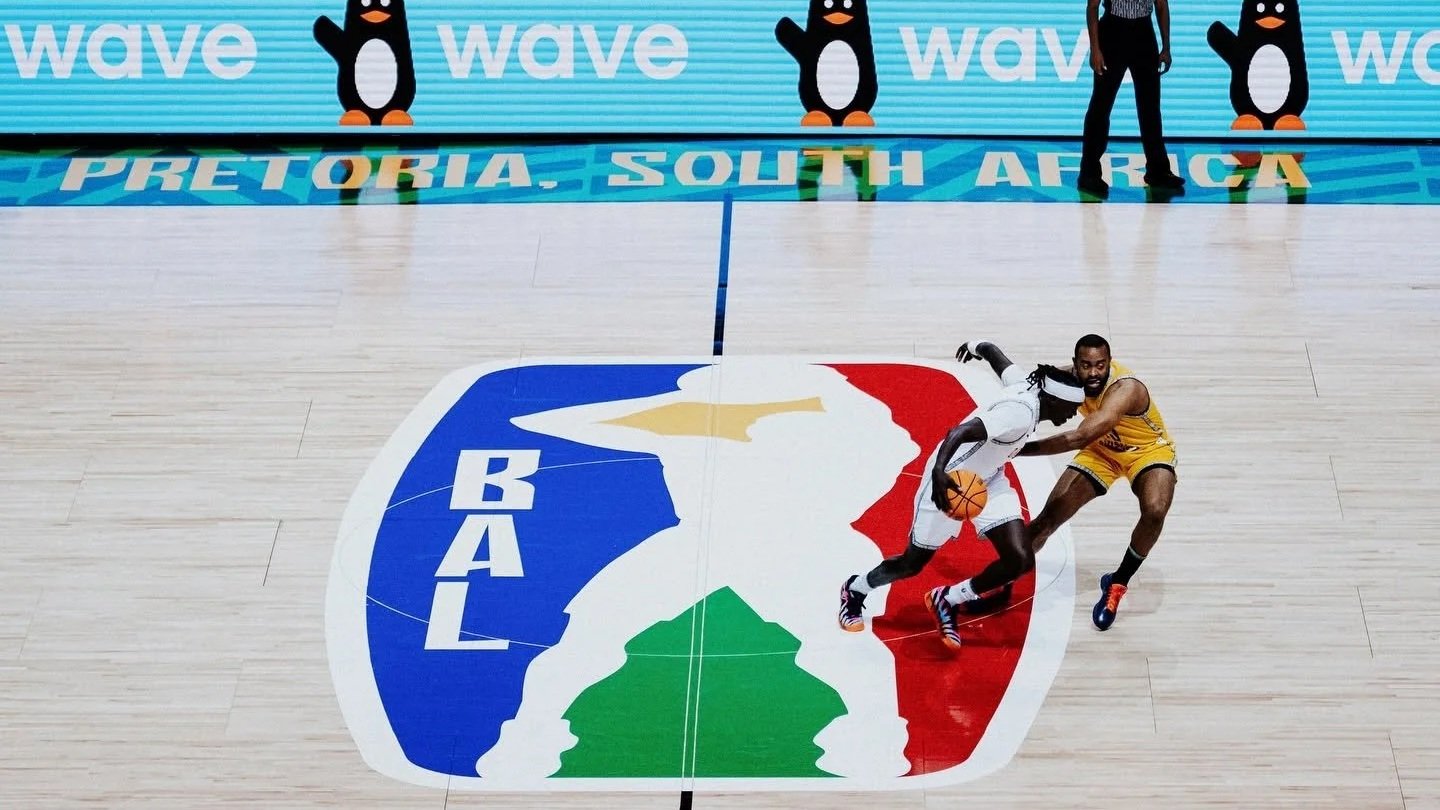
The closure was reported by Reuters on Wednesday, citing current and former officials. In a statement, the NBA said the move reflected a shift in its global basketball development strategy rather than a weaker commitment to the continent, pointing to the Basketball Africa League (BAL) and Basketball Without Borders as programmes that continue. Troy Justice, the league's senior vice-president, said the NBA was proud of the academy's impact and remained committed to developing African players. The direction was set in January. On January 22, the NBA and Abu Dhabi's Department of Culture and Tourism (DCT Abu Dhabi) announced a long-term renewal of their partnership covering preseason games, expanded marketing and sponsorship, and the launch of an NBA Global Academy to serve as the hub of the league's academy network. That announcement did not say Senegal would close. Nine months later, it has.
Senegal had survived the first round of cuts
In July 2025, the league shut its Global Academy in Canberra and its Latin America academy in San Luis Potosí, Mexico, while keeping the Africa site open. NBA Academy Africa launched in May 2017 in Thiès with the Senegal-based SEED Project, before moving in 2018 to a purpose-built facility in Saly with two indoor courts, a weight room, dormitories and classrooms. Approximately 110 students passed through it doors. Its alumni include Cameroon's Ulrich Chomche, drafted by the Toronto Raptors in 2024 as the first player selected directly out of the academy, and South Sudan's Khaman Maluach, a 2025 lottery pick now with the Phoenix Suns.
Michael Abbott, who led the academy's education programme, told Reuters the league appeared more invested in "the business model" than in the development of students as young people. On LinkedIn, he was more reflective. "Over a 10 year period we built something special," Abbott wrote, describing alumni who went on to become "NCAA D1 athletes, an NBA lottery pick, an NCAA tournament champion, a G League stand out, and the first African player drafted directly from the continent."
In a follow-up post, he said: "I was not aware that the National Basketball Association (NBA) had not made a formal announcement and can't speak for why they haven't." Recalling the academy's opening, attended by Adam Silver, Mark Tatum, Amadou Gallo Fall and Masai Ujiri, he added: "Many dreams and promises were shared on this day, many were fulfilled, some have yet to be realized."
DCT Abu Dhabi
The NBA's academy network is being consolidated in Abu Dhabi, where the league already has a long-term commercial relationship with DCT Abu Dhabi covering games, sponsorship and marketing. The new global academy places elite development inside a market where the NBA already has an established commercial partner. The cost lands on African prospects. A teenager from Bamako or Juba no longer competes for a place at an academy built specifically for the continent. He now competes for a global roster in the Gulf, with visa, relocation and cultural barriers that did not exit in the same way when the development was based in Senegal. The academic support Abbott ran, which helped players become eligible for US colleges, was also a core part of the academy's value.
The NBA's African business, meanwhile, carries on. The BAL remains a commercial product with sponsors and broadcast partners, and NBA Africa continues to court investors. What has gone is the league's residential, year-round development model for teenagers aged 14 to 18. Abbott's question is whether anyone else will pay for it. "How can countries take responsibility for the promises and dreams yet to be realized?" he wrote.
In Senegal, the Youth Olympic Games run from October 31 to November 13 across Dakar, Diamniadio and Saly, the town the academy called home. African governments have shown they will fund venues to host major events. Funding the pathway that feeds those venues has been a far rarer commitment, and the NBA has now handed more of that responsibility back to them.