Formula 1 returns to Africa as Rwanda signs decade-long Grand Prix deal
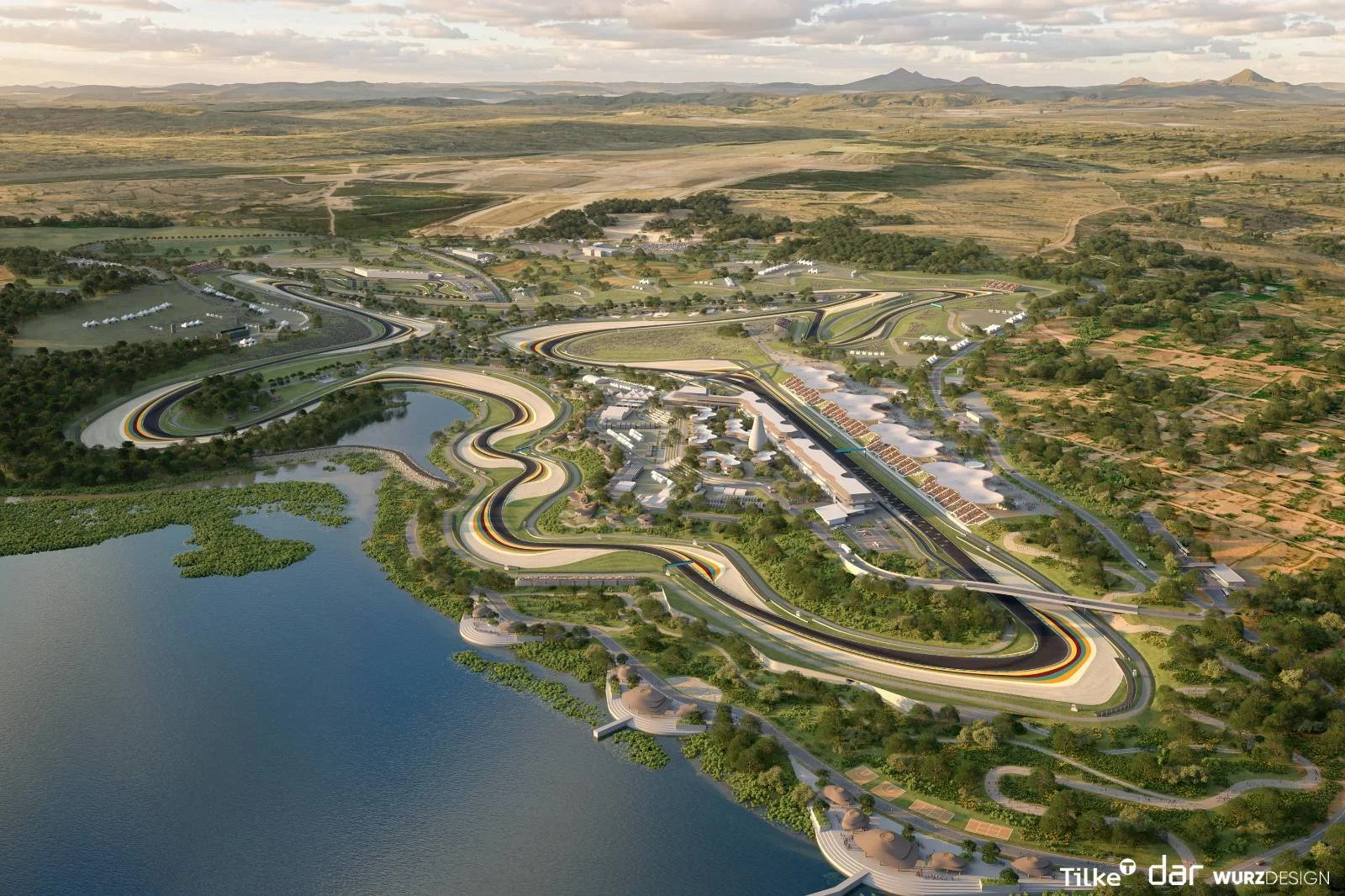
Image courtesy Formula 1
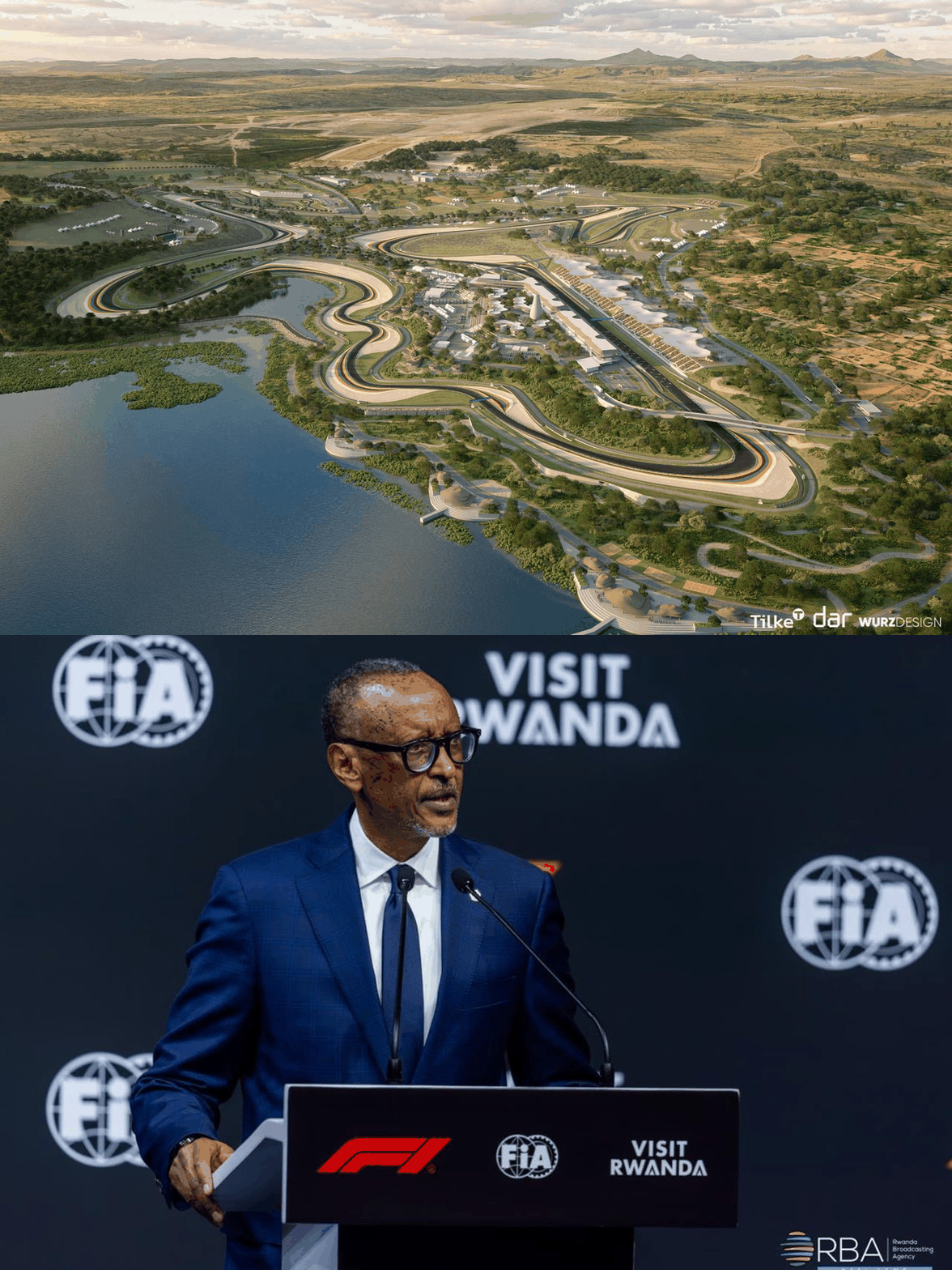
Formula 1 has signed a 10-year agreement to race in Rwanda, returning the world championship to Africa for the first time since 1993 and giving Kigali a long-term foothold on the calendar as bids from South Africa and Nigeria remain in development. The Formula 1 African Grand Prix, presented by Visit Rwanda, will run at a purpose-built circuit in Bugesera once construction is finished, which the parties expect early in the next decade.
A purpose-built circuit at Bugesera
The track will be built to FIA Grade 1 standard, the licence level required to host Formula 1, as part of a wider sports, tourism, infrastructure and commercial development led by the Rwanda Development Board (RDB). F1 puts the site about 40km south of Kigali, next to the country’s new international airport, with a layout that uses the area’s elevation changes. Between race weekends the venue is meant to host other motorsport, major events, conferences and entertainment. No inaugural date, construction milestones or circuit designer were named; F1 said those would follow. Former F1 driver Alexander Wurz’s and his design company have been involved in the project, alongside circuit engineering firm Tilke. The companies had already been working on the project with the government and local representatives for more than a year when Rwanda formally launched its bid.
Formula 1 is also making the case for Africa's commercial potential, the championship says more than 100 million fans already follow the sport across the continent, with almost 60% of fans in key Sub-Saharan African markets under the age of 35.
What the parties said
“For more than three decades, the world’s premier motorsport championship has raced without this continent, and that changes with this agreement,”
“The circuit in Bugesera, alongside the new international airport, will bring jobs, skills, tourism and new business to our country and our region for decades to come, because our aim was never a single race weekend, but a lasting benefit for our people.”
Stefano Domenicali, President and CEO of Formula 1, said: “With Rwanda joining the calendar from the next decade, our sport will race in every inhabited continent... Africa has always been part of Formula 1’s future, and from the beginning we were determined to return in the right way, with the right partner, a long-term commitment and a clear vision for creating meaningful impact.”
FIA President Mohammed Ben Sulayem said: “Rwanda has demonstrated a strong commitment to delivering a world-class event, and the FIA will work closely with FOM and our partners as this new circuit is developed to the highest international standards.”
From a 2029 target to the early 2030s
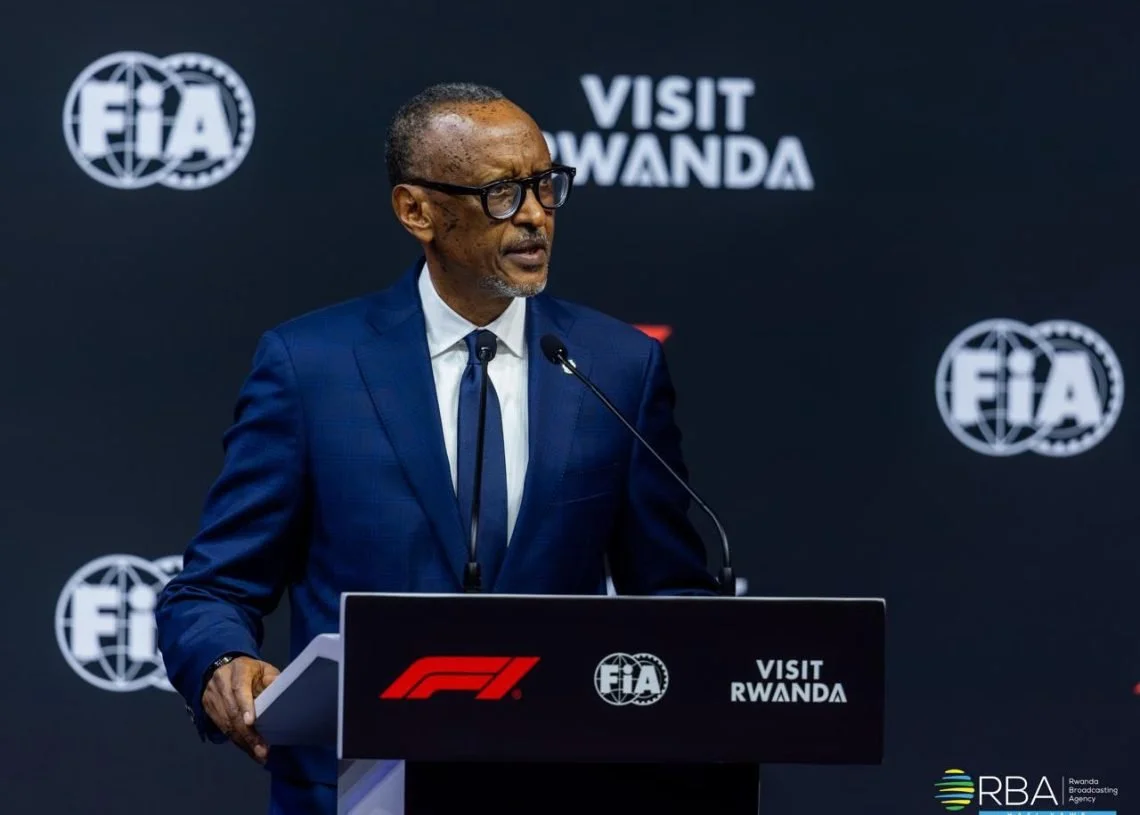
President, Paul Kagame of Rwanda | Image by Rwanda Broadcasting Agency
Kagame formally announced Rwanda's bid in December 2024, using the opening of the FIA General Assembly and prize-giving ceremony in Kigali to make the case for bringing Formula 1 to the country. Rwanda has since continued to build its international events portfolio, which includes the 2023 FIFA Congress, the Basketball Africa League and the 2025 UCI Road World Championships.
BOSA reported last December that RDB chief executive Jean-Guy K. Afrika had said discussions were ongoing for a Formula 1 race in Rwanda in 2029. At the time, the proposed airport development was also being considered as a potential venue for Formula 2 and Formula 3. The wider plan centred on developing a new urban area around the airport, with the circuit forming part of that development. The airport remains central to the broader investment proposition, but the original 2029 target has given way to a commitment tied to the circuit's completion. The agreement establishes a 10-year partnership without setting a firm inaugural date. Delivery will depend on the construction of a circuit that has yet to be completed.
The airport behind the race
The airport is central to the wider investment, Bugesera International Airport is expected to cost about $2 billion, with completion pushed back to 2028 from 2026, and Qatar Airways agreed to take a 60% stake in the project. The IMF has warned that its cost will intensify Rwanda’s debt service pressures. A grand prix gives that airport a headline anchor event, and gives the RDB’s surrounding development a reason for international visitors to travel to Rwanda.
The “presented by Visit Rwanda” billing also places the country's tourism brand at the centre of the agreement. The brand has spent years building its international profile through partnerships with European football clubs, including Arsenal and Paris Saint-Germain. A Formula 1 association would extend that strategy into a global motorsport property.
The economic impact rests on the potential to attract visitors, business activity and investment, rather than ticket sales alone. For Rwanda, the grand prix could become a demand driver for infrastructure and tourism assets that are already central to its development plans. The scale of those returns, however, will depend on the cost of hosting the race and the additional economic activity it generates.
Why Rwanda is well positioned, and what could slip
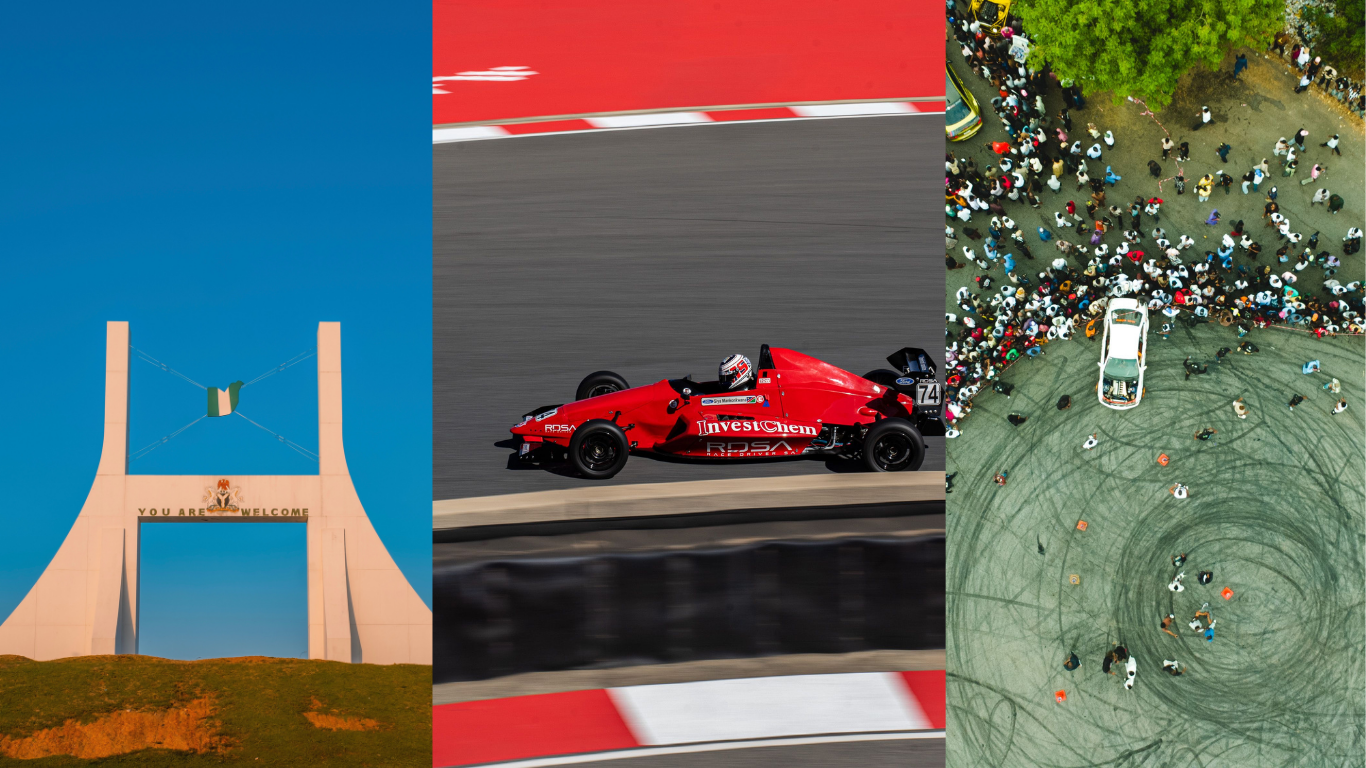
Rwanda's bid brings together the presidency, the Rwanda Development Board and the Visit Rwanda tourism brand under a single national project. That structure gives Formula 1 a clear government counterpart, while the proposed circuit forms part of a wider infrastructure and tourism development plan. South Africa remains interested in returning to the calendar, with the government-backed Kyalami proposal and the privately financed Swartland project near Cape Town among the reported contenders. Nigeria has also been linked to a proposed race in Abuja, although the status and financing of that project require further scrutiny.
Rwanda's agreement gives it a significant advantage over competing proposals. It has secured a long-term commitment from Formula 1, backed by a national development agency and a tourism brand with an established international sports-marketing presence. Rival bids must now make their case against a project that has moved from negotiations to a formal agreement.
Two risks remain
First, the circuit has yet to be built, and the absence of a firm race date leaves room for delays. The airport's own timetable has already shifted, illustrating the delivery challenges associated with large infrastructure projects.
Second, the agreement will bring further scrutiny of Rwanda's use of sport as a tool of international positioning. Human rights organisations have accused the government of restricting political opposition and silencing critics, allegations the government disputes. The country's sports partnerships therefore carry reputational considerations alongside their commercial ambitions.
For South Africa and Nigeria, the calendar race is far from over. But Rwanda now has the advantage of a long-term agreement with Formula 1, and rival bids will have to compete with a project backed by the government, a national tourism brand and a wider infrastructure plan. Whether that commitment translates into a race in the early 2030s will depend on construction, financing and delivery.
More on F1 in Africa