
Morocco football chief Lekjaa takes finance ministerial role
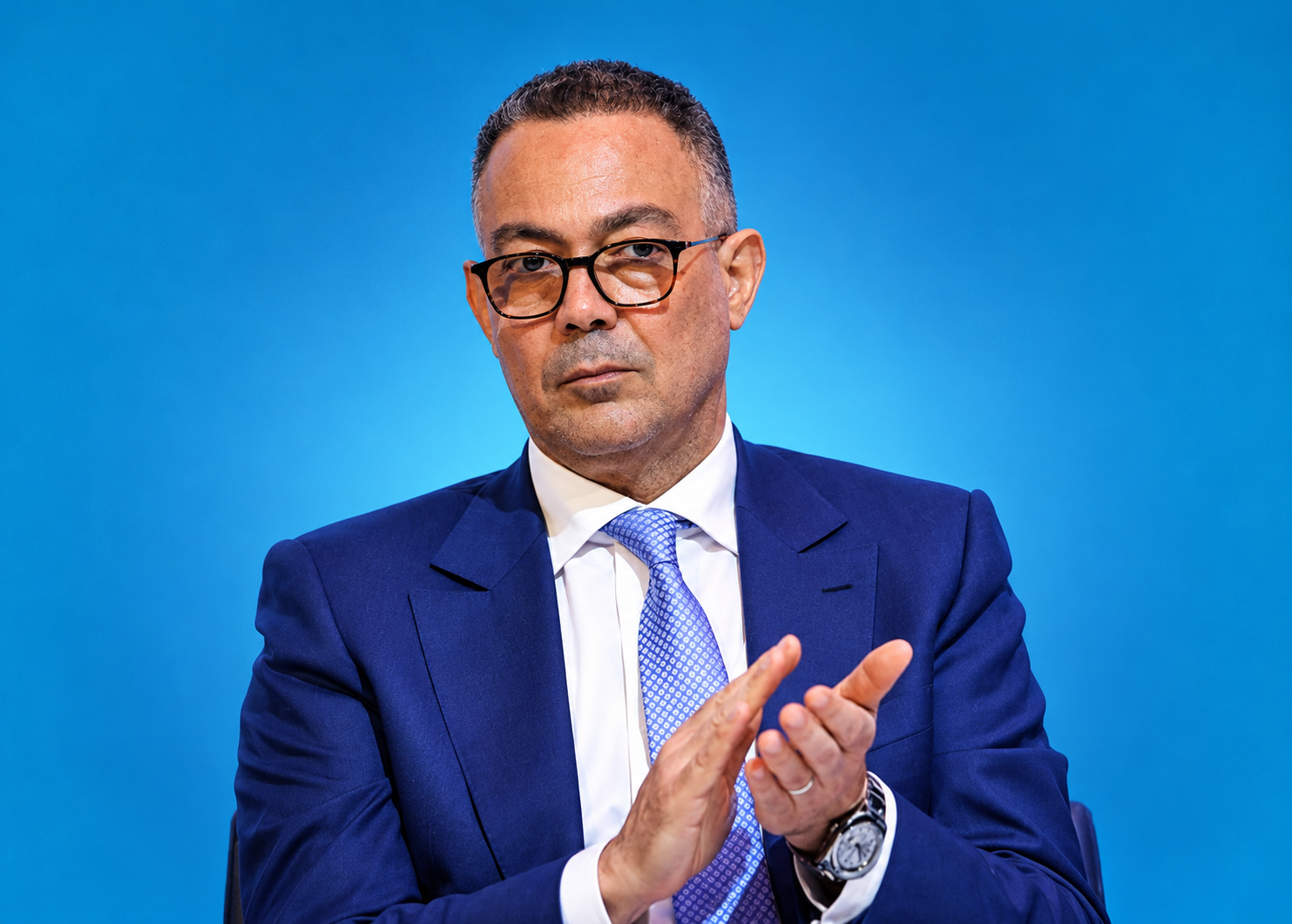
Fouzi Lekjaa | Image by Morocco World News
Fouzi Lekjaa, president of the Royal Moroccan Football Federation (FRMF), has been appointed Morocco’s Minister of Economy, Finance and Public Performance. King Mohammed VI made the appointment on Friday as part of a 32-member government led by Fatima Ezzahra El Mansouri of the Authenticity and Modernity Party (PAM), formed after the September 23 parliamentary elections. Lekjaa, a PAM member, took over the ministry from Nadia Fettah at a handover ceremony on Saturday.
According to Goal.com, citing Moroccan journalist Izem Anass, Lekjaa will remain president of the FRMF alongside his government role. The report rests on that journalist’s account rather than a published federation statement. Lekjaa had served as Minister Delegate in charge of the Budget since October 2021, having joined the finance ministry as a financial inspector in 1997.
His football portfolio extends well beyond Morocco
He is first vice-president of the Confederation of African Football (CAF), chairs its finance committee and is vice-chair of the committee that organises CAF’s club competitions and runs the club licensing system. He also sits on the FIFA Council, to which he was first elected in 2021. Morocco co-hosts the 2030 World Cup with Spain and Portugal, and the new government will oversee the closing phase of a roughly $20 billion preparation programme. The biggest open question is the final. Morocco is pushing for the Grand Stade Hassan II, a planned 115,000-seat stadium under construction in Benslimane near Casablanca. Spain is backing the Santiago Bernabéu, with Camp Nou also in contention. FIFA has not named a venue and has said only that it will decide in due course; Spanish media reports suggest the call may not come until 2028.
A bigger reach
Lekjaa has run public finance and football side by side for years, so the dual role is an extension rather than a departure. As budget minister he worked within the finance ministry; he now leads it, with authority over the funding behind the stadiums, transport and hospitality projects tied to 2030. For FIFA, CAF and commercial partners, Morocco now has one counterpart who can speak for both the football and the public money, which strengthens the case for Benslimane: a finance minister can stand behind construction timelines and funding commitments in a way a federation president alone cannot. The arrangement will also bring closer attention to how the two roles are kept separate, particularly where federation priorities and state spending overlap.
