How Africa's Richest Man Almost Purchased Arsenal Football Club
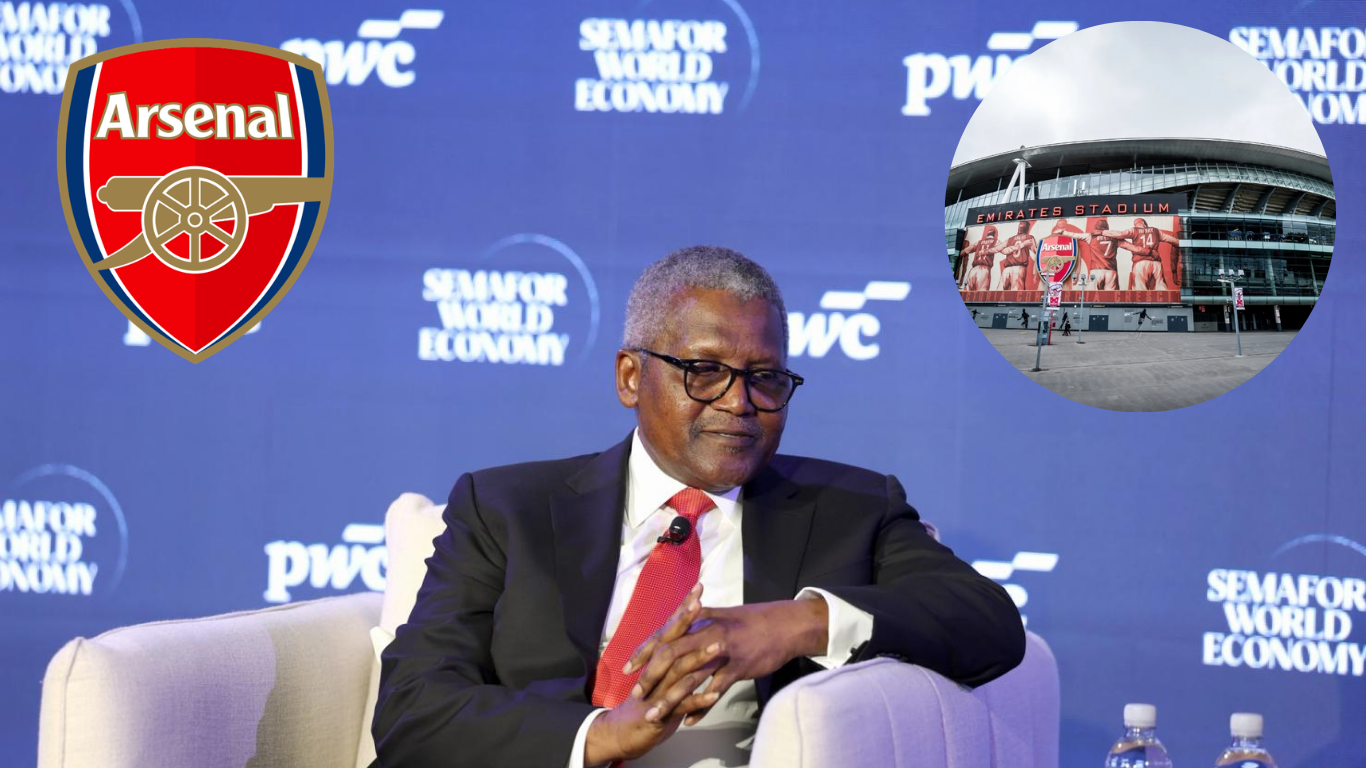
Aliko Dangote | Tasos Katopodis/Getty Images
For over fifteen years, Aliko Dangote dangled one of football's most tantalising what-ifs. Africa's richest man, a lifelong Arsenal supporter since the 1980s and worth an estimated $36.7 billion according to Bloomberg - repeatedly, publicly, and almost defiantly declared his intention to buy the North London club. Then, last month, he finally explained why it never happened. In that explanation, lies a story that tells us as much about African ambition, capital allocation, and the future of the continent's presence in global sport as it does about one man's love for a football club.
The Timeline of a Near-Miss
Dangote was first connected to a possible minority stake purchase in Arsenal in 2010, when reports linked him to a potential buy-in through then-director Lady Nina Bracewell-Smith's shareholding. From there, the flirtation never quite died. In 2015, he told BBC Africa Sport that he intended to launch a full takeover bid for the club once his refinery project began generating sufficient returns.
Five years later, the drumbeat continued. In an appearance on the David Rubenstein Show, Dangote said:
“It is a team that yes I would like to buy some day... I'm not buying Arsenal right now, I'm buying Arsenal when I finish all these projects, because I'm trying to take the company to the next level.” Despite the long-running speculation, no formal bid was ever submitted.
Why He Walked Away
The answer, when it finally came, was brutally rational. Speaking on a podcast with Nicolai Tangen, CEO of Norges Bank Investment Management, Dangote revealed that Arsenal was valued at around $2 billion at the time he was most seriously considering a takeover, but he chose to redirect that capital into his industrial empire.
“At that time, Arsenal was worth just about $2 billion. Should I put my $2 billion in Arsenal and now allow the business to suffer? Or should I complete the business?”
The business he chose instead was the $20 billion Dangote Refinery in Lagos, now the largest single-train oil refinery on the planet. The numbers vindicate the decision. By 2025, the 650,000-barrel-per-day facility was producing 45 million litres of petrol and 25 million litres of diesel daily, exceeding local demand, turning Nigeria from a country that once imported nearly all its refined products into one that now exports a surplus. Projections suggest the refinery could push Nigeria's real GDP growth from 4.15 percent in 2024 to 6.21 percent by 2030.
Against that backdrop, the football club was never really a competition.
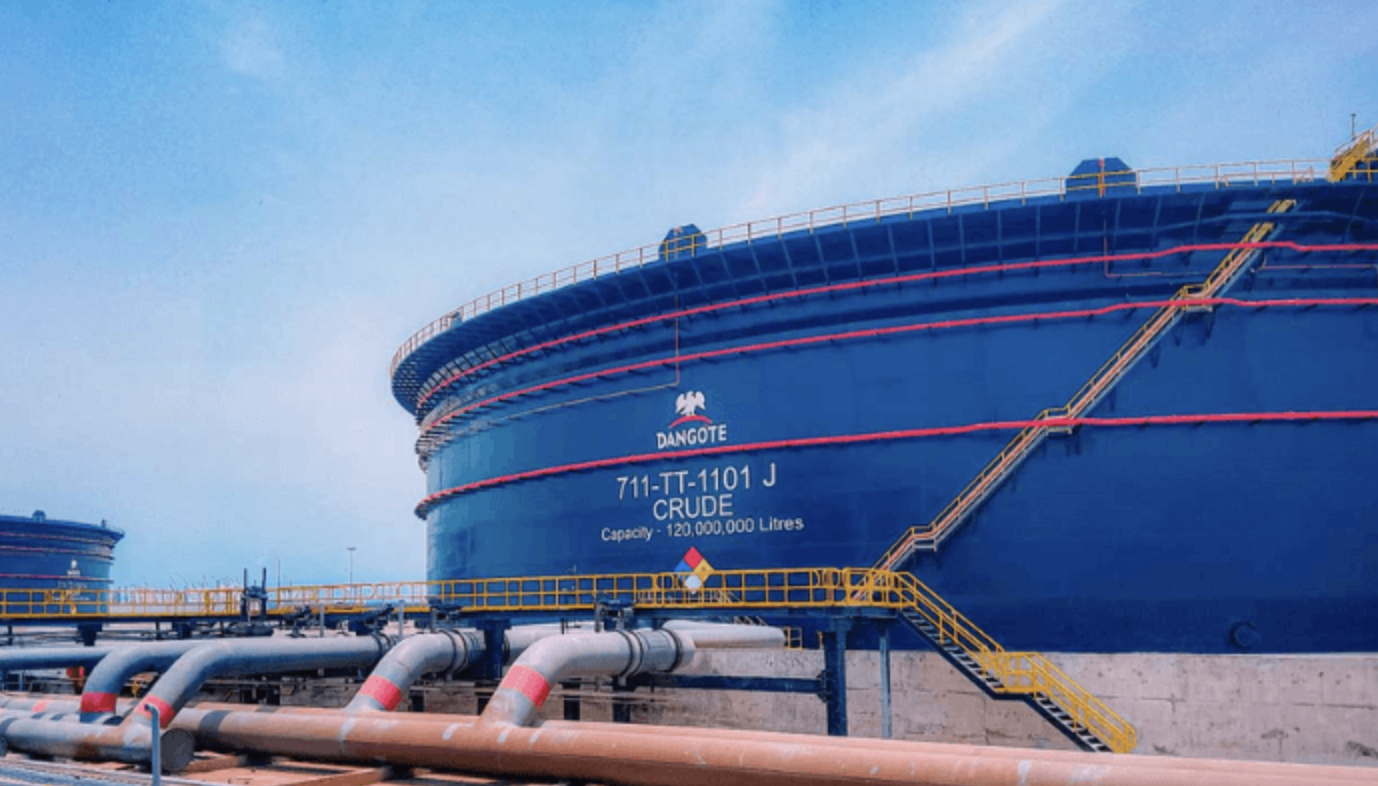
Dangote Refinery in Lagos, Nigeria
What It Would Have Meant
The business logic of what didn't happen is only half the story. The other half is everything a Dangote-owned Arsenal would have represented - for Africa's presence in global sport, for Nigerian soft power, and for what we at BOSA track every day: the commercial architecture of sport on this continent.
Arsenal today is not the club it was in 2015. The Gunners were recently crowned Premier League champions for the first time in 22 years - and on May 30th, they step out in the Champions League final, chasing the one trophy that would complete one of English football's most remarkable modern resurrections.

Arsenal were crowned Premier League champions for the first time in 22 years, claiming the 2025/26 title | Image via Arsenal FC
The 2024/25 fiscal year marked a watershed moment in the club's financial history, with a club-record total revenue of £691 million, eradicating its historic structural deficits. The club generated $772 million in revenue in the 2023/24 season, split across matchday, commercial, and broadcasting income. A Dangote purchase at $2 billion, had it materialised a decade ago, would now be sitting on an asset worth multiples of that figure.
The fan base to justify it already exists. Data from DailyAFC shows that Nigeria is Arsenal's single largest audience, accounting for 23.3% of all likes and 23.6% of new followers over a three-month period - ahead of the United Kingdom, which came in second at 18.9% and 17.3% respectively. When all African countries are combined, the continent accounts for nearly 45% of total engagement. In countries like Kenya, Nigeria, Ethiopia, and Rwanda, Arsenal's popularity has grown beyond football results, it has become part of popular culture, with supporters' clubs formed across the continent and political figures openly declaring their love for the club.
More importantly, it would have given Africa its first owner of a genuine European football superpower - at a time when the Gulf states were writing the playbook on what that kind of ownership means. The Emirates and Qatar raised their global profiles by investing massively in European football, with Abu Dhabi constructing a world network of clubs pivoting on Manchester City, and Dubai gifting Arsenal itself a grand new stadium through sponsorship. Saudi Arabia followed. The Middle East understood early what England's Premier League represents: the nation's most successful sporting export and one of the most potent soft power assets in existence.
An African billionaire owning Arsenal would have flipped that script entirely, not merely participating in European football's commercial ecosystem, but sitting at the head of it.
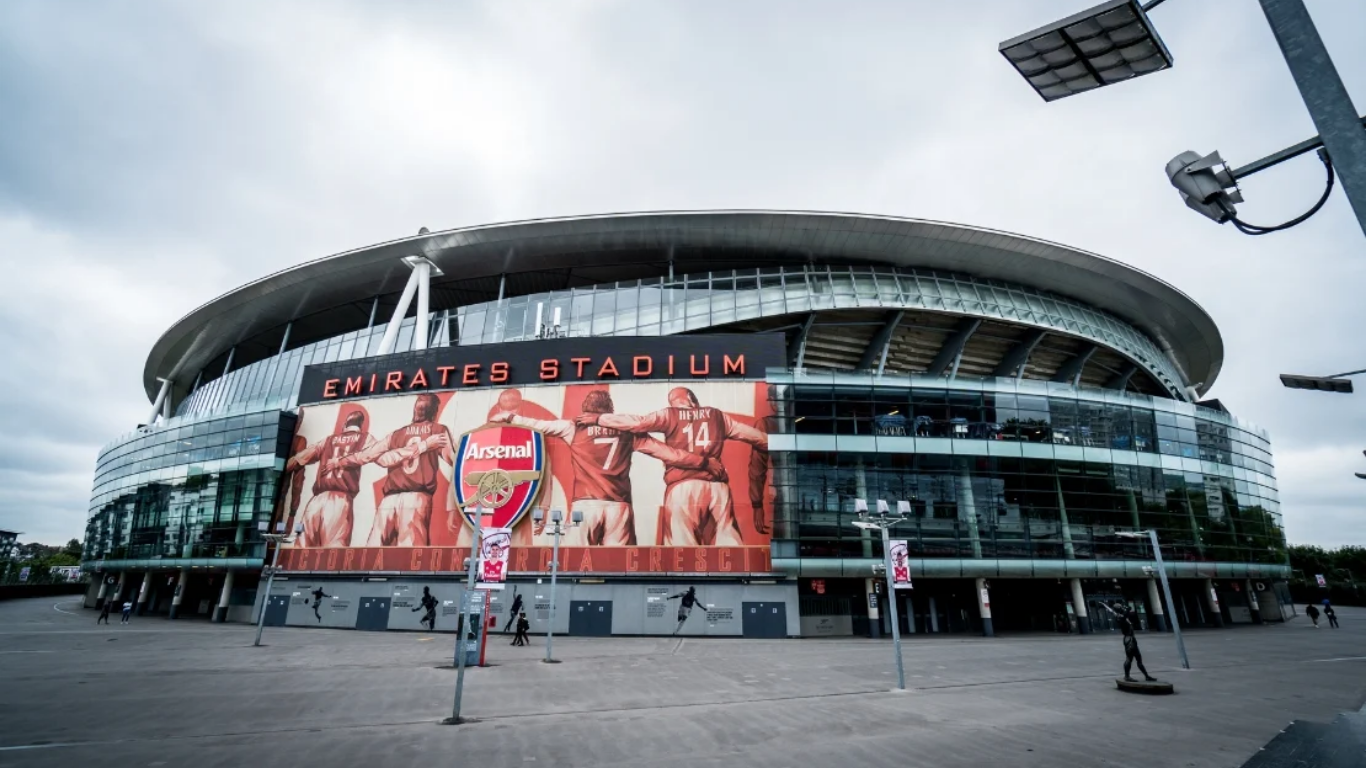
Emirates Stadium, London, England | Getty Images
The Dangote Doctrine
What makes this story particularly compelling for African sports business is the underlying philosophy it reveals. Dangote didn't walk away from Arsenal because he couldn't afford it, or because the deal fell apart. He walked away because he applied to football the same capital discipline that built his empire in the first place: infrastructure first, prestige second.
He had even mapped out his early plans for the club - declaring he would change the manager, telling Bloomberg: "He [Arséne Wenger] has done a good job, but someone else should also try his luck." Dangote wasn't a passive admirer. He was someone who had done the thinking and simply chose the refinery.
For African investors in sport, the question is rarely about capability - it is about priority. Do you buy the trophy asset that puts you on the global map, or do you build the infrastructure that puts your country on the economic map? Dangote answered that question with a refinery. And Africa, arguably, is better for it.
The sport business ecosystem on the continent is still waiting for someone to make the other call - to plant an African flag at the top of global football, not just as a talent exporter, but as an owner, a powerbroker and a decision-maker. And yet, that ambition cuts both ways. Africa is equally waiting for its billionaire class to turn their gaze inward - to invest in the stadiums, academies, leagues, and clubs that exist right here on the continent. The same capital that could have bought Arsenal could fund a generation of infrastructure across African football. The soft power argument works at home too. Perhaps the most consequential move an African billionaire could make in sport isn't buying into the Premier League - it's building something in Lagos, Nairobi or Accra that the world eventually comes to watch.
The Window Has Closed, But the Question Remains
Dangote himself acknowledged that Arsenal's current valuation has made any future acquisition significantly less viable. The moment, as he saw it, has passed. However, the logic of what he nearly did, and what it could have unlocked commercially, diplomatically, and symbolically - has not.
The Gulf states rewrote the rules of football ownership by treating clubs as sovereign assets, brand platforms, and economic levers all at once. The question for African sport business is no longer whether an African can afford a top European club. Dangote proved the capital exists. The question is whether the next generation of African wealth will prioritise the visibility and whether the continent's growing commercial sports infrastructure will be ready to amplify it when they do.