Image by FIFA
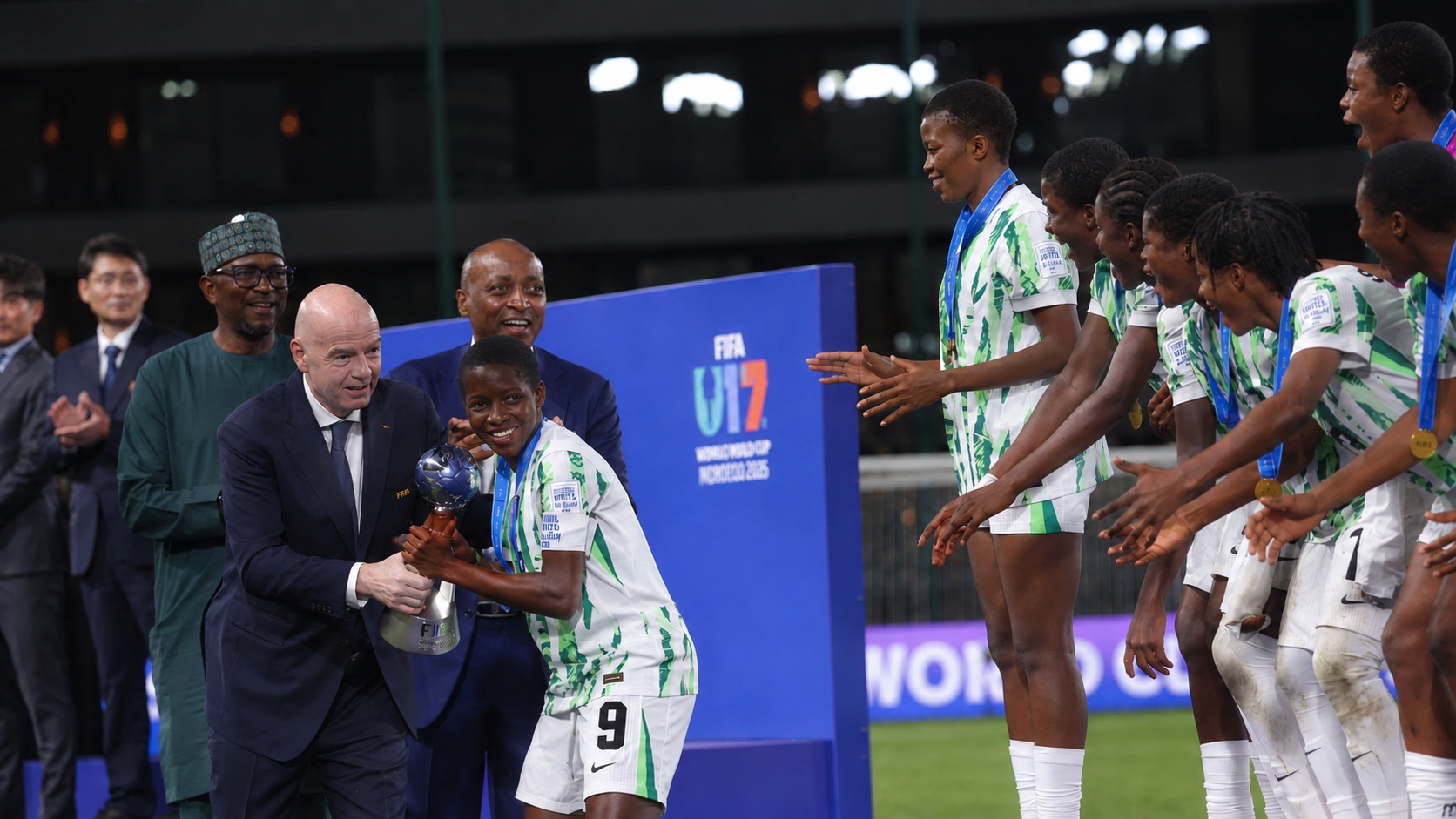
Nigeria’s Flamingos won the 2026 FIFA U-17 Women’s World Cup without any prize money from FIFA, which does not pay cash prizes at its youth tournaments. Nigeria’s President, Bola Tinubu, has filled the gap in an unusual way: he has approved N100 million (approximately $74,000) for each player, to be held in savings bonds until they are adults. That raises a question: should FIFA give youth champions a prize built on the same idea?
Nigeria’s reward package
The package was announced on Wednesday at a presidential reception, where First Lady Senator Oluremi Tinubu represented the President. Head coach Akeem Busari receives N100 million in cash, and each member of the technical crew gets N50 million (approximately $37,000).
Shehu Dikko, Chairman of the National Sports Commission (NSC), said each player’s money will go into an FGN savings bond for about five years, paying annual interest of between 12 and 14 per cent. By his calculation, each player will earn more than N1.1 million (approximately $800) a month, enough to cover education and training, and keep the N100 million when the bond matures.
“There is no need to flood them with money that can distort their careers,”
On the night of the final in Rabat, NSC sponsor Alhaji Saleh Ahmadu also gave the squad a $50,000 cash gift. The title makes Nigeria the first African country to win the U-17 World Cup in both the men’s and women’s events.
What FIFA pays for instead
FIFA treats its U-17 and U-20 world championships as developmental competitions. Instead of prize money, it pays flights and hotels for delegations of up to 29 people, while federations pay for insurance and any extra staff. Even the Golden Ball, won by forward Oluebube Umejiaku, carries no cash.
Paying large sums to 16-year-olds raises real questions about who controls the money, and Nigeria’s NSC has made the same argument. But “developmental” could also describe how a prize is used, not only a reason to give no prize at all.
How a development prize could work
FIFA could pay development prizes based on where teams finish, for example $200,000 for the winners, $100,000 for the runners-up and $50,000 for third place. Each federation’s prize would be divided into two funds that can only be used for set purposes:
Grassroots: academies, coaching, kit and pitches
Player trust: a fund held for each squad member until they turn 18, or tied to education and training
Nigeria’s savings bonds show the player trust working in practice. It matters most for players who don’t make it. Not every youth international goes on to a professional career, and injury or a lack of opportunities can end that path early. Money that pays for school, university or vocational training gives those players something to build on, whatever happens in football.
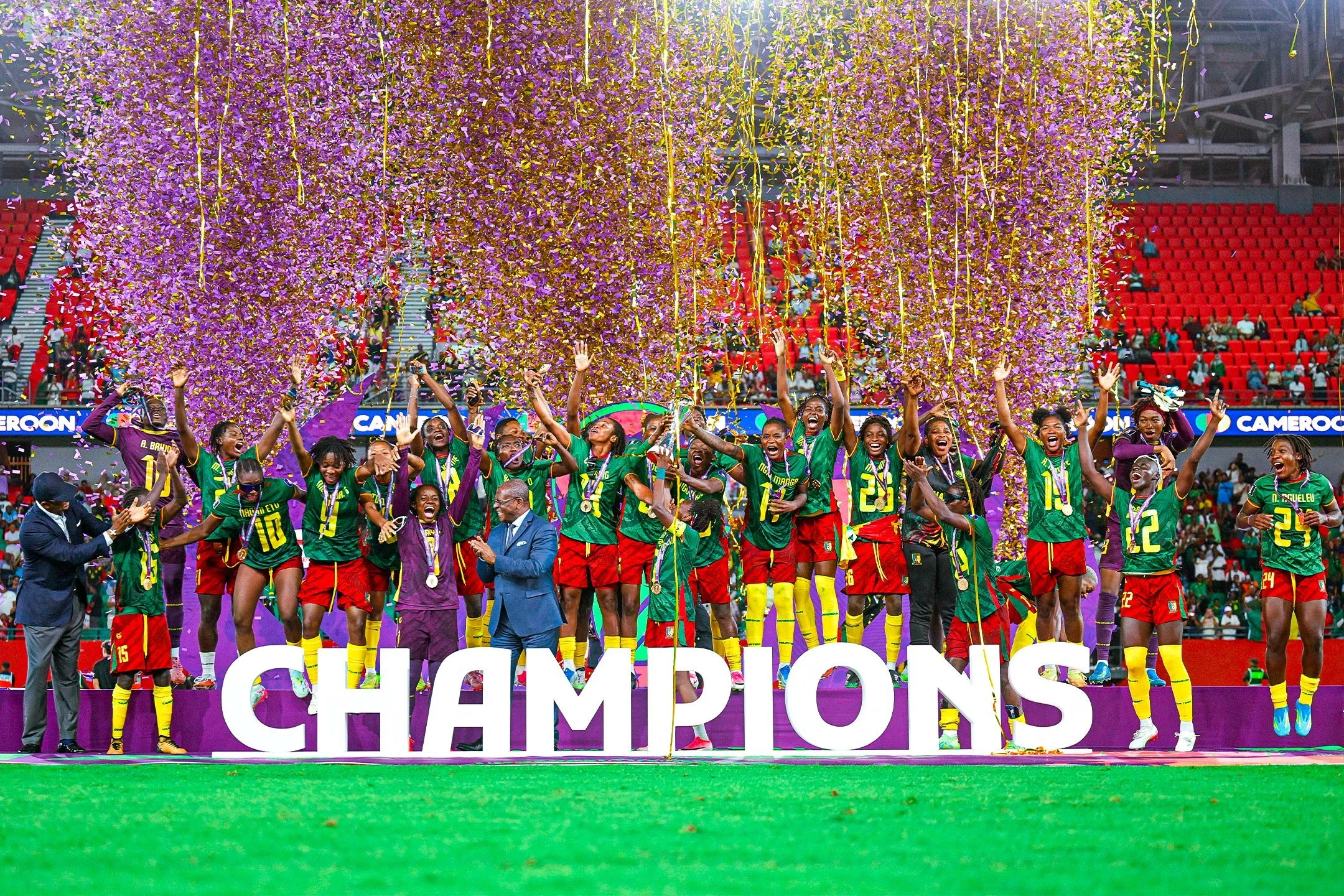
Image by CAF
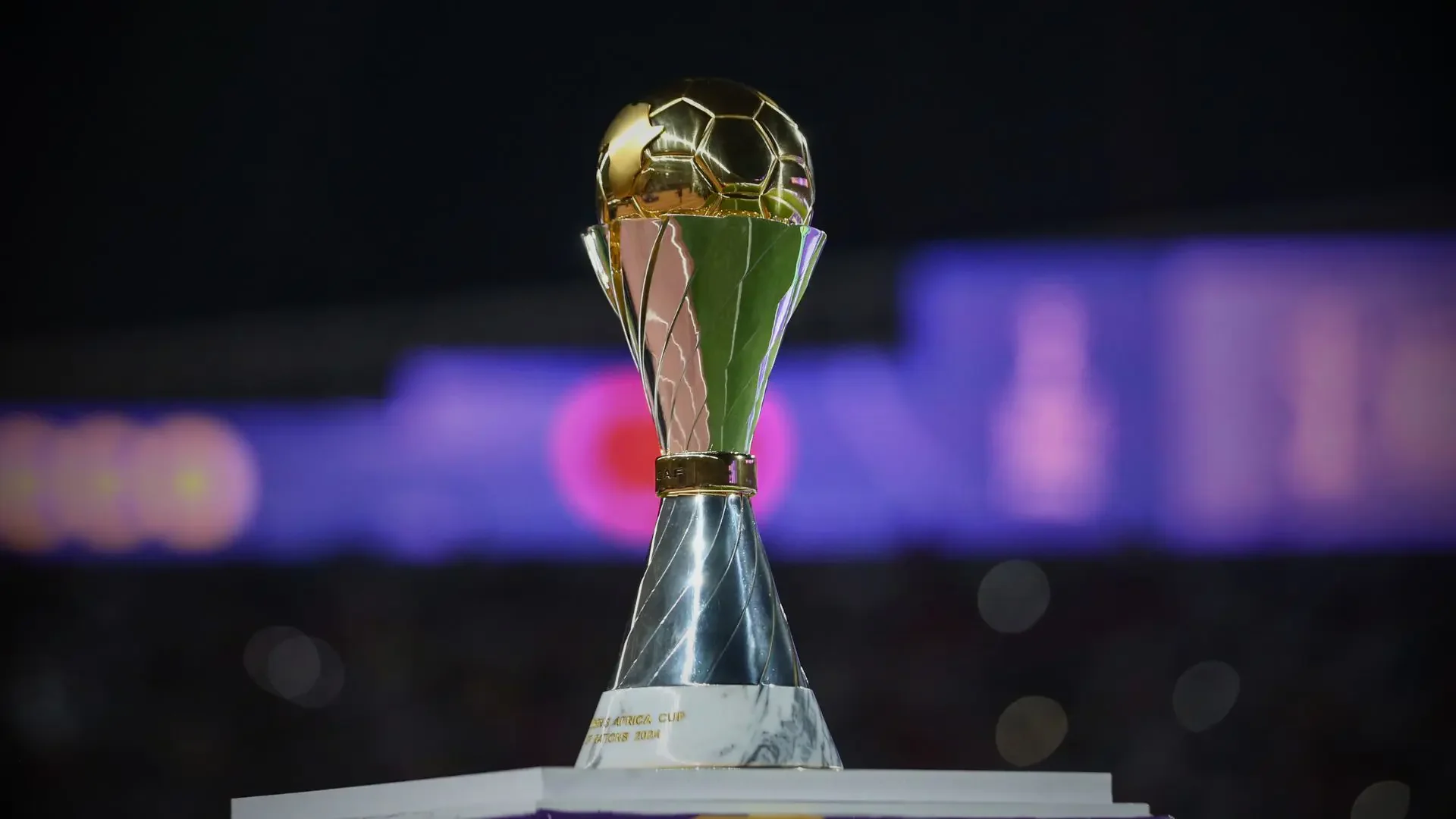
A prize on this scale would be modest even by African standards. At this year’s Women’s Africa Cup of Nations, CAF paid Cameroon $2 million for winning the title, and each of the 16 teams received at least $150,000 just for taking part. There is also a small precedent at youth level: at the 2017 U-17 World Cup in India, the Fair Play award came with a $10,000 voucher for football equipment, to be used for youth development. It is not clear whether the award still includes the voucher today.
FIFA would need to check how federations spend the grassroots money, as it already does with its development funding. The player trust could avoid federations altogether: FIFA would hold each player’s share, and players would apply to FIFA directly once they turn 18.
Why a FIFA prize would still matter
Nigeria’s package depends on the decision of the government in office, and few federations could match N100 million per player. A FIFA prize would give every youth World Cup team the same protection, whatever its government can afford, and would guarantee something before a tournament begins, not after it. Nigeria could also build the same structure with sponsors, giving its youth teams agreed terms in advance.
Nigeria has now shown what a youth reward built for the long term can look like. Whether the next youth champions get the same depends on whether FIFA builds it into the tournament.