Cameroon's WAFCON Win Comes With a $2m Prize, CAF's Biggest Ever
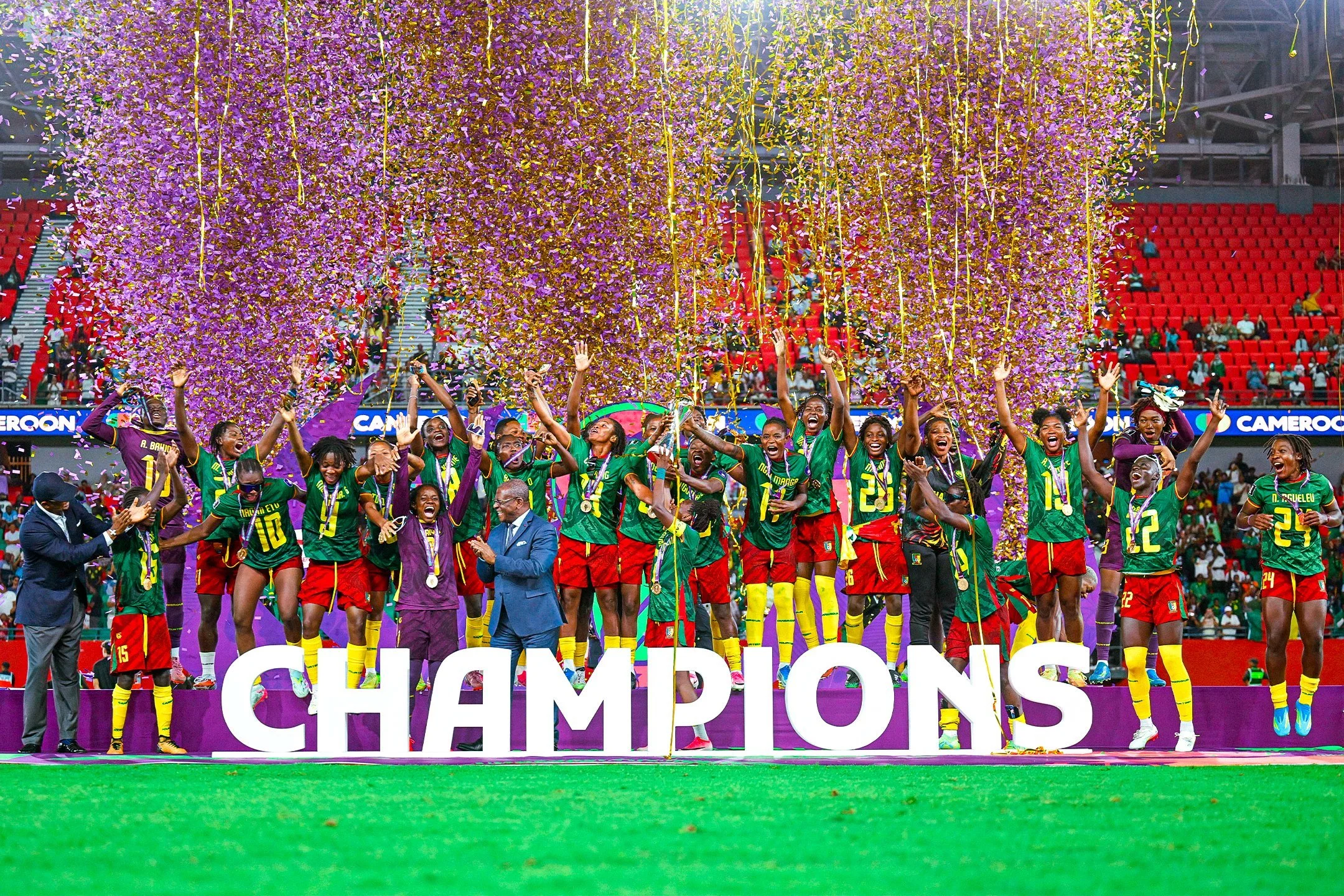
Image by CAF Online
Cameroon collected a $2 million winners' cheque after beating Malawi in Rabat to claim a maiden Women's Africa Cup of Nations title, the single biggest prize money in the competition's history and the clearest marker yet of how fast CAF has moved to reprice its flagship women's tournament. The champions' prize has doubled from $1 million at the last edition, itself a doubling from $500,000 the edition before that. CAF says the winners' purse has now risen 900 per cent since the current leadership took office, from $200,000 to $2 million. Malawi's runners-up finish is worth $750,000, a 50 per cent increase on the previous cycle. Algeria, who beat host nation Morocco on penalties in the third-place playoff, take home $550,000, up 43 per cent. Morocco finish fourth.
The overall prize fund climbed 67 per cent to $5.8 million, from $3.475 million, and every one of the tournament's 16 teams, a field expanded for the first time in WAFCON's history, was guaranteed $150,000 in participation funding, up from $125,000. CAF put the scale of the shift plainly in a statement:
“Since the current CAF leadership assumed office, the prize money of the winner has increased by 900 per cent from $200,000 to $2m and the total prize money has increased by 495 per cent from $975,000 to $5.8m.”
CAF has spent the past several years trying to convince sponsors and broadcasters that the women's game carries commercial weight independent of the men's tournament it shares a name with, and prize money is the bluntest instrument available for making that case. A $2 million top prize still trails the payouts on offer at UEFA's Women's Euros or the FIFA Women's World Cup, but it closes the gap with those competitions. The Indomitable Lionesses become only the fourth nation to lift the WAFCON trophy, after Nigeria, Equatorial Guinea and South Africa, breaking a duopoly that has made the competition a harder sell to sponsors looking for fresh storylines and new fan bases outside West Africa's established football markets. A first-time winner from Central Africa gives CAF and its Cameroonian federation counterpart a genuine new commercial narrative to build around, in a way that an eleventh Nigerian title would not have.
The federation payout structure also puts pressure back on national associations to reinvest rather than absorb the windfall centrally, a recurring friction point in African women's football where prize money has not always reached the players who earned it.
See the full breakdown of WAFCON prize money by edition here: WAFCON Prize Money Tracker.