Lupita Nyong’o Invests in Nairobi City Thunder as Kenyan Basketball Attracts New Capital
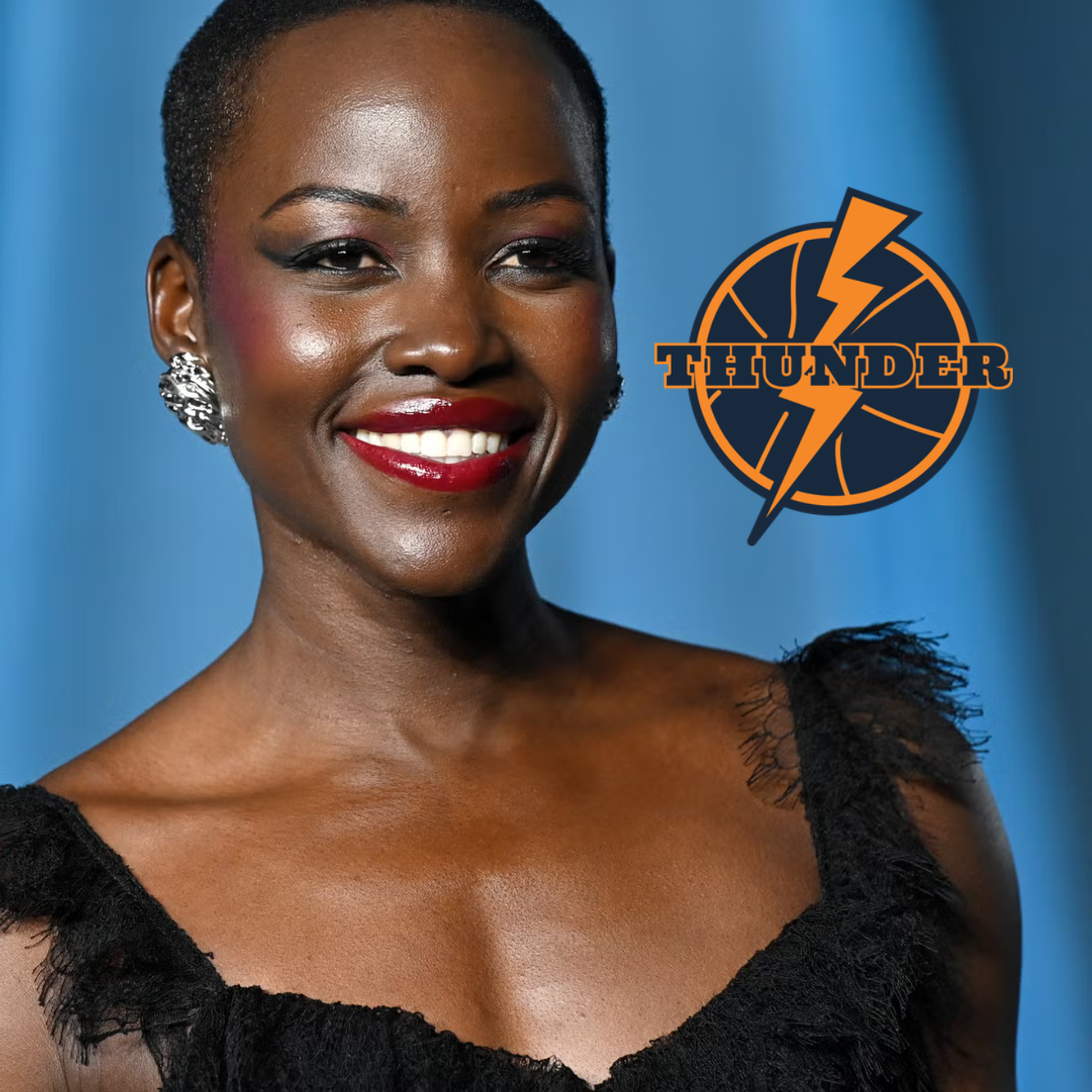
Image by Gilbert Flores
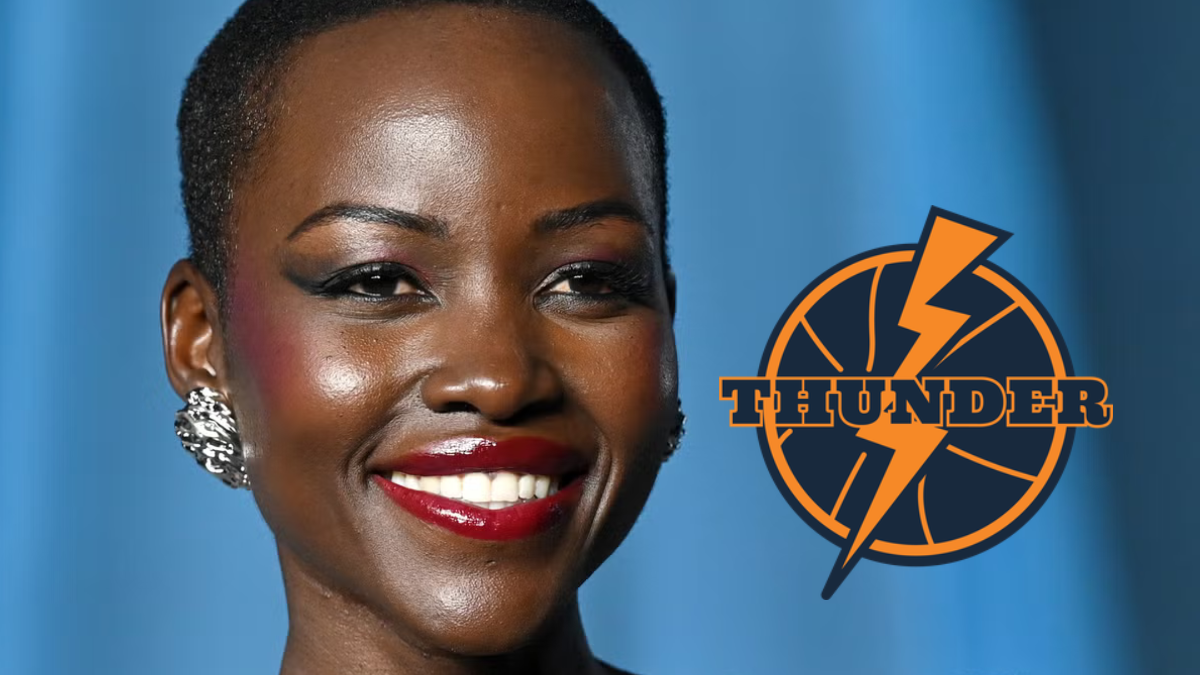
Oscar-winning actress Lupita Nyong’o has become an investor in Nairobi City Thunder, adding one of Kenya’s most internationally recognised figures to the ownership group of the basketball club.
Nyong’o announced the investment on September 24, posting a video of herself wearing Nairobi City Thunder merchandise and celebrating her new role with the club. “Taking a tunnel walk to celebrate that I’m an investor in the @nairobicity_thunder,” Nyong’o wrote. She also highlighted Thunder’s status as the first Kenyan team to qualify for the Basketball Africa League (BAL), adding that she was “pumped and proud” to be behind the club. The value and terms of Nyong’o’s investment have not been disclosed. Her arrival comes as Thunder prepares for another Kenya National Basketball League (KNBL) final while building on a three-year transformation under its current ownership.
Local team to professional sports business
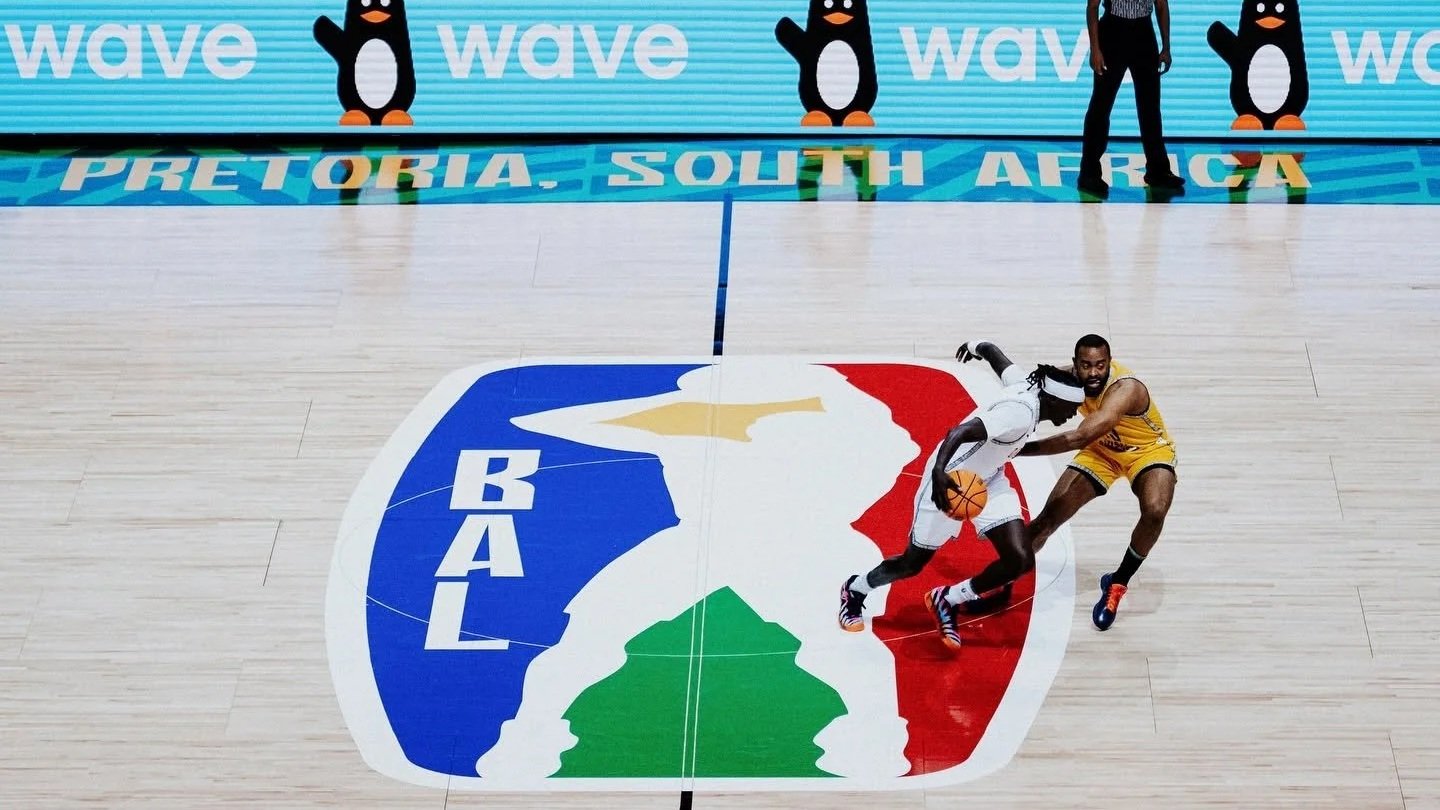
Nairobi City Thunder was acquired by Twende Sports Limited in 2023. The company was founded by Colin Rasmussen, Sandra Kimokoti, Kush Diriye and Stephen Domingo, who set out to build a sustainable professional sports business around the club. The club moved towards full-time professional players, recruited international talent and invested in coaching and player development. The strategy produced results quickly. Thunder won its first national championship in 2024 and retained the title in 2025. It also became the first Kenyan club to qualify for the BAL, reaching the continental competition for the first time in 2025. The club is preparing to face Kenya Ports Authority (KPA) in the 2026 KNBL Finals, which begin on September 26.
Celebrity capital
Nyong’o's investment adds a different dimension to Thunder's commercial story. Her involvement goes beyond the traditional celebrity endorsement model, placing a globally recognised Kenyan figure inside the club's ownership structure. That could create opportunities around brand partnerships, international content and the global visibility of Kenyan basketball. Nyong’o's career across film, fashion and entertainment also gives the club access to an audience well beyond its traditional sports market. The investment comes after Thunder has already demonstrated that there is a market for a professionally operated Kenyan basketball property. The club has attracted commercial partners, built a stronger fan following and established itself as Kenya's leading representative in the BAL. Its experience also provides a test case for whether professional management and private investment can create more valuable sports properties in African domestic markets.
A new venue?
Zaria Group, the Pan-African sports and entertainment company co-founded by Masai Ujiri, has partnered with Helios Sports & Entertainment Group on a proposed $294 million, 10,000-seat indoor arena and entertainment development at Nairobi Railway City. The project is designed to combine sport with hospitality, retail, entertainment and events. The arena has not yet been built and remains a proposed development. The club currently plays its home games at Nyayo Indoor Gymnasium, a venue with a listed capacity of around 2,500. If the proposed 10,000-seat arena becomes reality, it could give Nairobi basketball a substantially larger platform for ticketing, corporate hospitality, events and international competitions. However, Thunder is building its commercial profile without that infrastructure for now.
What Nyong’o's investment could mean
The financial terms have not been disclosed, and it is too early to assess the commercial impact of her involvement. What it does show is the growing range of people willing to put capital and reputation behind African sports properties. Thunder already has an ownership group with a clear professionalisation strategy. It now has an internationally recognised Kenyan investor joining that structure when the club is competing for another domestic title and has established itself in the BAL. The next phase is less about proving that Kenyan basketball can produce a competitive team. The bigger question is whether that sporting success can be converted into a larger, sustainable commercial business, particularly through stronger brand partnerships and international distribution.
Recommended for you